 Ομοιοπαθητική Βιβλιοθήκη
Belladonna
Hering - Οδηγώντα Συμπτώματα της Materia Medica μας · Constantine Hering · 125,376 χαρακτήρες
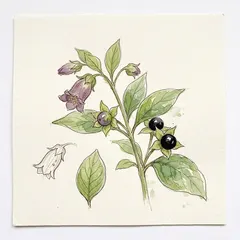 Όλα τα βιβλία για Belladonna →
Αντιδοτείται απόAceticum AcidumAconitum NapellusAngustura VeraAurum MetallicumBerberisCamphoraCitrus LimonumCoffea CrudaCoffea TostaColchicum Autumnale
Όλα τα βιβλία για Belladonna →
Αντιδοτείται απόAceticum AcidumAconitum NapellusAngustura VeraAurum MetallicumBerberisCamphoraCitrus LimonumCoffea CrudaCoffea TostaColchicum AutumnaleGeneral EN
Deadly Nightshade. Solanacece.
One of the first of all medicines Hahnemann experimented with, and the one which led him in 1800 to the discovery, greater than any other ever made in the domain of science, that the life altering influence of drugs and poisons is not like the chemical or physical, depending on the masses, but solely on the surface. This has now been mathematically proved and I we have a full right to laugh at the stupid stubborn who doubt it. In 1805, Fragm. de vin. med. posit, Hahnemann published of his own observa- tions 103 numbers, of others 312'; in 1811 Reine Arzneimiitellehre, Vol.
I, as the first; of his own observations 176, of others 474 ; in 1829 E. Ami., Vol. I, second edition, his own 380, of others and his disciples, Hornburg, E. Kummer, Herrmann, E.
Stapf, W. Gross, F. Hartmann, C. F.
Lang- hammer, Riickert, J. E. A. Baehr, H.
Lehmann, A. F. Mochel, 1042 symp- toms ; in all 1422 numbers ; in 1830 the third and last edition, Hahnemann had three more provers, and in all 1440 numbers, many had been contracted and several numbers united into one ; in 1875 Allen has included, besides the 85 authorities of Hahnemann, in all 241, and gives without any concen- tration, 2544 symptoms without a cured one. By the aid of at least 1455 cured symptoms we have been enabled to shorten the whole catalogue to somewhat less than 4000.
The next following theme will be the separation of the symptoms obtained from berries, leaves and root, as far as it can be done.
^ Mind. The patient is conscious but tormented by terrible anxiety. Loss of consciousness. Stupefaction, with congestion to the head, pupils enlarged;
delirium. ■ Memory lively ; remembers things long gone by.
355 BELLADONNA.
■ Memory imprired; forgets in a moment what he was about
to do. I Absent-minded and forgetful. Likes to brood in silence, supreme indifference, nothing makes
an impression.
■ Paroxysm of cerebral exaltation with abundance of ideas and
images, generally fantastic and incoherent. Mental confusion.
Confusion of head, aggravated by movement. I Her mind was disordered so that speech did not correspond
to thought, nor thought to sense, nor sense to the objects
present. Merry craziness; while laughing or singing she constantly
touches things around her.
■ Timorous insanity; he is afraid of an imaginary black dog;
of the gallows, etc.
■ Insanity: they stripped themselves and clad only in their
shirts, ran out into the streets in broad day-light, gestic- ulating, dancing, laughing and uttering and doing many absurd things.
n Became crazy ; got one leg over the window to kill himself, had to be tied down ; died next day; within 10 hours, two doses, d Consumption.
Imbecility.
Fantastic illusions (when closing the eyes.)
■ When closing the eyes, though not asleep, the patient sees
fierce, wicked looking large animals with horns and bushy heads; the room seemed to be full of strange men passing in and out, who would snatch at her as they passed, which would frighten her very much, she thought the men wanted to take her away from home ; she then saw children sitting on low benches in rows as in a school-room. Hallucinations, and illusions of the senses.
■ ■Imagines he sees ghosts, hideous faces and various insects.
■ ■Fear of imaginary things, wants to run away from them. Frightful visions; she wishes to hide herself.
He is afraid of an extraordinary black dog, the gallows, etc.; he sees ghosts and insects; gets vexed easily, and then weeps; he tears things around him, bites and strikes, and when restrained, spits at those around him, strikes himself, curses, and uses horrible words. (These symptoms of rage much resemble those of Stramon. and Hyosc.)
Fixed ideas, thinks he is riding on an ox, uses a stick for a gun, growling and barking like a dog.
■ ■Delirium.
■ Lethargy and delirium, with pain in the head, d On the dis-
appearance of the tumor. Delirious moaning, flushed face, hot head.
BELLADONNA. 356
1 1 Delirium and heat.
I Rambling delirium.
Delirium, with frightful figures and images before the eyes. Delirium ; is afraid of imaginary things ; sees monsters. Delirious talk of dogs as if they swarmed about him. Furious delirium.
I I Violent delirium; broke into fits of laughter, then gnashed the teeth ; disposed to bite and strike those around.
■ Delirium ; the boy jumped out of bed, talked a great deal,
was lively and often laughed ; consciousness was entirely gone ; he did not recognize his parents.
■ In the evening he was seized with such violent delirium that
it required three men to confine him; his face was livid; his eyes injected and protruding, the pupils strongly dilated; the carotid arteries pulsating most violently ; a full, hard pulse, with loss of power to swallow.
■ Delirium, either continuous or recurring in paroxysms, mirth-
ful at first, but subsequently changing to frenzy.
■ Excited and delirious, with violent motions of the arms and
legs, increasing to a raging delirium.
■ Furious delirium all night with pleasant hallucinations, fol-
lowed by great prostration, and mental confusion.
■ Bites at his attendants and himself, screams furiously, d A
boy aged 3. Mania, with desire to bite, strike and run away.
■ Highest degree of mania, complete restlessness ; he jumps on
chairs, tables and stove.
■ The paroxysms of madness were occasionally interrupted by
loud laughing and grinding of the teeth ; the head was hot, the face red, the look wild and staring ; pulse small and very frequent; pupils dilated; the arteries of the head and neck visibly palpitating, pulse hard and frequent.
■ Mania, at one time merry, again would spit and bite at those
around.
■ Epilepsy and mania furibunda.
■ ■Rage, madness, disposition to bite, to spit, to strike and to
tear things.
■ Fury, with grinding of the teeth and convulsions.
■ Fury; they pulled at the hair of the bystanders.
■ Such fury (with burning heat of body, and open, staring and
immovable eyes) that she had to be held constantly, lest she should attack some one ; and when thus held so that she could not move, she spat continuously at those around her.
■ ■Desire to escape or hide herself.
■ ■Jumping out of bed, with fear, trying to run away and hide. She rather desires death than fears it.
■ She sought continually to spring out of bed.
357 BELLADONNA.
I Inclination to bite those around him and to tear everything
about him in pieces. She "wishes to strike, bite and quarrel. I Weary of life, with desire to drown herself. Desires light, but shuns company. Loquacity.
■ Speech rapid and hasty; they often utter inarticulate, con-
fused sounds. Great loquacity, foolish talk, laughs without any cause. Talkative, then again mute.
■ Delirious, obscene talking.
■ Garrulity; he constantly uses foolish and absurd language,
at which he often laughs aloud ; when addressed he turns toward the speaker, but does not answer correspondingly.
■ She talks like a maniac, with staring, protruded eyes. Loud laughter, wild abandon, singing, whistling, lascivious
conversation.
■ Changes from quiet to gay and merry mood in which trills
and sings ditties ; great thirst, violent motion of the arms.
■ ■Moaning.
■ Much moaning, distress, a sudden crying out. ^Retention
of urine. Weeping and screaming, made worse by gentle comforting.
■ She was violently delirious, screamed and wept aloud, and
was unmanageable, suffered the greatest anxiety and despaired of recovery.
The child cries out suddenly, and after a while it ceases cry- ing as suddenly as it began, and appears as if nothing had been the matter.
Crying and howling of children, as from rage.
■ ■Instead of eating, bit the wooden spoon in two, gnawed the
plate, and growled and barked like a dog.
■ The boy was quite beside himself, struck at his mother, bit
her, made terrible grimaces and contortions of the limbs, did not remain a moment in one place.
■ She attempted to bite and strike her attendants, broke into
fits of laughter, and gnashed her teeth ; the head was hot, the face red, the looks wild and fierce.
■ She tears her night-dress and bed-clothes.
Picking at bed-clothes as if looking for something lost, with
confused muttering. In his delirium he picked at the bed-clothes, and threw them
ofi", and sought continually to spring out of bed. Foolish, ludicrous antics and gestures ; they touch everything
within their reach ; foolish laughing, excessive sensibility. Became wantonly merry, ran from the house, and exposed
their nakedness. They behaved like drunken people.
BELLADONNA. 358
Both children played with each other at hide and seek, calling each other in their sleep.
I When put into bed, he sprang out again in delirium, talked constantly, laughed out, and exhibited complete loss of con- sciousness ; did not know his own parents ; this lasted the whole night.
iThe boy ran around the room laughing immoderately, desired neither food nor drink ; a piece of bread, which he took to be a stone, he threw far from him ; his delirium was always merry, he became totally unconscious ; pulse very slow, full ; pupils widely dilated, not sensitive to light, abdomen some- what distended.
Dancing, running and creeping about in shirt.
The child became flushed, wanted to escape, struck at people, became delirious and restless.
I She turns about in her bed in a perfect rage.
I In his delirium he threw himself down from a height. Nearly all the symptoms lead to violence of action; the patient
must do everything violently ; she wishes those around her
to kill her. Sensation of floating or gliding along, as if in a boat ; as if the
body, or a part of it were greatly enlarged. B (Aversion to noise and company. Aversion to all mental occupation ; indolence. Hands constantly in motion, trying to catch things in the air.
I I She will sit and break pins into pieces, half a day at a time. She feels of those around her; at times she seats herself; at
times she acts as if she were washing, or as if she counted money, or as if she were drinking ; she mutters as if asleep ; she talks like a maniac, with staring, protruded eyes ; talks about dogs that swarm around her ; converses with a late sister in a church-yard ; beautiful images present themselves to her as if by a charm.
Disinclination to talk, or very fast talking.
Very mirthful mood, singing and whistling ; frequent laughter.
Depression, or too great hilarity.
Sadness and dejection ; patients are indifferent to everything, seek solitude, and desire rest.
Melancholy ; hypochondriasis ; hopelessness.
She is very despondent.
Tremulous despondency.
Great distress, with inquietude.
Despair.
I Hysteria, with melancholic mood.
Became fearful when some one approached him in the street, and when they had passed, he insisted on it that he had stabbed them.
I Starts in affright at the approach of others.
359 BELLADONNA.
1 1 Fear of imaginary things, wants to run away from them.
Cardiac anxiety, with anguish and restlessness.
Anxiety and fear of imaginary objects and hallucinations, ghosts, soldiers which come to take them away, black anim- als, rats, dogs, wolves, etc.
Anxiety, restlessness, nausea and pain in the back, with wind- colic.
■ Anxiety, anguish, trembling, constant restlessness.
iBy day great anxiety ; she has no peace anywhere ; it seemed
to her as if she must fly away. Anxious and confused, fears she is about to die. Tremulous, anxious, nervous. Anxious and timorous.
Nervous anxiety, restlessness, desire to escape. Anxiety, followed by sweat. Intolerable anguish during the time she is free from rage, with
desire to die. Loss of courage.
I 1 Weary of life, with desire to drown herself. Very sensitive, irritable mood.
■ Very excitable mood, easily brought to tears. Weeping, irritable mood.
iFretfulness ; nothing seemed right to him ; was vexed with
himself. Weeping and vexation about trifles, with headache and pressure
in the forehead, and great dryness of mouth. Morose and serious.
I Anger, proceeding even to paroxysms of convulsive rage. 1 Quarrelsome, during exuberant mirth. Quarrelsomeness, cannot be quieted, with disposition to violent
rage. Great inquietude, goes from place to place. Great restlessness and indescribable anxiety, cannot sit or lie
long in any position ; they seek to fly. Mania : with intense craving for snuff"; voracious appetite, they
swallow everything in their reach ; generally constipated ;
wild, unsteady look, eyes brilliant, face flushed, breathing
anxious, irregular; sexual excitement, inclined to masturbate ;
sleepless and restless. Stupefying headache. ^ Sensorium. All the senses more acute.
I Great irritability and impressionableness of the senses ; he
tastes and smells everything more acutely ; the sense of
taste, of sight, and of hearing is keener, and the mind is
more easily moved, and the thoughts more active. Great irritability of the senses.
■ Excessive nervous excitability, with exalted sensibility of all
the organs ; the least noise, the least light is annoying.
BELLADONNA. 360
His senses deceive him.
I Cloudiness or dullness as if drunken.
Feeling of drunkenness, with reeling.
Bewildered feeling in the head.
Painful dullness of the head.
Dullness and dazed feeling, made worse by moving the head,
still more by walking. The whole head is muddled. Weariness of the head.
I I Heaviness of head, seems about to fall asleep. B I Blood mounts to the head, which becomes heavy as if giddy, i Weight in head as if he would fall. Dizziness, with sensation as if a board were before her forehead,
falling to the left or backwards. BVertigo, it appears to him as if objects around him swayed
to and fro. Vertigo, as if she were being rocked. When in the act of lying down, it seems as if the bed was
bouncing the patient up and down. Vertigo, as if everything turned around in a circle.
I Vertigo increased on every movement of the body. .
I I Vertigo when stooping, or when rising after stooping.
II Vertigo, mostly at night on turning over in bed, or when
getting up in the morning, also when walking, and on every
change of position. Giddiness, with falling and loss of consciousness. Throbbing in the head, buzzing in the ears, dimness of vision,
flushed face, anxiety and nausea, even vomiting. ■ Vertigo with rush of blood to the head, roaring in the ears,
and slight mistiness of vision. BVertigo with dimness of vision, vanishing of sight or flickering
before the eyes. BVertigo with perceptible pulsations in the head, dilated pupils,
with nausea. Vertigo with tired feeling before and after the attack. BVertigo, then headache, then falling. ^ Inner Head. Frontal headache.
iPressive headache, especially in the forehead.
B Headache as if a stone were pressing the forehead, relieved
by laying the head down, and stooping, with dilated pupils,
and whining ill humor after trifles. I Painful pressure in the head, especially in lower part of fore- head, directly above the nose, intolerable on stooping or
reading. B Sensation as if the brain were pressed to the forehead, which
disappeared directly on bending the head backward. BPain in stooping forward, as if everything would issue at the
forehead.
361 BELLADONNA.
I Headache as if the brain would be pressed out, in the fore- head, just above the orbits, which prevents the ejes being opened, and obliges him to lie down.
I Tensive pressure in right side of forehead.
Pressive frontal headache so severe, when walking, that the eyes were drawn shut ; better when sitting, ceases when lying down, worse rising again or going into open air.
■ Severe shooting in right frontal eminence, < from bending
forwards, >• by pressure.
Pain ameliorated by strong pressure on forehead.
Frequently obliged to stand still in walking, from violence of pam in forehead ; at every step it seemed as if brain rose and fell in forehead ; > by strong pressure on forehead.
I Boring pain under right frontal eminence, early in morning
soon after waking. Aching in forehead, during motion it increases so much as to
cause the eyes to be closed. Violent frontal headache with heat and redness of face and
throbbing carotids ; occasionally nausea.
■ Soreness in sinciput, stiffness in occiput.
Headache above the orbits, as if the brain was compressed, so that he was obliged to close his eyes.
She is very much troubled with 'throbbing headache, particu- larly over the eyes.
One-sided pressure, or tensive pain moving from the temple or forehead to the orbit, spreading from there to the entire half of the brain, made worse by motion of the head and eyes from rays of light and from the slightest noise.
I I Pain in head and eyeballs, eyes felt as if starting from their sockets.
■ Violent headache, chiefly in orbital region, with redness of
the eyes and face. Headache aggravated by moving the eyes, by looking down and
reading. BA drawing down in temples and in right orbit. I Half-sided headache extending into orbits and bones of the
nose, with a pressing, bursting, wave-like sensation.
■ Fullness and pressure at temples and forehead, with pain, mak-
ing him restless and uneasy. ■Violent shooting pain in right temple. The pains are tearing, drawing, begin in the right temple,
spread over the orbit to the right cheek, and are aggravated
by the slightest motion.
■ Pressive pain in right temporal region, which on supporting
the head with the hand increases to a sense of bursting and extends into the right frontal eminence. ■
■ Dull shooting in left temple, from in out.
■ ■Stabbing, as with a knife, from one temple to the other.
BELLADONNA. 362
■ Sharp cutting pain in right side of head, from frontal to occi-
pital region, becoming general, and at last setting in left parietal bone.
I Boring, tearing, cutting, shooting pains in various parts of head, generally worse on right side and in forehead, less in occiput.
Dull pressive pain on one or other side of head.
Violent throbbing in brain, from behind forward and toward both sides ; the throbbing ends on surface in painful shoot- ings.
Tensive pressure in left vertex and in forehead.
Tearing pain in right vertex.
■ Three violent stabs through head from forehead to occiput,
whereupon all previous headache suddenly disappears.
■ Sensation of heaviness in head, with pressure in occiput, or
pressing sensation in brain towards temples, with dimness of vision and dullness of hearing.
■ Incessant, dull, pressive pain on one or the other side of head.
■ Pressure in head, now here, now there, which occupies each
time large areas.
■ Violent pressing in whole head, from within outward, as if it
would burst. Continuous and forcible -distension of the whole brain ; head- ache close above the orbits, as though the brain were pressed out ; the eyes remain forcibly closed, on account of the pain, the pupils being contracted to the highest degree, and the voice scarcely audible.
■ Headache, as if the sutures of the skull were being torn open,
and as if a lever were being applied, whereby the head was forced asunder.
■ Incessant drawing and expansive pain in head, as if something
in it rocked and swayed in a jerking manner.
■ Headache in vertex, a kind of twisting, sometimes also dig-
ging, sometimes tearing, becomes much more violent on
external pressure ; the skull seemed to be quite thin, as if it
could be pressed through. Stitches and tearing in the head. Boring, tearing, cutting, shooting pains in various parts of
head, generally worse on right side and in forehead, less in
occiput.
■ Stabbing through the head, as if with a double-edged knife, in
evening.
■ Stabbings in right side of head, as if with a two-edged knife,
which next are felt in front of head, then in vertex, then in occiput, so that she cannot lie on either side.
Swashing in head as if full of water.
Sensation as if the brain was shaken in the skull.
■ Feeling in brain like the swashing of water.
363 BELLADONNA.
I Gouty headache, most half-sided ; flying stitches, felt very
deep, sometimes commencing like a blow on a part of the head, passing over into a long and very painful stitch, draw- ing through whole half of head and lasting some minutes, often with loss of consciousness.
I I Pains come on suddenly, last indefinitely, but cease suddenly. I Hysterical headache.
Hemicrania; migraine.
iVery intense headache.
I Headache makes him first blind, then unconscious.
■ Headache increases at night, makes him crazy, he has to run
up and down and often falls.
■ Attacks of headache, accompanied by pain in small of back ;
cold feet; difficulty in swallowing; nausea and vomiting;
frequent urination ; oppression of chest ; stifi' neck ; irrita- ble mood, and tired feeling in the limbs. Headache, with desire for lemonade. Headache, with sleepiness, but cannot sleep. The pains in head are aggravated by noise, light, motion, when
moving the eyes, by shocks, contact, the least jar, from least
exertion, and in open air. I Headache from heat of sun. Headache > during menses, from pressure, tight bandaging
and wrapping up, but < from warmth. I In open air the sensation of bursting in head is very violent,
and he is afraid to cough on account of the increase of pain.
■ Pressure deep in brain over whole head, during and after
walking in open air. Jerking headache, extremely violent on walking quickly, or ascending stairs rapidly; at every step a jolt as if a weight were in the occiput.
■ He was frequently obliged to stand still in walking, from the
violence of the pain in forehead ; at every step it recurred, as though the brain rose and fell in the forehead ; the pain was ameliorated by pressing strongly on the part.
Head > from looking up and bending the head back.
The pain decreased by strongly pressing the parts.
■ I Headache worse when leaning forward, better when bending
backwards.
■ ■Headache with dizziness, aggravated by stooping. Pressure deep in brain, over the whole head, after stooping. After waking, throbbing in head.
Headache generally comes in the morning after a restless night.
Headache from abuse of cofiee, from overheating, and from cold.
Congestion to the brain.
Fullness and heaviness of the head.
There is a general tendency of blood to the head, with redness
BELLADONNA. ' 364
of eyes and face, which is still more developed in the spas- modic attacks.
1 1 Rush of blood to the head ; pulsation of cerebral arteries and a throbbing in interior of head.
SThe feeling in the head was that of violent congestion, a full, tense and throbbing state of the cerebral vessels, incidentally the same sensation as would be produced by a ligature thrown round the neck and impeding the return of the venous circu- lation.
Congestion to the head ; dry heat ; red face ; sleeplessness, or soporous condition, with starting, or crying out.
1 1 Congestion to the head, with delirium, d Typhus.
B Strong rush of blood to the head, with beating in the temples and burning in eyes.
8 Congestion of blood to the head, with danger of apoplexy.
Cold sensation in brain at middle of forehead.
Much heat in head.
Annoying pulsation of arteries of brain when lying.
Strong pulsation of blood-vessels of forehead, and pain as if the bones were lifted up.
Pulsating headache, with pressure at vertex.
1 1 Inflammation of the base of brain and medulla from expo- sure to the sun after having the hair cut.
1 1 Meningitis and encephalitis, first stage : throbbing carotids ; hot head ; flushed face ; glistening eyes ; nausea ; thirst ; scanty urine ; no stool ; sudden starting ; dry heat ; frequent full pulse ; drowsiness ; boring the head into the pillow, etc.
BEncephalaemia; Ihypergemia from active congestion.
I Hydrocephalus acutus, with boring the head into pillows.
I I Apoplexy; flushed, hot, bloated face; dilated pupils; a fixed, threatening look ; nausea ; staggering ; drowsiness ; stertorous breathing during sleep ; grinding the teeth ; on waking throbbing in the head ; the prodroma are tired feel- ing in the limbs, lethargy and aversion to occupation, weak memory, stifiness of the tongue, etc.
• Suitable for plethoric individuals disposed to phlegmonous in- flammations ; or for lymphatic, scrofulous persons, liable to glandular swellings. * Outer Head. Gnawing at frontal eminences.
Sensation as if the skull was as thin as paper.
As if the skull was transparent.
B Drawing pains in frontal bone and in nape of neck, both when at rest and during motion.
B Headache with not only visible but audible pulsation.
BHead hot ; feet cold ; rolls head. 6 Cholera infantum.
Hot head, sensitive to touch.
Convulsive shaking and bending backwards of the head.
IB Boring of head into the pillow.
365 BELLADONNA.
Numbness in the temples.
Contractive pain in the scalp.
Painful swelling and redness of the head.
Crampy pain in frontal eminence, extending to zygoma and
lower jaw. I Great swelling of head with redness over the whole body.
I Head swollen to double its size.
Sensation, externally, as if the muscles of forehead and eyes were contracted.
I I Takes cold in every draft of air, especially when uncovering the head ; complaints from cutting the hair.
iHead externally so sensitive, that the least contact, even the
pressure of the hair, gives pain. I Inclination to lean the head against something cold and hard. Headache mitigated if the hair hangs loosely, aggravated if
it is "put up." The hair, which had been electric, ceased to be so. Children tear their hair. ' Sight and Eyes. Flightiness as soon as the eyes are closed.
■ Visions on closing the eyes.
I On closing the eyes for sleep a sudden shock runs through the
body from below up. Looking at shining or glistening objects aggravates. Pressive pain deep in ball when she closes eyes ; feeling as if
eyes protruded. Oversensitiveness of sight.
■ Sensitiveness of the eyes, she cannot bear light.
I I Intolerance of light.
Convulsive movements of eyeball in light, with terrible pressive pain extending through whole head ; > in a dark room.
Inclined to remain in a dark room.
1 1 Photophobia; worse from artificial light.
Desire for light.
Halo around light, particolored, red predominating ; at times light seems broken into rays.
I Chromopsia.
Everything he looks at seems red.
I I Flickering before the eyes; sparks, or dimness of vision.
I Bright sparks before the eyes.
I I Flashes of light before the eyes. Far-sightedness.
Every object in the room, both real and spectral, had a double or at least a dim outline, owing to the extreme dilatation of the pupils.
The page appears covered with letters in great confusion.
■ Objects appear: double, and seem to revolve and run back-
wards ; upside down or crooked. iTriplopia; sees a second dim representation of the object on
BELLADONNA. 366
each side of it ; from candle proceed rays of same color as the flame, and outside the rays there is a variegated halo, inner circle being green, middle red, and outer white ; when walking he also sees a round black ball hovering, a little larger than a pea ; all this he sees before his left eye.
I When reading lines appear crooked.
She sees things wrong side up {Stramon. produces an oblique appearance of all objects).
■ Cannot look upwards.
Weakness of the sight from doing fine work. Vanishing of sight on sitting up in bed. Partial blindness, cannot read anything printed. Vision obscured as from a white vapor.
I I Dimness of vision, or actual blindness.
Amblyopia caused by stoppage of menses; veil before sight;
diplopia ; chromopsia ; dilated pupils and stitching in right
eye. Irides insensible to light. I Blindness following severe congestive headaches after scarlet
Fever EN
Recognizes his friends through the sense of hearing, not by
sight. (While the window shutters are open he says they are closed,
for he cannot see with open eyes, d Hepatitis.
■ Amaurosis.
I Complete amaurosis caused by a severe nervous fever, or from the large amount of quinine given at that time; pupils widely dilated.
I Amaurosis from a cold, with much vertigo ; pressing pain and feeling of fullness in eyeballs ; black spots before eyes ; in- creased pain by candlelight, and much congestion of vessels.
■ Amaurosis of four years duration, occurring after suppression
of rash in scarlatina ; only a perception of light remained ; pupils dilated.
■ Apoplexy of retina, with suppression of menstruation, occur-
ring in a girl, set. 18 ; she was subject to cerebral congestions, sudden heat of head, vertigo, burning and throbbing frontal pain, noises in ears and illusions oif vision, while rest of body was cold ; headaches increased ; pulsation of parotids became more severe ; photopsia and then sudden blindness.
She has a wild look, a stunned appearance.
Restless, unsteady look, vacant gaze, at times the eyes sparkle ; face is flushed ; anxious, irregular breathing.
The eyes are dim, faint, without lustre.
■ Had a staring, threatening, wild, wandering look. Staring, glassy eyes.
■ Half opened, protruded, staring eyes.
■ The lids wide open ; eyes shining and protruding.
367 BELLADONNA.
Eyes red, protruding, staring and brilliant.
I The eyes are very animated, with fully dilated pupils.
Pain over eyes.
Pressive pain over right eye.
Deep-seated, dull pain in back of eye.
I Pain in head and eyeballs, which felt as if starting from their
sockets.
The pain begins in the orbit, alternately spreads to the fore- head and skin of the face.
Pain in orbits ; often feels as if the eyes had been torn out, sometimes as if pressed into the head.
I I Orbital neuralgias, especially of the infra-orbital nerve, with red face, hot hands.
I Ciliary neuralgia appearing and disappearing suddenly ; pho-
tophobia; congestion.
Violent pain deep in eyes aggravated by movement, but par- ticularly by light.
Transient, fine, stinging pain in the eyes.
■ Shooting in eyes, from within outwards.
Violent aching pains in eyes, from without inwards.
Pain and burning in eyes.
Feeling of heat in eyes ; seems as if surrounded by a hot vapor.
Burning, itching and smarting in eyes.
Severe pains of glaucoma ; (glaucomatous eyes are exceedingly
sensitive to the action of Bellad.). Mydriasis, resulting from nervous headache.
I I Pupils dilated.
Pupils dilated and immovable ; sclerotica bluish ; livid, lead- colored spots on eyelids ; deathly pallor of face.
■ Protruded eyes with dilated pupils. 1 1 Contracted pupils.
■ Choroiditis, especially the disseminate form.
In chronic keratitis, when suddenly eye becomes intensely con- gested, with heat, pains, photophobia; pains often sharp, shooting through the ball to the back of head.
Ulcers or maculae on the cornea ; thickening of the cornea.
Particularly useful in diseases of the fundus ; hypersesthesia of retina.
■ The optic disc greatly deepened in tint, and the retinal arter-
ies and veins much enlarged, the veins most markedly.
■ Optic neuritis, veins large, flashes of light before eye and
pains in head. In h^persemia of optic nerve and retina, especially indicated, if dependent upon cerebral congestion and accompanied by ach- ing pain in eye, aggravated by any light.
■ ■Inflammation of optic nerve and retina.
■ Retinitis in a young lady (subject to congestive headaches,
always worse in the afternoon) ; retina very hazy and cede-
BELLADONNA. 368
matous, appearing as if covered with a bluish-gray film, out- lines of disk ill defined, vessels large and tortuous.
Rheumatic iritis in early stages.
The eyes are congested, look very red ; cannot bear the light ; opening only when in a dark place.
■ Catarrhal ophthalmia.
Ophthalmia suddenly appearing ; worse right eye ; intense photophobia.
Scrofulous ophthalmia, cannot bear artificial light.
Strumous ophthalmia, with abundant flow of hot tears.
Inflammation of eyes ; with redness and swelling of lids, also of new-born infants ; of gouty or scrofulous persons, after catching cold.
Given in cases of chronic ophthalmia caused the eyes to burn, and a feeling in cheek-bones as if scalded.
Conjunctivitis (especially catarrhal, in early stages) with dry- ness of eyes, thickened red lids, and burning pains in eye.
Conjunctiva covered with red vessels; shooting pains; eyes water.
I In chronic forms of hyperaemia, if a red conjunctival line is very marked along the line of fissure of lids.
iTunica conjunctivae highly injected; the whole eye promi- nent and preternaturally brilliant.
■ I Strabismus, due to spasmodic action of muscles, or when re-
sulting from brain affections. Spasmodic motion of eyes.
■ Spasms of eyes distorting them.
I The eyes are in constant motion, the pupils extremely dilated. The eyeballs turn convulsively in a circle.
■ The eyes become distorted, with redness and swelling of the
Face EN
I I Swelling and suppurative inflammation of left caruncula lachrymalis.
■ Dryness of the eyes.
■ Feeling of burning dryness in both eyes. Feeling of sand in eyes.
■Eye dry, motion attended with a sense of dryness and stiffness ; surface of the ball became quite dry, causing a very disagree- able sensation, not relieved by winking or continued closing of eyes.
Burning dryness of eyes ; the water flowing from eyes is hot, or smarting ; double vision.
Lachrymation, with great photophobia.
Burning tears.
Lachrymation on side affected by headache.
■ Yellowness of sclerotica.
Dull, heavy, aching pain in lids.
Heaviness of lids.
369 BELLADONNA.
Eyes wide open.
Nictation of the eyelids.
Trembling and quivering of right upper eyelid.
Itching and burning of the lids.
Bleeding from the lids.
I Lids swollen, red, like erysipelas.
Lids puffy, red and congested.
Lids feel sore, red, congested and swollen.
In blepharitis, if lids are painful and swollen like erysipelas.
Itching stitches in the inner canthus only temporarily relieved
by scratching. Inflammatory swelling of lower lid near inner canthus, with
throbbing pains. I In the morning lids are completely agglutinated.
■ Scrofulous inflammation of the lids. Everted lids.
Acute aggravations of various chronic diseases, as in granular lids, when after taking cold, eyes become sensitive to air and light, with dryness and a gritty feeling. * Hearing and Ears. (Extreme sensibility of hearing.
Very sensitive to noises ; easily startled.
Earache worse from the least noise.
Cannot bear noise or bright light.
■ Roaring, ringing, or noises in ears.
■ Roaring, tingling, humming and murmuring in ears. Roaring in ears ; vertigo and dull colic.
Fancied noise awakens ; slight delirium on waking.
Deafness as if a skin were drawn over the ears.
Hardness ot hearing, owing to having taken cold.
■ I They lose their hearing, d Typhus.
■ Tearing in internal and external ear, in a downward direction. Stitches in ears.
Shooting in internal ear, with hardness of hearing on same side.
Pinching in ears, first right, then left.
Earache, with boring and screwing in ears.
■ Acute thrusts in internal ear, with pinching like earache.
■ Soreness extending from throat to ears.
Lacerating from above downwards in external and internal ear.
■ Tearing in right external ear and whole right side of face,.
downwards.
The violent, tearing pain spreads from external ear both back- wards and forwards to whole side of face.
Sharp pains in and about ears, sometimes excited by chewing,.
■ ■Otalgia.
■ Acute inflammation of ears.
■ ■Otitis interna; child screams in sleep; delirium ; rolling of
head ; threatens extension to meninges.
■ Otorrhoea.
VOL. II. — 24.
BELLADONNA. 370
llnflammatory swelling of ears, and also of parotids.
I (Swelling of right parotid gland, with erysipelatous bright redness and violent shooting pains.
Inflammatory swelling of parotid gland.
Violent shootings in right parotid, extending into external ear, where it becomes cramp-like and then disappears ; it returns again the following day, also at the same hour.
Inflammation of glands about the ears, with tearing and stitches. ^ Smell and Nose. Oversensitiveness to smell.
Extreme sensibility of smell; odor of tobacco and soot are in- tolerable.
B Smell now acute, at another time dull, d Coryza.
Loss of smell.
I Smell in nose as from herring-brine or sour beer. ^Coryza.
Putrid smell from nose.
Cramp at root of nose.
I Nosebleed: with congestion to head; in children at night.
I Very frequent epistaxis, with pulsative pains in head, espec- cially at night when in bed and on waking in the morning.
Bleeding of nose ; distended abdomen ; the throat frequently becomes sore ; eyes are often inflamed ; bloated face ; no good sleep, hears all that is going on at night.
Discharge of mucus, mixed with blood, from nose.
■ Frequent sneezing.
B Frequent dry sneezing, with tickling, especially in left nostril.
Spasmodic sneezing, with cough, of children.
B Sensation of dryness of Schneiderian membrane.
Dryness of nose, with dull frontal headache.
Coryza ; one side of nose stopped up,
B Dryness of the nose and lips, the latter very red.
Nasal voice ; from stoppage.
I 1 Coryza, with off'ensive smell in nose, as of herring-pickle, especially when blowing nose.
B B Suppressed catarrh, maddening headache.
Inflammatory swelling and redness of internal and external nose:
Pain as if bruised, when touching the nose.
Sudden redness of tip of nose, with burning sensation.
BTip of nose red, swollen and shining.
Tip of nose is red and hot, particularly in warm weather.
Nostrils and corners of lips ulcerated, without pain or itching.
Pustules break out on cheek and nose, which rapidly fill with pus, become covered with a crust. * Face. B Cutting, tearing pain, mostly right side, shooting from side of face up to temple, into ear, and down to nape of neck ; worse from touch and motion; hard pressure sometimes re- lieves.
371 BELLADONNA.
■ Neuralgic pains commencing under left orbit and running
back to ear. Violent shooting in right maxillary joint, extending to ear; when chewing.
■ Prosopalgia; tic doulereux;
Fothergill's faceache.
Extraordinary mobility of facial muscles, especially on left side.
Twitching of facial muscles.
I Convulsive movement of the facial muscles, with distortion of
the mouth.
I I Spasm of facial muscles ; risus sardonicus ; continual wink- ing and trembling of eyelids, alternating with cramps of the hands and feet.
I The muscles of his face, jaws and limbs, were agitated by con- vulsive twitchings.
Convulsive play of facial muscles, with grinding of teeth.
Numbness of face.
Paleness and coldness of the face, with shivering ; fixed or con- vulsive eyes ; foam at the mouth ; involuntary escape of feces and urine.
Great paleness of face ; much moaning and grinding of teeth.
An extreme paleness of face is instantaneously changed to red- ness, with cold cheeks and hot forehead ; sweat only in face.
Paleness of face, sometimes suddenly alternating with red.
Face pale and sunken ; the features express restlessness and anxiety, are often deeply furrowed by grief, or pale and dulL
I I Sensation of burning heat in whole face, without redness
of cheeks ; or with marked thirst ; body warm ; feet cold. Sensation of heat in face, mostly without flushed cheeks, and no thirst ; very often cold feet.
I I Red face.
Face animated and flushed.
The face was very red, with a staring, anxious look.
Hot head ; flushed face ; wild, staring look ; frequent pulse ; mucous membrane of mouth dry ; tardy stool ; suppressed urination.
Pains that cause redness of face and eyes ; throbbing of caro- tids and in the head.
Glowing redness of face, with violent, inexpressible headache.
I B Violent neuralgia ; sometimes originating in the r. temple and spreading over the orbit to r. cheek ; < from the slight- est motion ; sometimes pain radiates from the orbit to the forehead, and over the skin of the face ; sometimes afi"ecting the ears and teeth, d Prosopalgia.
Dark-red face.
Scarlet spots in face.
I Mottled redness of face. Bluish-red, bloated face.
I I Red face, with burning heat. ^
BELLADONNA. 372
Very red face, with general warmth and great restlessness.
Flushed face and injected eyeballs.
Very red and hot face, with dilated pupils and hot head ; with
throbbing of carotids and injection of scleroticse. Great thirst, without sweat.
I Face red and hot, and face, neck and chest much swollen. Tumefaction and redness of face and lips.
Swelling of cheeks, with burning pains ; also of one side of face.
I I Erysipelas of face, the parts being red, hot and hard. Scraping itching of forehead.
* Lower Part of Face. Tearing pain in the jaws.
Stitching and tightness in the maxillary articulations. Sensation as if lower jaw was drawn backwards.
■ Shooting and tension of lower jaw, in the direction of the ears.
■ Shootings extending from superior maxilla into internal ear.
■ Pressing below right zygoma.
■ Tearing and drawing behind right zygoma.
Inflammation and swelling of submaxillary and cervical glands.
External throat below angle of lower jaw very painful to touch.
■ She clenched her teeth together so that great force could not
open them, with startings in all the limbs, and chilliness.
■ The lower jaw is pressed convulsively against the upper, with
a red face and a peculiar staring look.
■ Convulsive closing of jaws, and contraction of muscles of face
and extremities ; next day increase of convulsive movements, with redness of face and profuse perspiration ; great rigidity down the spine.
■ The jaws are closed convulsively, and very diflicult to open.
d Trismus. The mouth is half open or spasmodically closed in consequence
of lockjaw. Trembling of the upper lip.
■ Thick, swollen upper lip. ^Scrofula. Pustules, or abscess on upper lip.
Lips : especially the upper one, crack in the middle ; dry and
parched.
Lips dark-red.
Swelling of the lips.
Pustules at borders of lips, with smarting pains.
■ Dry, burning, swollen and hardened lips. Raw feeling at corners of mouth.
Eruptions at corners of mouth painful when touched. *® Teeth and Gums.
Sensation as if her teeth would be forced out of her head.
The teeth feel elongated.
Digging toothache.
Teeth feel "on edge." Lacerating toothache ; worse in evening.
373 BELLADONNA.
Dull drawing in upper row, right side, all night.
Painful jerkings in nerves of the fangs of one or more teeth.
Sore pain in teeth from admission of open air.
I Toothache some minutes after eating, not during; increases gradually to high degree and as gradually diminishes.
Toothache : tearing, drawing and stinging, in spells ;
<C even- ing till night ; sometimes renewed in morning on awaking ;
< from touching the teeth, chewing, and from cold air;
> from pressure and pricking the gums until blood comes.
Toothache, with red, hot face and throbbing in head.
Toothache with otalgia.
Rheumatic toothache, particularly in females, especially when pregnant.
I Throbbing in the teeth, d Pregnancy.
The pain seems to start from teeth and returns to them. Barking and growling, with gnashing of teeth.
I I Grinding of teeth.
Grinding of teeth, with moaning ; great dryness of mouth re- lieved for a short time by rinsing with cold water.
Grinding of teeth, with foam at mouth.
Extremely troublesome itching of gums, with pain in throat.
Vesicle in gum below one of the front teeth, with pain as if burnt.
Gums pain as if ulcerated.
Extremely painful swelling of gums on right side.
I Bleeding of gums. *^ Taste, Speech, Tongue. Taste : salty ; sour ; bitter ; pappy ; offensive ; putrid when eating or drinking.
Bread tastes sour.
Putrid taste rising out of throat ; also when eating or drinking, although food and drink have the proper taste.
Putrid, disagreeable taste in mouth, with a clean tongue.
Insipid taste ; or loss of taste.
Hasty speech ; often inarticulate, confused sounds.
I Stammering speech.
Inarticulate speech from hindered mobility of the tongue. Tongue dry and dislike to talk.
I I Loss of speech, d Typhus.
SB Paralytic weakness of organs of speech. Smacking with the tongue.
■ Trembling of the tongue when protruded. Feeling of coldness and dryness of forepart of tongue.
■ Dryness of the tongue and throat becoming so great as to in-
terfere with speech.
Hot tongue.
B Tongue dry, cracked, and difficult to move.
■ Tongue parched ; rattling in the mouth like a chip. Inflammatory swelling of the tongue.
BELLADONNA. 374
Tongue : inflamed and much swollen ; papillae of deep red color ; tip and edges light red.
■ The papillae on the tongue are of a deep red color, inflamed
and much swollen [Tart, emet, produces red tongue with
raised papillae). 1 1 The tongue hung dry out of the child's mouth, and was
swollen thick ; it was scarcely possible to get some drops of
milk into the mouth. The tongue is painful, especially to the touch ; it is red, hot
and dry, with red edges and white in the middle. iRed streak in middle of tongue, wide and broader towards the
point. I Tongue : white centre with red edges ; or two white stripes ;
covered with white clammy fur, which can be pulled off in
strings ; dry and furred ; covered with much tenacious, yel- lowish-white mucus. Feeling in tip of tongue as if a vesicle was on it, with burning
pain when touched.
Cracked tongue, coated white, with salivation.
Two white streaks along the tongue.
" Inner Mouth.
Foul odor from the mouth.
Peculiar odor from the mouth, with but slightly coated tongue. Mouth feels hot.
■ Burning in the mouth.
■ Dry, burning mouth, with great thirst.
Paralytic weakness of the internal parts of the mouth. Hemorrhage from the mouth and nose.
■ The lips, mucous membrane of the mouth, fauces and nose,
very hot and dry. Dry mouth and lips.
■ Dryness of mouth, with thirst.
■ ■ Mouth feels scalded.
■ Dryness of whole inner lining of cheek, the tongue, which
looks as if burnt, the roof of the mouth and pharynx.
Red, inflammatory swelling of inner mouth and soft palate.
Lips, tongue and throat dry, with constricted feeling in mouth.
A good deal of tenacious mucus in mouth.
Slimy mouth in morning, when awaking, with pressing head- ache.
■ Thick white mucus collects in mouth and throat, with con-
stant inclination to hawk and swallow. Saliva thickened, tenacious, brownish, white, clings to the
tongue like glue.
Salivation ;
< when lying down.
Salivation succeeding the dryness of mouth.
Increased flow of saliva. *' Palate and Throat.
Dryness of roof of mouth, fauces and
Λαιμός
375 BELLADONNA.
B Ενοχλητική συνεχής ξηρότητα στόματος, χειλιών και λαιμού, με βίαιη επιθυμία για πόσιμο, αλλά χωρίς ικανοποίηση από αυτό.
Μεγάλη ξηρότητα στόματος και λαιμού· επιθυμεί πόσιμο αλλά δεν μπορεί να καταπιεί.
Επιθυμία να καταπίνει σάλιο, το οποίο είναι επώδυνο.
Στην περιοχή του φάρυγγα η αίσθηση ξηρότητας ήταν πιο βασανιστική· προκαλούσε συνεχή προσπάθεια κατάποσης και τελικά προκαλούσε πνιγηρές σπασμούς του φάρυγγα και της γλωττίδας· ανανεωνόταν με κάθε προσπάθεια κατάποσης.
Ξηρότητα του φάρυγγα, προκαλώντας υπερβολική δυσκολία κατάποσης· και αλλοίωση της φωνής.
■ Αίσθημα θερμότητας και ξηρότητας στο στόμα και τον φάρυγγα, που εκτείνεται στο στομάχι· η επιγαστρική περιοχή ήταν επώδυνη και πρησμένη, με συνεχή δίψα.
B Ξηρότητα, κάψιμο και ξύσιμο στο στόμα και τον λαιμό.
Καταρροϊκή φλεγμονή του ουρανίσκου.
Τραχύτητα και ευαισθησία του ουρανίσκου.
Επώδυνη στένωση και σύσπαση του οισοφάγου.
B Ξηρότητα στόματος και φάρυγγα, με αίσθημα στένωσης του λαιμού.
Η γλώσσα και ο ουρανίσκος σκούρο κόκκινοι· παραπονιέται για ξηρότητα του λαιμού και δυσκολία κατάποσης.
Φλεγμονή του λαιμού και του φάρυγγα.
Ερυθρότητα και πρήξιμο της σταφυλής και του μαλακού ουρανίσκου.
Αίσθημα καύσου στον φάρυγγα.
B Ο βλεννογόνος, από το οπίσθιο τρίτο του ουρανίσκου, μέχρι όσο μπορούσε να φανεί, ήταν βαθιά κόκκινος, και οι αμυγδαλές ήταν πολύ μεγεθυμένες.
B Στηθάγχη του φάρυγγα, καταρροϊκή· ερυσιπελατώδης· αμυγδαλική κ.λπ.
B Αμυγδαλίτιδα.
Φλεγμονή· επίσης πρήξιμο και εξόντωση των αμυγδαλών.
B fi Αμυγδαλίτιδα· επιδ. δεξιά πλευρά· τα μέρη φωτεινά κόκκινα· επιδ. με την κατάποση υγρών.
Ο φάρυγγας, η σταφυλή και οι αμυγδαλές είναι ουρανούσιο κόκκινοι και γυαλιστεροί.
Λεπτό σπάσιμο στην εσωτερική επιφάνεια της γωνίας της αριστερής κάτω γνάθου, μέσα και πίσω από την αριστερή αμυγδαλή, ανεπηρέαστο από την επαφή· επιδ. κατά την κατάποση.
Αίσθημα ξένου σώματος στον οισοφάγο.
Αίσθημα σαν κόμπος, που δεν μπορεί να αφαιρεθεί.
B Λεπτό σπάσιμο στην εσωτερική επιφάνεια της γωνίας της αριστερής κάτω γνάθου· στην αριστερή αμυγδαλή και πίσω από αυτήν· ανεπηρέαστο από την επαφή· το σπάσιμο πιο βίαιο κατά την κατάποση.
B Αίσθημα θερμότητας, καύσου και ξηρότητας στον λαιμό.
B Βίαιο κάψιμο στον λαιμό (το στόμα ταυτόχρονα υγρό), που δεν ανακουφίζεται καθόλου με το πόσιμο, αλλά με λίγη ζάχαρη, αν και μόνο για μια στιγμή.
B Συνεχής πίεση και κάψιμο στον λαιμό. ^Περιαμυγδαλίτιδα.
BELLADONNA. 376
I Ένιωσε μεγάλη ευαισθησία στον λαιμό, που έδειχνε πολύ κόκκινος γύρω από τις αμυγδαλές και τον ουρανίσκο· η ευαισθησία εκτεινόταν στα αυτιά.
I Λαιμός: αισθάνεται τραχύς και επώδυνος· δείχνει πολύ κόκκινος και γυαλιστερός.
Φλεγμονή του λαιμού και του οπίσθιου μέρους του στόματος.
I Αίσθημα σαν μεγάλος όγκος να αναπτύσσεται στον λαιμό και να τον φράσσει.
Πονόλαιμος· φάρυγγας και οισοφάγος βαθύ κόκκινοι· μαλακός ουρανίσκος και αμυγδαλές πρησμένες· κατάποση επώδυνη, ιδίως τα υγρά· ομιλία πηχτή· αίσθημα σαν κόμπος στον λαιμό, που προκαλεί αποχρέμψη· ο λαιμός πρησμένος εξωτερικά και ευαίσθητος στην αφή.
Κόμπος στον λαιμό.
Βίαιος, διαπεραστικός πόνος στον λαιμό κατά την κατάποση ή την αναπνοή.
I Πονόλαιμος· σουβλιές στον φάρυγγα και πόνος σαν από εσωτερικό πρήξιμο, που γίνεται αισθητός μόνο κατά την κατάποση και κατά την περιστροφή του κεφαλιού· επίσης όταν ψηλαφεί η πλευρά του αυχένα, αλλά όχι σε ηρεμία ή όταν μιλά.
I Πονόλαιμος, που επιδεινώνεται κάθε ώρα· θερμότητα· ξύσιμο· στένωση και αίσθημα ευαισθησίας.
I Μόλις ο λαιμός άρχισε να πονά, υπήρξε μεγάλη εκπτυή ελαφρού βλέννου.
Πονόλαιμος: φάρυγγας και οισοφάγος βαθύ κόκκινοι· μαλακός ουρανίσκος και αμυγδαλές πρησμένες· κατάποση επώδυνη, ιδίως τα υγρά· ομιλία πηχτή· αίσθημα σαν κόμπος στον λαιμό, που προκαλεί αποχρέμψη· ο λαιμός πρησμένος εξωτερικά και ευαίσθητος στην αφή.
Επώδυνη σύσπαση και στένωση του άνω μέρους του λαιμού.
Στένωση του λαιμού, με αίσθημα πνιγμού.
■ Σύσπαση του οισοφάγου, διαρκεί λίγο, αλλά επανέρχεται συχνά· περισσότερο κατά την κατάποση παρά μεταξύ της, και ακολουθείται κάθε φορά από αίσθημα ξυσίματος στην περιοχή της επιγλωττίδας, σαν αυτή να ήταν τραχιά και επώδυνη.
II Σπασμωδική στένωση του λαιμού.
1 1 Σπασμοί στον οισοφάγο. 6 Τυφοειδής πυρετός.
I Μόνο με δυσκολία και λαμβάνοντας συνεχώς υγρά μπορεί να καταπιεί στερεά τροφή. B Συνεχής ώθηση και επιθυμία για κατάποση· φαινόταν σαν να θα πνιγεί αν δεν καταπίνει.
■ Κατά την κατάποση, αίσθημα στον λαιμό σαν να είναι πολύ στενός ή συσπασμένος, σαν τίποτα να μην περνά σωστά.
Δυσκολία κατάποσης· σοβαρές κρίσεις βήχα, που προκαλούν πολλή ερυθρότητα του προσώπου· γοεροί ήχοι και υπνηλία.
Κατά την κατάποση, αισθάνεται στον λαιμό σαν τα μέρη να είναι πολύ στενά, συσπασμένα, σαν τίποτα να μην κατεβαίνει.
I Κατά την προσπάθεια να ρίξει υγρό προς τα κάτω, τετανική σύγκλειση του στόματος και παλινδρόμηση του υγρού.
Δυσχερής κατάποση, ή πλήρης αδυναμία κατάποσης ακόμη και υγρών, που επιστρέφουν από τη μύτη.
377 BELLADONNA.
I Καταπίνει νερό με τη μεγαλύτερη δυσκολία και μπορεί να κατεβάσει μόνο την ελάχιστη ποσότητα.
I I Πνίγεται εύκολα· τα πράγματα κατεβαίνουν λάθος δρόμο.
I Αποστροφή σε όλα τα υγρά, ώστε συμπεριφέρεται φρικτά στη θέα τους· η βίαια χορήγηση υγρού φαρμάκου την εξαγριώνει.
Συνεχής επιθυμία για κενή κατάποση, που προκαλεί πόνο
Λάρυγγας
I Κατά την κατάποση, πιεστικός, επιτακτικός πόνος. 6 Στηθάγχη.
■ Η κατάποση σάλιου ή «κενή» κατάποση είναι η πιο επώδυνη 6 Στηθάγχη.
I Αναγκάζεται να καταπίνει, κάτι πολύ επώδυνο· πρέπει να λυγίσει το κεφάλι προς τα εμπρός και να σηκώσει το γόνατο, d Στηθάγχη.
I Βίαιος διαπεραστικός πόνος στον λαιμό κατά την κατάποση ή την αναπνοή.
I Ταχύτατα σχηματιζόμενα αφθώδη έλκη στις αμυγδαλές· έντονη συμφόρηση· παλμός των καρωτίδων.
I Ο λαιμός επώδυνος στην αφή στη δεξιά πλευρά, ιδίως προς το αυτί, όπου τσούζει, d Στηθάγχη,
I I Το δεξί χέρι αρπάζει τον λαιμό. ^Επιληψία.
Πιεστικός πόνος εξωτερικά όταν λυγίζει το κεφάλι προς τα πίσω και όταν αγγίζει τα μέρη.
I I Οι τραχηλικοί αδένες φλεγμαίνουν αιφνιδίως.
^* Όρεξη, Δίψα, Επιθυμίες, Αποστροφές. Αν παιδιά με υδροκεφαλικό σύνδρομο κλαίνε μέχρι να τους δώσουν κάτι να φάνε, είναι καλά ενδεδειγμένο.
Πλήρης απώλεια όρεξης.
Αποστροφή προς την τροφή, ιδίως το κρέας.
I Αγχώδης αναζήτηση ποτού.
Μεγάλη δίψα.
Βίαιη δίψα το μεσημέρι.
I Υπερβολική δίψα για κρύο νερό. 6 Στηθάγχη.
I Επιθυμία για λεμόνια και λεμονάδα, που αποδεικνύονται ωφέλιμα.
Επιθυμία για ζεστά ροφήματα.
Μεγάλη δίψα το βράδυ, με υδατή γεύση· όλα τα ροφήματα προκαλούν αηδία.
Απουσία δίψας.
Αποστροφή προς κάθε είδους υγρό· συμπεριφέρεται σαν μαινόμενη όταν το βλέπει.
Βίαιη καυτή, πνιγηρή, ανεκλείπωτη δίψα, με αδυναμία να καταπιεί την παραμικρή σταγόνα, ή με μεγάλη αποστροφή στα ροφήματα.
I Δίψα για νερό που μετατράπηκε σε δίψα για μπύρα.
Αποστροφή προς μπύρα, οξέα, καφέ, camphor.
Επιθυμία για καπνό και αχώνευτα πράγματα· καταπίνει την τροφή λαίμαργα.
^^ Φαγητό και Πόσιμο. I Βιαστική πόση, με τρόμο.
Μετά το φαγητό· σάπια γεύση στο στόμα.
Πίεση στο στομάχι μετά το φαγητό.
Η λήψη ροφήματος ή τροφής προκαλεί έμετο.
■ Στην αρχή έδιωξε μακριά ένα ποτήρι ζαχαρωμένο νερό, όταν BELLADONNA. 378
με παρότρυνση προσπάθησε να το πιει, μόνο λίγες σταγόνες κατέβηκαν, το υπόλοιπο διώχθηκε έξω από το στόμα με σπασμωδική σύσπαση των μυών της κατάποσης.
Μετά από πόση μπύρας, εσωτερική ζέστη.
Το κρασί επιδεινώνει τη δύσπνοια.
Έμετος μετά από φαγητό ή πόσιμο,
^^ Λόξιγκας, Ερεθισμοί, Ναυτία και Έμετος. b Κρίσεις βίαιου λόξιγκα. ^Ηπατίτιδα.
Κλάμα λόγω του πόνου από τον λόξιγκα.
Λόξιγκας με ερεθισμούς· σπασμός αποτελούμενος εν μέρει από ερεθισμό, εν μέρει από λόξιγκα.
Μισοκατασταλμένοι, ατελείς ερεθισμοί.
Πικροί, συχνοί ερεθισμοί, με έλλειψη όρεξης και ζάλη.
Καταπόσηση τροφής, με πίεση στο στομάχι.
Ναυτία, με αηδία προς την τροφή.
Ναυτία στον λαιμό και το στομάχι.
Ναυτία και πικροί ερεθισμοί.
Άκαρπες προσπάθειες εμετού γύρω στα μεσάνυχτα, με κρύο ιδρώτα.
Ναυτία, προσπαθίες εμετού και έμετος.
Άκαρπη τάση για έμετο· κενές προσπάθειες εμετού.
Αδιαθεσία και λιποθυμική αίσθηση· εμετάζει τα πάντα.
I Δεν κρατά καμία τροφή στο στομάχι· δεν μπορεί να κρατήσει το κεφάλι του όρθιο· ουρεί ελεύθερα· εξαιρετικά εκνευρισμένος, κακόκεφος· νυσταγμένος, αλλά δεν αποκτά βαθύ ύπνο· έντονα δυσκοιλιότητα· κόπρανα σκούρα και σκληρά· γλώσσα επιλεγμένη λευκή· ανήσυχος· ξυπνά και ουρλιάζει· αναπηδά και ουρλιάζει σαν τρομαγμένος.
Δεν κρατά τίποτα κάτω· χλωμός· αδύναμος.
Συχνή ναυτία· σπασμωδικός έμετος.
Έμετος· βλέννας· χολής και βλέννας, ή αχώνευτης τροφής· υδαρής, όξινης, αιματηρής βλέννας.
I Εμετάζει αιματηρό φλέγμα και βελτιώνεται. ^Στηθάγχη.
B Έμετος υδαρού, βλεννώδους, χολώδους υγρού. 6 Ηπατικές παθήσεις.
^^ Επιγάστριο και Στομάχι. Ανώδυνος παλμός και χτύπος στο βάθος του στομαχιού.
Τεταμένος πιεστικός πόνος στο βάθος του στομαχιού, ιδίως μετά το φαγητό.
Επώδυνη πίεση στο βάθος του στομαχιού μόνο όταν περπατά· τον αναγκάζει να περπατά αργά.
I Βίαιος διαπεραστικός, τεμαχιστικός πόνος στο βάθος του στομαχιού, που αναγκάζει να λυγίσει το σώμα προς τα πίσω και να συγκρατήσει την αναπνοή.
I Τη νύχτα περιοδικοί πόνοι στο βάθος του στομαχιού, με τρόμο.
■ Κάψιμο στο στομάχι.
■ Εξαντλητικοί πόνοι γύρω από το βάθος του στομαχιού.
Αίσθημα κενότητας στο στομάχι.
■ Σπασμός στο στομάχι σαν κράμπα.
Χρόνιος σπασμός του στομαχιού, εμφανιζόμενος πάντα κατά τη διάρκεια του γεύματος·
379 BELLADONNA.
κολικός, σαν ένα σημείο της κοιλιάς να αρπάζεται με καρφιά· ένα σφιγκτικό, αρπακτικό, δαγκανητό σύσφιγμα με νύχια (βλ. Ipec).
I Πληρότητα και καταπίεση στο στομάχι· δεν μπορεί να ξαπλώσει still. ^Ηπατίτιδα.
I Καρδιαλγία· γαστραλγία.
I Σκληρή πίεση στο στομάχι μετά το φαγητό· βίαιος στομαχόπονος,
διαρκώντας λίγο.
II Πόνος στο στομάχι που εκτείνεται έως τη σπονδυλική στήλη, ανάμεσα στις ωμοπλάτες.
Πόνοι στο στομάχι και την κοιλιά χειρότεροι όταν περπατά, και από τράνταγμα· στο στομάχι ή την κοιλιά σαν να τα αρπάζει ένα χέρι.
Συγκομιστικός, πιεστικός, κραμπαλώδης, ελκτικός και στρεβλωτικός πόνος στο στομάχι, αναγκάζει τον ασθενή να λυγίσει προς τα πίσω· χειρότερα μετά από πόσιμο.
Διαπεραστικοί πόνοι στο στομάχι.
Τεμαχιστικός πόνος στο στομάχι· χειρότερα από κίνηση ή πίεση.
I Η περιοχή του στομαχιού ευαίσθητη στην αφή.
Αιματέμεση· βουητό στα αυτιά· κόκκινα μάγουλα· αίσθημα πληρότητας και ζεστασιάς στο στομάχι.
H Γαστρίτιδα.
Διάταση του επιγαστρίου, με τεταμένο πόνο στο στομάχι.
^^ Υποχόνδρια. Πόνος στο ήπαρ.
Οξεία και χρόνια ηπατίτιδα.
I Η περιοχή του ήπατος επώδυνη και ευαίσθητη στην αφή. ^Συμφόρηση του ήπατος.
I Οξύς πόνος στην περιοχή του ήπαρ· χειρότερα ξαπλωμένος στη δεξιά πλευρά· οι πόνοι πηγαίνουν στον ώμο και τον αυχένα· δεν ανέχεται καμία πίεση ή τράνταγμα· το βάθος του στομαχιού φουσκωμένο.
■ Δυνατή πίεση στο δεξιό υποχόνδριο σε ένα μικρό σημείο κοντά και πάνω από τον ομφαλό· •< από κίνηση, και πολύ ευαίσθητο στην αφή, d Ηπατίτιδα.
I Ο πόνος στην ηπατική περιοχή χειροτερεύει ταχύτατα· απλώνεται στην πλάτη και τα νεφρά· προκαλεί προσπάθειες εμετού και έμετο χολής· πρέπει να λυγίσει στα δύο. 6 Ηπατίτιδα.
B B Κολικός από χολόλιθους· ήπαρ σκληρό. ^Ίκτερος.
Πόνος σαν τα υποχόνδρια να πιέζονται προς τα έξω, όταν πιέζεται το επιγάστριο.
" Κοιλιά, Οσφύς και Βουβωνικές περιοχές. Κατά τη διάρκεια του πόνου, το εγκάρσιο κόλον προβάλλει σαν μαξιλάρι, σε όλη τη διάμετρο της κοιλιάς.
B Κολικός· σπασμωδική τάση από το στήθος έως τα βάθη της κοιλιάς.
Κολικός, σαν ένα σημείο της κοιλιάς να αρπάζεται με τα νύχια· ένα σφιγκτικό, αρπακτικό, νυχτωτό σύσφιγμα.
Αιφνίδιος βίαιος, τσουχτερός, τεμαχιστικός ή σφιγκτικός πόνος, που ξεκινά από ένα σημείο της κοιλιάς και απλώνεται στο μεγαλύτερο μέρος της.
Δυνατοί βόμβοι και σφιξίματα στην κοιλιά· ανεμοκολικός.
Βίαιη τεμαχιστική πίεση στο υπογάστριο, τώρα εδώ, τώρα εκεί.
BELLADONNA. 380
Σφιγκτικός κολικός· φυσικός κολικός που减轻 μειώνεται με σκύψιμο προς τα εμπρός
και με πίεση στο σημείο.
I Νυχτωτό σύσφιγμα γύρω από τον ομφαλό· καλύτερα με πίεση.
Βρεφικός κολικός· ο ασθενής λυγίζει προς τα πίσω, και οι πόνοι εμφανίζονται
και φεύγουν αιφνιδίως.
I Οι πόνοι της κοιλιάς προκαλούν βίαιες κραυγές. ^Παιδιά με
δυσεντερία.
I I Πόνοι, ιδίως στην κοιλιά και τη λεκάνη, έρχονται αιφνιδίως,
συνεχίζονται βίαια περισσότερο ή λιγότερο χρόνο, και εξαφανίζονται τόσο αιφνιδίως όσο ήρθαν.
I Τα παιδιά ανακουφίζονται από τον κοιλιακό τους πόνο ξαπλώνοντας μπρούμυτα
πάνω σε μια καρέκλα.
Σύσφιξη της κοιλιάς γύρω από τον ομφαλό, σαν μια μπάλα ή σβώλος να form.
Συσπαστική έλξη στην περιοχή του ομφαλού, ιδίως γύρω στο μεσημέρι και το απόγευμα.
Συσφιγκτικοί, σφιγκτικοί πόνοι κάτω από τον ομφαλό, που έρχονται αιφνιδίως, ο ασθενής πρέπει να λυγίσει στα δύο.
I Στο υπογάστριο, αμέσως κάτω από τον ομφαλό, μια αίσθηση σαν τα έντερα να πιέζονται προς τα έξω, κυρίως όρθιος.
I Μαζί με την αίσθηση διάτασης της κοιλιάς, συσπαστικός πόνος κάτω από τον ομφαλό, που έρχεται με συσπάσεις και αναγκάζει να σκύψει μπροστά λυγισμένο στα δύο.
Κραμπαλώδης, συσπαστικός πόνος στα κάτω έντερα.
Πίεση στην κοιλιά σαν από πέτρα (το βράδυ), με πόνους στην οσφύ.
Το πρωί, αμέσως μετά το σηκώνωμα από το κρεβάτι, βίαιος, τεταμένος, πιεστικός πόνος σε όλο το υπογάστριο, αλλά ιδίως στην περιοχή της ηβικής σύμφυσης· φαίνεται σαν το υπογάστριο (σπάνια το επιγάστριο) να συσπάται σπασμωδικά, μερικές φορές σαν να είναι διατεταμένο (αν και όχι πραγματικά)· πόνοι που αυξάνονται σταδιακά και ελαττώνονται σταδιακά.
■ Σφιγκτικός, συσπαστικός πόνος στα κατώτερα έντερα, εναλλάξ με θαμπά διαπεράσματα ή συσπάσεις προς την κατεύθυνση του περινέου.
Καυτός, πιεστικός και σφιγκτικός πόνος στην κοιλιά, που τον αναγκάζει να λυγίσει στα δύο.
1 Αίσθημα ζέστης στην κοιλιά, σαν από καυτό σίδερο.
Ζέστη στην κοιλιά (με άγχος), στο στήθος, και στο πρόσωπο, με απόφραξη της μύτης.
Πόνος στην κοιλιά, σαν να είναι σκασμένο και πληγωμένο.
I Διαρκής επώδυνη κατάσταση όλης της κοιλιάς, σαν να είναι όλη
σκασμένη και πληγωμένη.
I Περιτονίτιδα.
B Διόγκωση της κοιλιάς, που ήταν πολύ ευαίσθητη στην αφή.
Δυσκοιλιότητα και αδύναμος σφυγμός.
Επώδυνη κοιλία στην επαφή.
381 BELLADONNA.
Ευαισθησία ακόμη και σε ελαφριά πίεση, ιδίως πάνω από την ωοθηκική
περιοχή. Ευαισθησία της κοιλιάς στην παραμικρή αφή.
■ Η ευαισθησία της κοιλιάς επιδεινώνεται από το παραμικρό τράνταγμα, ακόμη και του κρεβατιού ή της καρέκλας πάνω στην οποία κάθεται· αναγκάζεται, όταν περπατά, να πατά με μεγάλη προσοχή, από φόβο τραντάγματος.
I Μεγάλος πόνος στη δεξιά ειλεοκηκική περιοχή, δεν ανέχεται την παραμικρή
αφή, ούτε καν το σκεπάσμα του κρεβατιού.
Η κοιλία τυμπανώδης και εξαιρετικά ευαίσθητη.
Κοιλία συσπασμένη.
Διατεταμένη, αλλά ούτε σκληρή ούτε επώδυνη κοιλιά.
I Κοιλία διατεταμένη, καυτή. d Χολέρα των βρεφών.
• Πολλοί πόνοι κατάβασης· < το πρωί.
Αίσθημα σαν ένα σκληρό σώμα να πιέζει από μέσα προς τα έξω, στο δεξί βουβωνικό δακτύλιο· το μέρος δεν αισθάνεται σκληρό στην αφή· ενώ κάθεται με το σώμα λυγισμένο μπροστά.
Λεπτό διαπεραστικό πόνος στο αριστερό βουβωνικό χώρο.
Βίαιη μυϊκή συσπάση των κοιλιακών μυών.
■ Φυλακισμένη κήλη. Κνησμός στην κοιλιά.
^^ Ορθό και Κόπρανα.
Συσπαστικός πόνος στο ορθό.
Προσπάθειες και κολικός.
■ Συχνή τάση για κένωση χωρίς αποτέλεσμα, ή με πολύ ολιγογόνο
και σκληρή κένωση.
Τάση για κένωση, πιο αραιή από το συνηθισμένο, αλλά σε σωστή ποσότητα.
■ Από τις 10 μ.μ. έως τις 2 π.μ. βίαιος τενεσμός, με αποβολή αίματος και βλέννας, τον υπόλοιπο χρόνο αραιά αλλά σχηματισμένα κόπρανα.
■ Συχνή τάση για κένωση, μερικές φορές άκαρπη και με τενεσ-
μούς.
■ Προσπάθειες για κένωση· η κένωση αναμφίβολα διαρροϊκή,
αλλά αποβάλλεται πολύ λίγο, και αμέσως μετά ακολουθεί πολύ αυξημένες προσπάθειες.
■ Τάση για κένωση, πιο υγρή από το συνηθισμένο, αλλά σε σωστή ποσότητα.
■ Συχνά αραιά κόπρανα, με τενεσμό. Δυσεντερία.
■ Βλεννώδη και αιματηρά διαρροϊκά κόπρανα.
Κόπρανα από αραιή, πράσινη βλέννα· αιματηρή βλέννα· μεγάλος τενεσμός·
ρίγος.
Κοπρόμορφα κόπρανα ανακατεμένα με βλέννα.
Διάρροια, με πόνο κατάβασης στη μήτρα.
■ Διάρροια < από κίνηση (σύγκριση Rheum και Crot. tigl.).
Ασιατική χολέρα.
Ακούσιες κενώσεις· παροδική παράλυση του σφιγκτήρα του
ανώ. Ακούσια αποβολή κοπράνων και ούρων· βίαιες αναπηδήσεις·
κατακόκκινο πρόσωπο.
BELLADONNA. 382 n Διαφυγή κοπράνων κατά την αποβολή αερίων.
Κόπρανα· αραιά, πράσινη βλέννα· συχνά, αραιά· αιματηρή βλέννα με τενεσμό· που περιέχουν σβώλους σαν κιμωλία· χρώματος πηλού· κιμωλιακά-λευκά, με κοκκώδη, βλεννώδη βλέννα· όξινη οσμή. Καθυστερημένη κένωση.
Στομαχική πέψη νωθρή· κόπρανα ολιγογόνα.
Αίσθημα δυσκοιλιότητας.
Επίμονη δυσκοιλιότητα.
Πριν την κένωση· σύσφιξη στο ορθό· επώδυνος πόνος στο άνω μέρος της κοιλιάς· εφίδρωση· ζέστη στην κοιλιά· κολικός.
Κατά την κένωση· ρίγος· ναυτία και πιεστικός πόνος στο στομάχι· πίεση στα γεννητικά όργανα.
Διάρροια, με πίεση στην κύστη.
Με την κένωση αποβολή ούρων.
Το διαρροϊκό κόπρανο ακολουθείται από συχνή τάση, χωρίς να αποβάλλονται άλλα κόπρανα.
Μετά την κένωση· τενεσμός.
I Ένα είδος τενεσμού, μια συνεχής πίεση και ώθηση προς τον πρωκτό και τα γεννητικά όργανα, εναλλάξ με επώδυνες συσπάσεις του πρωκτού.
Πίεση στο ορθό προς τον πρωκτό.
B B Σπασμωδική σύσφιξη του σφιγκτήρα του ανώ. d Δυσεντερία.
B Αιμορροΐδες που αιμορραγούν· πόνοι στην πλάτη σαν να σπάζει.
B Ο βλεννογόνος του πρωκτού φαίνεται πρησμένος και σπρωγμένος προς τα έξω.
Πρόπτωση του ανώ.
Ηδονικό γαργάλημα στα κάτω μέρη του ορθού και του πρωκτού.
Βίαιος κνησμός, ταυτόχρονα συσπαστική αίσθηση στον πρωκτό.
" Ουροποιητικά όργανα.
Τσουχτερός, καυτός πόνος, από την περιοχή των νεφρών κάτω έως την κύστη.
B Νεφρίτιδα.
B Σπασμωδική, κραμπαλώδης προσπάθεια κατά μήκος του ουρητήρα, κατά τη διέλευση λίθου, d Νεφρικός κολικός.
Αίσθηση στροφής και στρίψιμος στην κύστη, σαν από μεγάλο σκώληκα, χωρίς επιθυμία ούρησης.
Τενεσμός της κύστης, χωρίς φλεγμονή.
BΘαμπή πίεση στην περιοχή της κύστης τη νύχτα.
Η περιοχή της κύστης πολύ ευαίσθητη σε πίεση ή τράνταγμα.
Ενδεικνύεται σε ερεθισμό (όχι φλεγμονή) της κύστης, με στραγγουρία και λευκό επιθήλιο στα ούρα.
Διαπεραστικός πόνος στην κύστη όταν κινείται.
B Τενεσμός της κύστης.
BΠολύ συχνή επιθυμία ούρησης, ακόμη κι αν μόνο λίγες σταγόνες είχαν συγκεντρωθεί.
B Συχνή επιθυμία ούρησης, αλλά τα ούρα αποβάλλονται σε αξιοσημείωτα μικρές ποσότητες, αν και φυσικού χρώματος.
B Ελαττωμένα ούρα.
BΚατά την ούρηση διαφεύγουν κόπρανα (σύγκριση Rhus.). Συχνή και άφθονη αποβολή ούρων.
383 BELLADONNA.
Ούρα είτε κατασταλμένα είτε άφθονα, ανοιχτά και διαυγή.
Ούρα· λαμπερά κίτρινα και διαυγή· συχνά, άφθονα, ωχρά και υδαρή· στην αρχή διαυγή, θολώνουν όταν στέκονται· αιματοκόκκινα, σκούρα και ολιγογόνα, μερικές φορές κίτρινα σαν χρυσός.
Όταν τα ούρα θερμαίνονται, σχεδόν πάντα καταβιβάζουν νέφος φωσφορικών.
Ούρα κόκκινα και ολιγογόνα.
Σκούρα, ακόμη και αιματηρά ούρα· ολιγογόνα, και αποβάλλονται με δυσκολία.
Ούρα βαθιά κόκκινα, με ελαφρύ ίζημα.
Ούρα σκούρα και αυξημένα.
I Τα ούρα γίνονται θολά, σαν μαγιά, με κοκκινωπό ίζημα.
Ούρα ολιγογόνα, καφεκόκκινα και θολά.
Κίτρινα, θολά ούρα.
I Τα ούρα μοιάζουν ανακατεμένα με μαύρη σκόνη, ή ραβδώσεις· έντονα όξινα. ^Μετά από οστρακιά.
Καταστολή κοπράνων και ούρων.
Κατακράτηση ούρων, που περνούν μόνο σταγόνα-σταγόνα.
Μεγάλη δυσκολία στην αποβολή μικρής ποσότητας ούρων, ρέουν σε πολύ αδύναμο ρεύμα ή σε σταγόνες.
Μεταλοχιακή κατακράτηση ούρων.
Ακούσια ούρηση.
Ακούσια αποβολή ούρων· παροδική παράλυση του τραχήλου της κύστης.^
Ακούσια αποβολή ούρων όταν στέκεται όρθιος.
Συνεχές στάξιμο ούρων, διαυγών σαν νερό, και άοσμων.
iΤα ούρα του διέφυγαν κατά τη διάρκεια βαθύ ύπνου την ημέρα.
ilΝυχτερινή ενούρηση παιδιών.
Ενούρηση, με άφθονη εφίδρωση.
I Νυχτερινή ενούρηση· ανήσυχος, αναπηδά στον ύπνο. ^Σκροφουλώδη παιδιά. d Χορεία.
Ανάμεσα στις πράξεις της ούρησης, θαμπός διαπεραστικός πόνος στην ουρήθρα, πίσω από τη βαλάνη, ιδίως κατά την κίνηση.
Κατά την ούρηση· κάψιμο· έλξη στο σπερματικό τόνο.
Μετά την ούρηση· κνησμός· καυστικός πόνος στην εξωτερική άκρη της ακροποσθίας χειρότερα.
^^ Ανδρικά Γεννητικά όργανα. Αυξημένη σεξουαλική επιθυμία, με μεγάλη τάση προς αυνανισμό.
Σεξουαλική επιθυμία ελαττωμένη.
Νυχτερή εκσπερμάτωση, κατά τη χαλάρωση του πέους.
Φλεγμονή του προστατικού αδένα.
■ Φλεγμονή των όρχεων.
Ελκτικός πόνος σε έναν από τους όρχεις και το σπερματικό τόνο, σαν ο όρχις να ανεβαίνει προς την κοιλιά.
Βίαιες σουβλιές στους όρχεις, που ανεβαίνουν.
Σχίζοντας πόνο προς τα πάνω, στον αριστερό σπερματικό τόνο, το βράδυ στο κρεβάτι.
Απαλός ανώδυνος όγκος στη βάλανο.
Βίαιη πίεση και ώθηση προς τα γεννητικά όργανα, σαν όλα
BELLADONNA. 384 n να θα έφευγαν από εκεί· χειρότερα καθιστός λυγισμένος, και όταν περπατά· καλύτερα όρθιος, και καθιστός ίσια.
Αδυναμία και χαλάρωση των γεννητικών οργάνων.
Εφίδρωση των γεννητικών οργάνων.
^^ Γυναικεία Γεννητικά όργανα.
Νυμφομανία.
Βλ. 24.
Ωοθηκική νευραλγία.
Διαπεραστικός πόνος στην ωοθήκη.
I Δεξιά ωοθήκη· πολύ μεγεθυμένη· ραβδώσεις, παλμικοί πόνοι στην περιοχή της σκληρής πρησμένης ωοθήκης· οι πόνοι έρχονται και φεύγουν αιφνιδίως.
I Κάψιμο στην ωοθηκική περιοχή.
I Παθήσεις της δεξιάς ωοθήκης.
I Πόνος στις ωοθήκες με την εμφάνιση της εμμήνου ρύσης.
Πόνοι στη λεκανική περιοχή, που έρχονται αιφνιδίως και σταματούν τόσο αιφνιδίως.
■ Ελκτικοί πόνοι στη λεκανική περιοχή. Συμφόρηση της μήτρας.
Συμφόρηση της μήτρας, και αίσθημα σαν να θα έφευγε. I Οξεία μήτριτιδα.
■ Κάψιμο, πίεση, ανησυχία και βάρος στη μήτρα. Αρπακτικοί ή νυχτωτοί πόνοι, ή παροδικές σουβλιές στη μήτρα· τα μέρη ευαίσθητα, δεν ανέχονται το παραμικρό τράνταγμα.
■ Διόγκωση της μήτρας, και περιοδικά σπασμωδικοί πόνοι κατάβασης, κολικώδεις πόνοι στη μήτρα, που αποβάλλουν μαύρο, πισσοειδές ιχώρ.
■ Πληρότητα και αίσθημα κατάβασης στα μέρη, δεν μπορεί να σταθεί χωρίς να παραπονεθεί· το ιερό οστό επηρεάζεται πολύ επώδυνα σε ακανόνιστα χρόνια· έκκριση αιματηρού ιχώρος. 6 Αρχή καρκίνου της μήτρας. Σπασμωδικές συσπάσεις του τραχήλου της μήτρας, που είναι καυτός, ξηρός και ευαίσθητος.
■ Πρόπτωση της μήτρας.
■ Πρόπτωση, με πόνους κατάβασης, σαν όλα να θα έβγαιναν από τον κόλπο· ανακουφίζεται όρθια· ιδίως το πρωί.
■ Πρόπτωση, με σκληρύνσεις.
■ Πρόπτωση στα κλιμακτηριακά χρόνια· τα μέρη συμφωρημένα· κάψιμο, τσούξιμο, τάση, πληρότητα και αίσθημα κατάβασης· στην οσφύ και το ιερό οστό ελκτικοί, τεμαχιστικοί, πιεστικοί, κραμπαλώδεις πόνοι· σε νευρικές, ευερέθιστες γυναίκες.
■ Έμμηνος ρύση πολύ πρόωρη και πολύ άφθονη.
Έμμηνος ρύση από παχύ, αποσυντεθειμένο, σκούρο κόκκινο αίμα.
■ Έμμηνος ρύση καθυστερημένη και πολύ ωχρά.
■ Εμμηνικό αίμα λαμπερά κόκκινο, ή μαύρο και πηκτωμένο.
■ Έμμηνος ρύση καυτή.
■ Έμμηνος ρύση δύσοσμη.
Πριν την έμμηνο ρύση· κολικός· κράμπα στο στομάχι· απώλεια όρεξης, κόπωση· θολή όραση. Κατά την έμμηνο ρύση· κατάβαση προς τα γεννητικά όργανα· πόνος στην πλάτη
385 BELLADONNA.
και στα άκρα· ζέστη στο κεφάλι, άγχος· διαταραχή του νου· ρίγη, δίψα· εφίδρωση του θώρακα τη νύχτα.
Μετά την έμμηνο ρύση· κράμπες του στομαχιού.
Επώδυνη εμμηνόρροια, με ορμή αίματος προς το κεφάλι.
I Δυσμηνόρροια, με σπασμωδική σύσπαση της μήτρας και τρομερούς πόνους κατάβασης· << το πρωί. 1 Δυσμηνόρροια, με πόνους στα άκρα και την πλάτη.
I Δυσμηνόρροια σε γυναίκες πλήρους σωματικής διάπλασης.
Αμηνόρροια, με συμφόρηση προς το κεφάλι. .
I Ροή αίματος ανάμεσα στις περιόδους.
■ Μητρορραγία.
Αιμορραγία από τη μήτρα, με συσπαστικό πόνο στο κάτω μέρος της κοιλιάς· << από κάθε κίνηση,
I Άφθονη έκκριση καυτού, λαμπερά κόκκινου αίματος· μερικές φορές σκούρο, πηκτωμένο, και κακής οσμής.
Περισσότερη ή λιγότερη έκκριση αίματος από τον κόλπο, μερικές φορές αισθανόμενη πολύ καυτή.
Άφθονη έκκριση λαμπερά κόκκινου, καυτού αίματος, με πίεση ή ώθηση, σαν όλα να θα ξέφευγαν από τον κόλπο, ή πόνο στην πλάτη σαν να θα έσπαζε· μερικές φορές υπάρχει συμφόρηση προς το κεφάλι, με παλμό των καρωτίδων.
I Λευκόρροια από λευκή βλέννα, με ή χωρίς κολικό. Λευκόρροια με κολικό· οι πόνοι έρχονται αιφνιδίως και τελικά σταματούν τόσο αιφνιδίως όσο ήρθαν. lΠόνοι κατάβασης με λευκόρροια.
■ Σκλήρυνση της μήτρας· με κραμπαλώδεις πόνους και αίσθημα κατάβασης· με νυχτωτούς και τεμαχιστικούς πόνους.
I I Πίεση προς τα κάτω, σαν όλα τα περιεχόμενα της κοιλιάς να θα έβγαιναν από τον κόλπο· χειρότερα τα πρωινά.
Σε κάθε βήμα βίαια διαπεράσματα στη γεννητική περιοχή, σαν στα εσωτερικά σεξουαλικά όργανα.
Το πρωί μια πίεση, σαν όλα να θα σπρώχνονταν προς τα έξω προς τα όργανα της αναπαραγωγής, με διάταση της κοιλιάς· μετά την πίεση, η κοιλία συσπάστηκε, και ακολούθησε έκκριση λευκής βλέννας από τον κόλπο.
■ Πίεση και ώθηση προς τα γεννητικά όργανα επιδεινούμενη από καθιστή στάση λυγισμένη και περπάτημα· ανακουφίζεται όρθια και καθιστή ίσια.
■ Αίσθημα βαρύτητας και πληρότητας, και κατάβασης στα μέρη.
■ Παλμός γύρω από τα μέρη, και αίσθημα βάρους.
■ Σουβλιές στον κόλπο, με αίσθημα μεγάλης ζέστης και ξηρότητας.
■ Τα γυναικεία μέρη είναι ευαίσθητα, δεν ανέχονται ούτε αφή ούτε το παραμικρό τράνταγμα.
Τα μέρη έχουν βαθυκόκκινη εμφάνιση.
Φλεγμονή των εξωτερικών γεννητικών οργάνων. 2* Εγκυμοσύνη και Τοκετός. ■Κατάλληλο για γυναίκες, και ιδίως κατά την εγκυμοσύνη.
VOL. II. — 25.
BELLADONNA. 386 n Κατά την εγκυμοσύνη· διανοητική διαταραχή· οδοντόπονος· σπασμοί και σπασμωδικές κρίσεις· σπασμωδικός βήχας ξηρός· λιποθυμία.
Πόνοι τοκετού στα βάθη της λεκάνης, που ακτινοβολούν στην πλάτη και την οσφύ.
B Διευκολύνει την αποβολή μώλων κ.λπ.
Πόνοι τοκετού· ελλειπτικοί· σταματούν, υπάρχει μόνο περιοδική ελαφριά πίεση στο ιερό οστό· το αμνιακό υγρό έχει φύγει, όμως το στόμιο ακόμη σπασμωδικά συσπασμένο.
■ Ψευδείς σπασμωδικοί πόνοι τοκετού· τοκετός αργός και κοπιαστικός.
lΓριές σε πρώτο τοκετό, μύες rigid.
I Η γυναίκα, σε τοκετό, ξαπλώνει ήσυχη, χωρίς πόνους· έχει μόνο έναν περιοδικό πόνο στο ινίο.
I Η λεχώνα κάνει γκριμάτσες, λόγω μιας περιοδικής πίεσης στο ιερό οστό.
Ελκτικοί πόνοι από τη μέση έως τους μηρούς.
Ilf κατά τη διάρκεια ισχυρού τοκετού το στόμιο της μήτρας δεν διευρύνεται αντίστοιχα, ή φαίνεται σπασμωδικά συσπασμένο.
IB Σύσφιξη του κάτω μέρους της μήτρας.
BΑφού γεννήθηκε το σώμα, αλλά το κεφάλι κρατήθηκε σπασμωδικά μέσα στη μήτρα, (πέντε σταγόνες βάμματος χαλάρωσαν τη σύσφιξη σε 20 λεπτά, και το κεφάλι αποβλήθηκε· ακολούθησε βίαιη αιμορραγία, που θεραπεύτηκε με Secale).
BB Φαίνεται σαν ζαλισμένη· ημι-συνείδητη με απώλεια ομιλίας· σπασμωδικές κινήσεις στα άκρα και τους μύες του προσώπου· παράλυση της δεξιάς πλευράς της γλώσσας, αφρός στο στόμα· ανανέωση κρίσεων σε κάθε πόνο, d Λοχιακές σπασμωδικές κρίσεις.
I Κράμπες στα πόδια κατά τον τοκετό, που κατέστησαν αναγκαία εργαλειακή τοκετό σε εννέα τοκετούς· εξαγριώθηκε, ήθελε να ξεσπάσει τα πάντα γύρω της, προσπάθησε να δραπετεύσει· η Bellad.^^ την ησύχασε και προκάλεσε φυσικό τοκετό.
BΜετά από τοκετό μώλου· περιστασιακό ρίγος· συνεχής δίψα· γοεροί ήχοι· φυσώντας αναπνοή· άγρια ματιά· μανία· άγριο γέλιο· αισθάνεται σαν ένα σχοινίο δεμένο γύρω από τα υποχόνδρια· οι πλευρές επώδυνες στην πίεση· βραχύς στομαχικός βήχας που προκαλεί προσπάθειες εμετού και ανάβαση όξινης βλέννας· πίεση στο μέτωπο.
B Λεχώνας· πυρετός γάλακτος· ανεπάρκεια γάλακτος, ή υπερβολική ροή· λοχιακός πυρετός, ιδίως μετά από βίαιο συναίσθημα, ή μετά από καταστολή του γάλακτος.
B Μανία λοχιακή.
I Κατακράτηση πλακούντα, με άφθονη ροή καυτού αίματος, που πηγώνει ταχύτατα· ο πλακούντας μπορεί να συγκρατείται σπασμωδικά.
B Αιμορραγία μετά τον τοκετό, ή μετά από αποβολή.
B Λοχιακή περιτονίτιδα (στην έναρξη), μια καυτή ατμόσφαιρα φαίνεται να αναδύεται από το σώμα της ασθενούς.
B Μεγάλη ευαισθησία της κοιλιάς μετά τον τοκετό.
BΠολύ οξείες επιλόχειες ωδίνες.
B Πρόπτωση μετά τον τοκετό.
387 BELLADONNA.
■ Λοχία πολύ αδύναμα και ανεπαρκή, ή κατασταλμένα.
■ Λοχία δύσοσμα, αισθανόμενα καυτά στα μέρη.
I Συνέπειες από κρυολόγημα κατά τον τοκετό.
■ Λευκή φλεγμονή του ποδιού (Phlegmasia alba dolens).
Οι μαστοί γεμίζουν γάλα (σε γυναίκα που δεν είναι έγκυος), το γάλα τρέχει έξω.
■ Υπερβολικά άφθονη ροή γάλακτος.
■ Φλεγμονή των μαστών, σε ραβδώσεις ή ακτίνες, που αποκλίνουν από το κέντρο προς την περιφέρεια, d Μώλοι, φυματίδια, κηλίδες,
κονδυλώματα κ.λπ., με παρόμοιο χαρακτηριστικό.
Διόγκωση και σκλήρυνση των μαστών.
Πρησμένοι, επώδυνοι μαστοί.
Οζώδης διόγκωση των μαστών· το δέρμα του μαστού είναι καυτό και φλεγμονώδες, ο πόνος τσουχτερός και παλμικός.
Ροδόχρωμη, ακτινωτή φλεγμονή και διόγκωση των μαστών, με τσουχτερούς, σχίζοντας πόνους.
■ Ερυσιπλατώδης διόγκωση των μαστών.
■ Ερυσιπλατώδης φλεγμονή των μαστών, ιδίως από απογαλακτισμό.
■ Οφθαλμία· σπασμοί· αϋπνία και κλάμα νεογέννητων βρεφών· ενοχλήσεις από την οδοντοφυΐα.
■ Ζέστη και ερυθρότητα των ούλων κατά την οδοντοφυΐα.
■ Δύσκολη οδοντοφυΐα· σπασμωδικές κρίσεις κ.λπ.
■ Ενοχλήσεις κατά την οδοντοφυΐα και την ήβη.
^' Φωνή και Λάρυγγας.
Τραχεία και Βρόγχια.
Βραχνές κραυγές.
■ Βραχνότητα, ιδίως βίαιη όταν κλαίει.
■ Βραχνότητα· τραχιά φωνή.
■ Βραχνή, τραχιά φωνή, με ξηρότητα στον λαιμό, της οποίας τη θέση εντόπισε με ακρίβεια στον λάρυγγα· έπρεπε να βήχει συχνά και να καταπίνει συχνά· όταν καταπινόταν παραπονιόταν για πόνο στον λάρυγγα.
■ Φωνή βραχνή και αδύναμη.
Η φωνή αλλοιωμένη, βραχνή, τραχιά, αδύναμη και συριγμένη.
■ Αιφνίδιες κρίσεις βραχνότητας· αδύναμη φωνή· ξηρός βήχας, συχνά με επεισόδια πνιγμού, d Χρόνια λαρυγγίτιδα. Η ομιλία του πολύ δύσκολη· μιλά με σφυριχτό τόνο.
■ Δεν μπορεί να μιλήσει παρά με μεγάλη προσπάθεια, πολύ απαλά και χαμηλά.
d Στηθάγχη.
■ Πού και πού ενώ μιλά, η φωνή, που ήταν αδύναμη, γίνεται αιφνιδίως δυνατή και καθαρή. Φωνή εξασθενημένη έως πλήρη αφωνία.
■ Αφωνία, ή μπερδεμένοι ήχοι που εκφέρονται με πόνο. Ξηρότητα του λάρυγγα.
■ Η ξηρότητα εκτείνεται στον λάρυγγα, κάνοντας τη φωνή βραχνή, και συχνά προκαλώντας ξηρό βήχα.
■ Επώδυνη ξηρότητα στον λάρυγγα, όμως με ανίκητη αποστροφή προς όλα τα ροφήματα.
BELLADONNA. 388 n Μεγάλη ευαισθησία στην παραμικρή πίεση στο κάτω μέρος του λάρυγγα. • Αίσθημα σαν κάποιος να συσφίγγει τον λάρυγγα του.
■ Αίσθημα σαν τον λάρυγγα να είναι φλεγμονώδης και πρησμένος, με ροχαλητή αναπνοή και κίνδυνο πνιγμού.
Πόνος στον λάρυγγα όταν μιλά.
Μεγάλη επώδυνη κατάσταση του άνω μέρους της τραχείας, με κίνδυνο πνιγμού όταν αγγίζει ή γυρίζει τον λαιμό· όταν βήχει, μιλά, ή παίρνει ανάσα.
Σπασμωδική σύσφιξη του λαιμού.
■ I Κρουπώδεις σπασμοί στον λάρυγγα, σε κρίσεις· ο φάρυγγας κόκκινος. 1 1 Σπασμοί της γλωττίδας.
1 1 Όλα τα συμπτώματα του μεμβανώδους κρούπου, αλλά οι συνήθεις θεραπείες δεν ωφελούν, και η περίπτωση χαρακτηρίζεται από μεμονωμένες κρίσεις· κούφιος βήχας, με στραγγαλισμό και τοποθέτηση των χεριών στον λάρυγγα, προφανώς σπασμωδική σύσφιξη.
I Οξεία καταρροϊκή λαρυγγίτιδα.
I Χρόνια λαρυγγίτιδα, με σπασμωδικό ξηρό βήχα.
Θόρυβος και συριγμός στους βρογχικούς σωλήνες. ^® Αναπνοή. Βραχεία ανάσα.
■ Δύσπνοια μετά από πόσιμο καφέ το απόγευμα.
■ Αναπνοή ταχιά και κάπως καταπιεσμένη.
Βραχεία, βιαστική, αγχώδης αναπνοή.
Αναπνοή βαριά και ροχαλητή.
Συριγμένη αναπνοή με βήχα.
■ Ταχιά, βραχεία, ακανόνιστη αναπνοή, εναλλάξ με αργή, ήπια, καμιά φορά σχεδόν ανεπαίσθητη αναπνοή· σε παιδί. Δύσκολη αναπνοή.
■ Ανάσα καυτή· αναπνοή δύσκολη.
Ασθματική κρίση το απόγευμα και το βράδυ, με αίσθημα σκόνης στους πνεύμονες.
■ Ασθματικές ενοχλήσεις, με επεισόδια πνιγμού. Κρίσεις δύσπνοιας τη νύχτα.
Άσθμα σε καυτό, υγρό καιρό· χειρότερα μετά τον ύπνο.
■ Καταπίεση του θώρακα.
Δύσπνοια μετά το σηκώνωμα το πρωί· >> στον καθαρό αέρα.
Κίνδυνος πνιγμού κατά την κατάποση, ή όταν γυρίζει, ή αγγίζει τον αυχένα.
" Βήχας.
Ξηρός βήχας· από ξηρότητα του λάρυγγα· από γαργαλητό κνησμό στο οπίσθιο μέρος της κορυφής του λάρυγγα, το βράδυ μετά το ξάπλωμα στο κρεβάτι· από αίσθημα ξένου σώματος στον λάρυγγα.
Ξηρός βήχας μέρα και νύχτα, με γαργάλημα στον λαιμό, ή με κεφαλαλγία και ερυθρότητα του προσώπου. ■Πολύ ξηρός, σχίζοντας βήχας τη νύχτα.
■ ■Βήχας συνοδευόμενος από κόκκινο διηθημένο λαιμό.
■ Ξηρός και βραχύς βήχας.
■ Βίαιο ξύσιμο στον λάρυγγα που προκαλεί ξηρό βήχα.
Βίαιος ξηρός βήχας, σαν ξένο σώμα να μπήκε μέσα στον λαιμό.
389 BELLADONNA.
Αίσθημα σαν κάτι να είναι στο βάθος του στομαχιού, που προκαλεί
Βήχας
Ξηρός σπασμωδικός βήχας με λόξιγκα, ιδίως μετά τα μεσάνυχτα.
Ξηρός βήχας, με αίσθηση ξύσματος στον λαιμό.
Ξηρός σπασμωδικός βήχας, με θαμπό πόνο στο κεφάλι.
■ Γαργάλησμα και κάψιμο στον λάρυγγα, με βίαιες παροξυσμούς
Βήχας
Ο βήχας είναι σπασμωδικός, τραχύς, κούφιος, ξερός, προκαλούμενος από αίσθημα στένωσης του λάρυγγα· επιδ. από την κίνηση και την ομιλία, ή όταν το παιδί κλαίει· όταν ξυπνά από τον ύπνο· συνοδευτικά: συμφόρηση στο κεφάλι· αποστροφή στο φως· συριγμός στο θώρακα· δέρμα ξηρό· γενικά ευερέθιστο στην αρχή.
Γαυγιστός βήχας που ξυπνά ξαφνικά 11 μ.μ.· πρόσωπο πυρρό κόκκινο· κλάμα με τον βήχα. 6 Κρούπ.
Γαυγιστός βήχας.
Σύντομος ξηρός βήχας· σπασμωδικός, ή αλλιώς κούφιος και βραχνός βήχας.
Κοκίτης με φτέρνισμα.
Κοκίτης· ο βήχας έρχεται σε σύντομες παροξυσμούς· << το βράδυ και τη νύχτα πιο βίαιος αμέσως μετά τα μεσάνυχτα· < από κάθε κίνηση ή άγγιγμα, ιδίως στον λάρυγγα και τον λαιμό· < από ομιλία ή κλάμα· <C από βαθιά εισπνοή, και όταν ξυπνά· κατάλληλος στην αρχή, ή όταν επεμβαίνει εγκεφαλική φλεγμονή.
Κοκίτης, με διηθημένα τριχοειδή.
Βήχας, με αιματηρή βλεννώδη απόχρεμψη το πρωί· αιματηρή γεύση στο στόμα.
Συχνές κρίσεις βήχα περίπου 11 μ.μ.
Νυχτερινός βήχας: ξυπνά από τον ύπνο.
Η ελάχιστη κίνηση στο κρεβάτι τη νύχτα ανανεώνει τον βήχα.
Νυχτερινός βήχας, κυρίως ξηρός, με σκίσιμο στο θώρακα, ή με καταρροή στο κεφάλι και σουβλιές στο στέρνο.
Βίαιος βήχας περίπου το μεσημέρι, με απόχρεμψη πολλής ιξώδους βλέννας.
Κρίσεις βήχα χειρότερες το απόγευμα και το βράδυ μέχρι τα μεσάνυχτα.
Ο βήχας αρχίζει το βράδυ (περίπου 10 η ώρα), και εμφανίζεται κάθε τέταρτο της ώρας ή συχνότερα, σε τρεις ή τέσσερις κρίσεις τη φορά.
Κρίση βήχα, σαν να είχε εισπνεύσει σκόνη· ξυπνά τη νύχτα· βλεννώδης απόχρεμψη.
Βήχας προκαλούμενος από λεπτή σκόνη στον αέρα.
Καταρροϊκός βήχας, με συριγμό στο θώρακα.
Οι βλεννώδεις ρόγχοι είναι μεγάλοι και κρεπτικοί· βραχνός βήχας· πολύ γοερισμός· γοερισμός σε κάθε ανάσα.
Το παιδί αρχίζει να κλαίει αμέσως πριν εμφανιστεί ο βήχας.
(Σύγκριση Hepar και Bryon.).
Ο βήχας προκαλεί τέτοια συμφόρηση ώστε ο σκληρός χιτώνας φαίνεται σαν ένας θρόμβος αίματος. ^Κοκίτης.
BELLADONNA. 390
Βήχας που προκαλεί συμφόρηση του προσώπου και μεγάλη ερυθρότητα των ματιών.
Κρίσεις βήχα που καταλήγουν με φτέρνισμα.
Βίαιος βήχας κατά τον ύπνο, με τρίξιμο των δοντιών.
Βήχας, με αιματηρή γεύση στο στόμα.
Ο βήχας προκαλεί ξύσιμο στον λαιμό, ή πόνο στο στομάχι και τάση για έμετο.
Ο βήχας προκαλεί πόνο στο βάθος του στομαχιού, «φαίνεται να χτυπά εκεί».
Πόνος στο στέρνο από τον βήχα.
Απόχρεμψη αιματηρής βλέννας.
Πόνος στον αυχένα όταν βήχει.
Κατά τον βήχα: πόνος στο στέρνο· στένωμα του λαιμού· σουβλιές στο θώρακα ή στη μήτρα· πόνοι στο κεφάλι, την κοιλιά, τους γοφούς ή τα πόδια· αντίστροφη δράση του στομαχιού· έμετος βλέννας· αιματηρή γεύση στο στόμα· αιμορραγία από το αυτί ή τη μύτη· θερμότητα του προσώπου· ερυθρότητα ή κυάνωση του προσώπου· πίεση στο επιγάστριο· ακαμψία του σώματος· σπασμοί.
Καταρροή ή βήχας, με ρινίτιδα.
Κρίση βήχα, με επακόλουθη θερμότητα· με άσθμα· από ορμή αίματος προς το θώρακα.
^^ Εσωτερικός θώρακας και πνεύμονες. Σφιξίματα, πίεση, ή στένωμα του θώρακα.
Στένωμα δια του θώρακα, σαν να πιέζεται προς τα μέσα από τις δύο πλευρές.
Υπερβολικό βάρος και πίεση σε όλο το θώρακα.
Επώδυνη πίεση στο θώρακα που εκτείνεται στην πλάτη.
Πιεστικός πόνος στο θώρακα, με δυσκολία στην αναπνοή, και ταυτόχρονα μεταξύ των ωμοπλατών, όταν περπατά ή κάθεται.
Πίεση στον δεξιό θώρακα, προκαλεί αγωνία.
Πίεση στο θώρακα, που επηρεάζει την καρδιά.
Ορμή αίματος προς το θώρακα.
Σουβλιές στην κορυφή του δεξιού πνεύμονα. (Σύγκριση Arsen.).
Καύσο στον δεξιό θώρακα.
Σουβλιές στο θώρακα· με επιθυμία για βήχα, ή ιδίως όταν βήχει ή χασμουριέται.
Σε πνευμονία: νέα άτομα, εύρωστη σωματική διάπλαση· θερμοκρασία και πυρετός υψηλοί· πρόσωπο ερυθρό· μάτια συμφόρημένα· μεγάλη νευρικότητα· αϋπνία· παραλήρημα, ή απειλούμενοι σπασμοί, με γαργαλισμό, ξηρό βήχα.
^^ Καρδιά, σφυγμός και κυκλοφορία. Βίαιοι παλμοί, που αντηχούν στο κεφάλι.
Τρόμος της καρδιάς, με αγωνία και πόνο θαμπό.
Γουργούρισμα στην καρδιά, ένα είδος παλμού όταν ανεβαίνει σκάλες.
Πίεση στην καρδιακή περιοχή, που διακόπτει την αναπνοή και προκαλεί αίσθημα αγωνίας.
Σφύζηση στις καρωτίδες αρτηρίες.
Χτύπημα των αρτηριών του κεφαλιού και όλων των μερών του σώματος, το πρωί κατά την αφύπνιση.
Συμφόρηση αίματος σε διάφορα μέρη, στο κεφάλι, το θώρακα, τη μήτρα.
391 BELLADONNA.
Αγγειακή διέγερση: σφύζηση των καρωτίδων· ερυθρό πρόσωπο· κόκκινα μάτια· και πλήρης, σφύζων σφυγμός.
Πληθώρα· αιμορραγίες.
Σφυγμός πολύ αυξημένος σε δύναμη και συχνότητα.
Πλήρης, συχνός σφυγμός, αυξημένος κατά δύο χτύπους.
Σφυγμός: επιταχυνόμενος, συχνά πλήρης, σκληρός και τεταμένος· μεγάλος, πλήρης και αργός· ενίοτε μικρός και μαλακός· αργός, νηματώδης, ακανόνιστος.
^" Εξωτερικός θώρακας. Θερμότητα στο στέρνο.
Διαβρωτικός, νυγτικός πόνος κάτω από τους χόνδρους των τελευταίων πλευρών, δεξιά πλευρά.
Θερμότητα, οίδημα και σκληρότητα των μαστών. 6 Μαστίτιδα.
Η εξάνθημα αρχίζει στον λαιμό και το θώρακα, d Οστρακιά.
^^ Αυχένας και πλάτη. Επώδυνο οίδημα και ακαμψία του αυχένα και του ινίου.
Οίδημα των αδένων του ινίου, με θολούρα στο κεφάλι.
Φλεγμονή και οίδημα των αδένων του αυχένα και του οπίσθιου μέρους του λαιμού.
Κατά τον βήχα, βίαιος πιεστικός πόνος στο ίνιο, σαν να θα σπάσει.
Πιεστικός πόνος εξωτερικά στον αυχένα, όταν λυγίζει το κεφάλι προς τα πίσω, και όταν αγγίζει το μέρος.
Διάταση και αντιληπτή σφύζηση των αγγείων του αυχένα.
Ιδρώτας με όξινη οσμή μόνο στον αυχένα.
Ελκτική πίεση μεταξύ της δεξιάς ωμοπλάτης και της σπονδυλικής στήλης.
Πιεστικός πόνος κάτω από την αριστερή ωμοπλάτη, περισσότερο προς την εξωτερική πλευρά.
Αιχμηρός και νυγτικός πόνος στη σπονδυλική στήλη.
Νύγγμα στη σπονδυλική στήλη, με βήχα.
Μαχαιριά, σαν με μαχαίρι, από έξω προς τα μέσα, στους σπονδύλους.
Ελκτικός, καυτικός και σφύζων πόνος στη σπονδυλική στήλη.
Μυελίτιδα. ''
Ρευματικός πόνος στην πλάτη.
Πόνος στην πλάτη, σαν να θα σπάσει η πλάτη.
Αίσθημα στην πλάτη σαν να θα σπάσει, που εμποδίζει την κίνηση.
Ευαισθησία των τελευταίων θωρακικών και πρώτων οσφυϊκών σπονδύλων.
Κράμπες αίσθημα στην αριστερή οσφυϊκή περιοχή.
Καμπυλότητα των οσφυϊκών σπονδύλων.
Βύθιση προς τον ιερό οστό.
^^ Άνω άκρα. Οίδημα των μασχαλιαίων αδένων.
Αιχμηρός, ή νυγτικός πιεστικός πόνος στην κορυφή του αριστερού ώμου.
Σκιστικός, με πίεση στον ώμο, που εκτοξεύεται ξαφνικά κατά μήκος του βραχίονα· ιδίως επώδυνος τη νύχτα.
Σπασμωδικές συσπάσεις των βραχιόνων.
Παραλυτική ελκτική πίεση, με αδυναμία στον δεξιό βραχίονα και το αντιβράχιο.
Παραλυτική σκιστική πίεση στην πρόσθια επιφάνεια του αριστερού βραχίονα.
Αίσθημα τάνυσης και στρέψης στα άνω άκρα.
Ελκτικός πόνος στην εσωτερική πλευρά του αριστερού βραχίονα.
Παραλύτρια ελκτική πίεση, και σκίσιμο στα χέρια, με αδυναμία.
BELLADONNA. 392
Παραλυτική πίεση στον αριστερό βραχίονα, με παραλυτικό αίσθημα και αδυναμία όλου του αριστερού χεριού.
Βαρύτητα και παραλυτικό αίσθημα στα άνω άκρα.
Βίαιη μαχαιριά, σαν με αμβλύ μαχαίρι, κάτω από την κεφαλή του βραχιονίου, από μέσα προς τα έξω.
Σκιστικός πόνος στο βραχιόνιο οστό.
Μωλωπισμένος πόνος στον βραχίονα.
Αιχμηρό κάψιμο εξωτερικά στην αριστερή αρθρώση του αγκώνα.
Κοπτικός πόνος στο εσωτερικό της αριστερής αρθρώσης του αγκώνα όταν περπατά.
Κοπτικό σκίσιμο στους κάτω μύες και των δύο αντιβραχιόνων.
Επώδυνο τίναγμα· σπασμοί και σπασμωδικές κρίσεις των χεριών και των παλάμων.
Οίδημα, επίσης πορφυρή ερυθρότητα των χεριών και των παλάμων.
1 I Ιδιαίτεροι κοπτικοί πόνοι που αρχίζουν στον καρπό, εκτοξεύονται στον αγκώνα και πάνω, πάντα από την περιφέρεια προς το κέντρο.
Δεν μπορεί να γυρίσει το χέρι εύκολα και ελεύθερα στον άξονά του (όπως όταν αδειάζει ένα ποτήρι), γυρίζει μόνο με τιναγματά· σαν από έλλειψη αρθρικού υγρού στην αρθρώση του καρπού· ανώδυνο.
Σπασμωδικό κλείσιμο των δακτύλων.
Μουδιασμός και μυρμήγκιασμα στα χέρια.
Χέρια πρησμένα και ξηρά, αφήνει τα πράγματα να πέφτουν.
Παραλυτικό σκίσιμο στη μέση αρθρώση του δεξιού δείκτη.
Επώδυνη έλξη στην οπίσθια αρθρώση του αριστερού μεσαίου δακτύλου, σαν στο περιόστεο.
^^ Κάτω άκρα. Ισχιακή ουρική αρθρίτιδα, με καυτηριασμό τσούξιμο, πιο βίαιο τη νύχτα και με την επαφή.
Νόσος της αρθρώσης του ισχίου, πρώτο στάδιο: αιχμηροί πόνοι, χειρότεροι τη νύχτα· ουρλιάζει στον ύπνο.
Ακαμψία της αρθρώσης του ισχίου.
Πόνος κράμπας στους γλουτιαίους μύες, με τάση όταν λυγίζει το σώμα μπροστά.
Κοπτικές σουβλιές στους εξωτερικούς μύες του δεξιού μηρού, λίγο πάνω από το γόνατο, μόνο όταν κάθεται.
Πόνος στους μηρούς και τα πόδια, σαν να έχουν δαρθεί και σαν να είναι τερηδονισμένα· λεπτό κάψιμο και νύγγμα κατά μήκος των οστών, με βίαιο σκίσιμο στις αρθρώσεις· ο πόνος ανέρχεται σταδιακά από τον αστράγαλο στους γοφούς, καθιστά αναγκαία, ενώ κάθεται, συνεχή κίνηση και μετατόπιση των ποδιών· είναι πιο ήπιος όταν περπατά.
Πόνος κράμπας και στις δύο αρθρώσεις των γονάτων, ιδίως γύρω από τις επιγονατίδες· δεν μπορούσε να ανέβει σκάλες.
Πόνος σαν κράμπα στο δεξί γόνατο κοντά στην επιγονατίδα, προς την εξωτερική πλευρά, όταν κάθεται.
Καυτηριαστικό τσούξιμο στην αρθρώση του γονάτου· χειρότερο τη νύχτα.
Αίσθημα στις αρθρώσεις των κάτω άκρων, ιδίως στα γόνατα, σαν να θα υποχωρήσουν, ειδικά όταν περπατά, και πιο έντονο όταν κατεβαίνει κατηφόρα.
Θαμπό σκίσιμο στα πόδια.
Βαρύτητα και χωλότητα των ποδιών και των πελμάτων.
393 BELLADONNA.
Σκιστική πίεση στο μέσο της εσωτερικής πλευράς του ποδιού, ανεπηρέαστη από κίνηση ή επαφή.
Τρεμουλιαστή βαρύτητα των ποδιών.
Κάτω άκρα ψυχρά και ημι-άκαμπτα.
Παράλυση των κάτω άκρων, μαζί με τον τράχηλο της κύστης και τον σφιγκτήρα του πρωκτού.
iΜεγάλο φλύκταινα αίματος στον μηρό, που αποβάλλει κίτρινο, παχύ, αιματηρό πύο.
Πόνος σαν μωλωπισμένος στη φτέρνα, όταν πατά πάνω της.
Πόνος στα μεταταρσικά οστά, σαν να είναι εξαρθρωμένα.
Τάση στη δεξιά ταρσιαία αρθρώση ενώ περπατά σε ανοιχτό αέρα.
Ψυχρά πόδια.
Διατρητικοί, σκαφτικοί, ή αιχμηροί πόνοι στα πέλματα.
Τάση στο πέλμα του δεξιού ποδιού κοντά στη φτέρνα, που μετατρέπεται σε τεταμένη πίεση· η πίεση πάνω στα μέρη ανακουφίζει για κάποιο
Χρόνος
^* Άκρα γενικά. «Σιγά σιγά κινεί τα άκρα προς τα πάνω, τρέμοντας, και μετά με μεγαλύτερη δύναμη τα ρίχνει προς τα κάτω. Σπασμωδικές συσπάσεις των άκρων.
■ Σπασμωδικές κινήσεις των άκρων.
Σπασμωδική συσπάση, στρίψιμο και αναποδογύρισμα των άκρων. Πίεση, κάψιμο, τσούξιμο ή μυρμήγκιασμα στα άκρα.
■ Βαριά αίσθηση των χεριών και των ποδιών.
Βαριά αίσθηση και κόπωση στα άκρα.
Τα χέρια και τα πόδια γίνονται πολύ κρύα.
Κατάπτωση των άκρων.
Απώλεια συντονισμού των μυών και των άνω και των κάτω άκρων, πολύ παρόμοια με τη βαριά αίσθηση και την αδυναμία κίνησης που παρατηρείται στο πρώτο στάδιο της προοδευτικής παράλυσης των τρελών. ^' Ανάπαυση.
Θέση.
Κίνηση.
Ανάπαυση: πόνοι έλξης στο κεφάλι και τον αυχένα.
■ Απροθυμία και αποστροφή για εργασία ή κίνηση.
■ Ανησυχία· ήταν αναγκασμένος συνεχώς να κινεί το σώμα πέρα δώθε, ιδίως τα χέρια και τα πόδια.
■ Δεν μπορεί να μείνει πολύ σε καμία θέση, άλλοτε ξαπλώνει, άλλοτε κάθεται, πάλι στέκεται, και σε όλες αυτές αλλάζει συνεχώς τη θέση του
Position EN
Lying down : headache >■, or ceases ; salivation < ; cough
worse.
Lying on r. side : pain in liver worse.
Must lie down : with supraorbital headache.
Bending head back : pressure of brain forward > ; headache
better.
Sitting erect : pressing toward genitals > ; pain in chest.
Sitting : headache > ; cutting stitches in muscles of thigh.
Sitting bent forward : feeling as if a hard body pressed from r.
BELLADONNA. 394
inguinal ring ; pressing towards genitals as if everything would fall out ; cramp in r. knee.
Stooping forward : flatulent colic better.
Bending forward : pain in gluteal muscles.
Bending backward : colic of infants.
Bending head backward : superficial pain in neck.
Lying flat on belly across chair : colic of children better.
Standing : intestines seem to press outward below umbilicus ; pressing towards genitals better.
Sitting up : can only sleep.
Slides down in bed : in typhoid.
I Could only lie on the painful side. ^Angina.
Every jar, turning or movement of the body increases the pain, the patient therefore lies immovably on his back.
Motion : confusion of head < ; vertigo < ; aching forehead <C ; drawing in nape of neck ; pain side of face < ; pres- sure in r. hypochondrium<^ ; diarrhoea <C ; shooting in bladder ; metrorrhagia << ; cough worse.
Act of lying down : bed seems to rock.
1 When rising from a seat he staggers, cannot use the cars ; in leaving he would fall against the wheels ; headache worse.
Walking : uncertain, hasty, precipitate walking ; dullness and confusion of head < ; vertigo •< ; frontal headache <C ; il- lusion of sight ; pain in pit of stomach ; pressing toward genitals as if everything would fall out ■< ; pain in chest ; pain in 1. elbow-joint ; tension in tarsal joint ; pain in ankles to hips < ; sensation as if knees would give way.
Stooping : vertigo < ; headache > or < ; sensation as if brain would issue from forehead ; shooting in head worse.
i Cannot bear stooping.
Ascending stairs : palpitation.
Turning in bed : vertigo worse.
Must bend double : from pain in hepatic region.
Anxiety prevents remaining long in one position. ^^ Nerves. Spasms : from laughing or crying.
I Hysteria: headache predominates; with spasmodic symp- toms in chest, abdomen and limbs ; predominating symptoms of the genital organs.
Great restlessness, the body is thrown to one side then to the other ; sometimes the chest, at other times the abdomen is elevated.
Great restlessness, with sudden startings.
Irritability.
Great irritability and sleeplessness.
iBodily inquietude; he was constantly obliged to move the whole body to and fro, and especially the hands and feet ; he cannot stay long in any position, now he lies, now he sits,
395 BELLADONNA.
now he stands, so that he is always changing his posture in
one way or another.
He walked round and round in a circle.
Twitching of the extremities. iTwitchings more in arms and face; difficult articulation;
throws head back, rolling the head, d Chorea. iSubsultus tendinum.
Easily startled ; sudden starting.
Starting on falling asleep ; the feet are jerked upwards and the
head forwards. iHe starts as if in affright, and wakes when he is just falling
asleep. She started as in affright in otherwise quiet sleep, feeling as if
she were falling deep down, which caused her to shudder
violently. I On closing the eyes a sudden inward shock passing upwards
and preventing sleep. 6 Sunstroke, from exposure of nape
of neck.
■ Spasmodic motion of body, generally backwards. ^Chorea.
■ Throws body forward and backwards, while lying, like con-
stant change from emprosthotonos to opisthotonos, d Chorea. Fear of apparitions, with convulsive motion of the limbs, or
twitching of single muscles. Muscles efface, jaws and limbs, agitated by convulsive twitch-
ings.
■ Spasmodic diseases.
■ ■Eclampsia with children; convulsions.
■ Convulsions commence in arm. ^Epilepsy.
■ Convulsive momentary extension of the limbs on awaking out
of sleep. Convulsions come suddenly.
■ Repeated convulsions and horrible spasms, especially of the
flexor muscles.
■ Violent convulsions ; distortion of the limbs and eyes. Convulsions followed by sound sleep.
Renewal of the fits at every pain ; more or less tossing between the spasms, or deep sleep, with grimaces or starts and cries, with fearful visions.
Spasms, startings and convulsions of the limbs ; after a fit of chagrin ; renewed by the least contact ; with screams and loss of consciousness ; with delirium ; with extension of the limbs, or violent distortion of the muscles.
She has the appearance of being stunned ; a semi-consciousness and loss of speech ; convulsive movements in limbs and mus- cles of face ; paralysis of right side of tongue ; difficult de- glutition ; dilated pupils ; red or livid countenance.
Attacks similar to epilepsy.
■ Epileptic convulsions.
BELLADONNA. 396
Epilepsy, with violent congestion to the head, with the attacks
or at other times. ■ Epileptic convulsions, followed by an apoplectic condition. Epilepsy : patient clutches wildly at the throat ; the eyes roll
back in their sockets, he froths at the mouth ; brought on
by fright.
Clonic and tonic spasms.
(From her 3d to her 9th year, every three months a spasmodic
attack ; face red, with snapping jerks of lower jaw and biting
her tongue ; lying on her back. '
Clenched the teeth with such force that they could not be
opened.
I Tetanus and trismus.
I Became unconscious while working in hot sun; jaws fixed;
head hot ; feet cold, d Tetanus.
Contortions of the extremities, with great prostration.
Paroxysms of stiffness, and immobility of all the limbs, or of
single limbs only.
Stiffness of whole body.
Great prostration.
I After prostration by sunstroke. ^Epilepsy.
Great general debility.
All her strength goes in an instant.
Limbs relaxed; red swollen face; dilated pupils; paralysis
and puffiness of the upper lids ; stertorous breathing ; weak
but rapid heart-beat ; difficult swallowing.
Trembling in all the limbs.
General tremor, with anxiety.
Weakness, and tottering gait.
Paralytic weakness of all the muscles, especially of feet.
I Spasm of one and paralysis of other side.
Fainting fits, sometimes resembling lethargy. ^^ Sleep.
Frequent yawning.
I When yawning he has to cough. ^Hepatitis.
Toward evening drowsiness, with yawning.
Great drowsiness and somnolency.
The child is very drowsy, half sleeping and half waking.
Sleep prevented by anxiety.
He can only sleep sitting up.
I Great inclination to sleep.
I I Sleepy, yet cannot sleep.
Quite profound somnolency, with subsultus tendinum ; pale,
cold hands, and hard, small, rapid pulse. Soporous after the spasms.
Somnolence; stupor; lethargy; deep sleep with snoring.
I Comatose condition, with rattling in throat ; very red face.
She does not sleep well ; she lies half sleeping and half waking.
397 , BELLADONNA.
Erequent waking in the night, with great restlessness, anxiety
and tossing about in bed. Anxiety and apparitions prevent sleep ; burning heat, thirst,
with dijfficult deglutition ; restless tossing about, even twitch-
■ ing-
I Went to bed after 11 o'clock ; sleepless from 2 to 5 ; laughed,
and said she saw laughing masks. During sleep : singing and loud talking ; moaning ; tossing
about ; screaming ; starts. lUneasy sleep before midnight; the child tosses about, kicks
and quarrels in its sleep.
■ She wakes in the night full of fright and fear; it appeared to
her as if there was something under the bed which made a
noise ; she felt dry heat on awaking. lAt night the boys became restless, spoke irrationally, and
could with difficulty be kept in bed. I Great restlessness, the boy wished to escape, and had to be
kept on his couch by force, at the same time he developed a
vigor and strength beyond his age.
Moaning and starting in sleep ; head hot.
Awakens from sleep and looks frightened, with staring eyes.
■ Children sleep with half open eyes.
He does not sleep well, and "hears all that is going on."
■ Restlessness at night; grinding of the teeth, and now and^
then convulsions.
Deep, sound sleep, full of dreams.
Vivid dreams, but could not remember them.
Sleep is broken by disagreeable dreams.
■ Restless sleep, with anxious and frightful dreams.
■ He is frequently awakened out of sleep by fearful dreams and
convulsions. Anxious dreams : about murder ; street robbers ; of danger from fire ; of swimming.
■ Sleep restless, disturbed by dreams; irrational talking.
Sleep much disturbed by frightful dreams ; complains of in- tense pains in the head, and says that it feels enormously large ; great intolerance of light and noise ; at noon very delirious, and would insist that there were horrid monsters all over the room staring at her.
■Very restless sleep.
■ Restless tossing about in bed.
■ ■Starts as in affright, during and from sleep.
■ As soon as he closes his eyes for sleep, shocks run from below
up and startle him ; it torments him with each beat of the pulse ; great longing for sleep, d Sunstroke from exposing the nape of the neck. Stertorous breathing.
■ Feet ice-cold; can scarcely be warmed.
BELLADONNA. 398
■ Sleeplessness.
When awaking from sleep exceedingly irritable and inclined to weep.
In the morning feels as if had not slept enough.
Sleeps much, yet not refreshed. ^■® Time. 2 to 5 a.m.: sleeplessness.
Morning: boring pain in r. frontal eminence; eyelids aggluti- nated ; nosebleed ; toothache renewed ; mouth slimy ; pain in hypogastrium <C ', bearing-down pains <C ; dysmenorrhoea <C ; dyspnoea ; general beating of arteries on awaking ; fe- ver with thirst.
10 A.M. to 2 P.M.: violent tenesmus; dysenteric stools.
Noon : violent thirst ; contractive dragging in region of navel ; violent cough ; delirium ; coldness ; weakness ; heat ; sweat.
Day : dry cough ; several attacks of fever ; frequent chilliness ; sweat during sleep.
Afternoon : contractive dragging in region of navel ; shortness of breath after drinking coffee ; asthma ; attacks of cough ■< ; fever ; heat without thirst.
Usually worse after three in the afternoon, and again after midnight.
Towards evening : drowsiness, with yawning.
Evening : stabbing through head ; toothache <C ; great thirst ; pressure in abdomen as from a stone ; tearing upwards in 1. spermatic cord ; asthma ; cough ■< ; whooping-cough <C ', chill ; sweat ; fever violently aggravated.
10 P.M.: cough commenced.
11 P.M.: barking cough awakens suddenly.
Night : headache -< ; nosebleed of children ; hears all " that is going on;" toothache ■< ; pains in stomach; enuresis; seminal emissions ; dyspnoea ; dry cough ; darting pressure in shoulder < ; pains in hip-joint < ; burning stinging in knee-joint < ; awakens full of fear and fright ; restlessness ; child vomits ; typhoid fever always < ; fever.
Before midnight : uneasy sleep.
Midnight : ineffectual efforts to vomit, with cold sweat.
After midnight : dry cough, with retching ; whooping-cough most violent. 3' Temperature and Weather, ■ ■ Takes cold from having the hair cut.
■ Worse in sudden changes, from warm to cold.
■ Better wrapped up warmly in the room. Spring : boils, etc.
Sunstroke.
■ ■Liability to take cold, with great sensitiveness to drafts of
air, especially when uncovering the head.
■ ■After riding in a cold wind swelling of tonsils, preventing
deglutition.
399 ' BELLADONNA.
Open air : frontal headache < ; pressure deep in brain < ; eyes sensitive; dyspnoea >• ; tension tarsal joint.
Cold air : toothache worse.
Draft : takes cold easily.
Sun : headache ; inflammation at base of brain, after hair cut ; unconsciousness from working in the hot sun.
Hot, damp weather : asthma worse.
Warm weather: nose red and hot. *" Chill.
Fever.
Sweat.
She is occasionally chilly.
Shivering running down the back.
iFeels very chilly, wants the warmth of a stove. ^Angina.
I Cool hands and forehead, with much thirst, but no fever.
Shuddering, or violent chill in back, epigastrium, or arms.
Chill, and heat alternating.
I At noon : coldness, with marbled skin and blue lips ; so weak that he falls at the same time ; afterward heat with glowing red face and burning ears ; soon afterward at the same time sweat on the head in drops.
Chill in the evening, mostly on arms, with heat of head.
Internal chill, with external burning heat.
! Several attacks of fever in one day, during which the hot stage followed the cold, within a few minutes to half an hour after, always without thirst in either stage, and mostly with confusion of the head.
I Heat of forehead, with cold cheeks.
Frequent chilliness during day, though well protected and even feverish ; sight is dim from the intensity of fever ; the sur- face of the body imparts a burning sensation to the hand of the physician ; pulse has a full double beat.
iMilk-fever, with coldness of the nose, finger-tips and feet; at night fever, restlessness, vomiting and frequent stools.
■ Violent chills; thirst; bitter vomiting; throbbing in fore-
head ; weeping ; stiff neck ; pain in epigastrium ; heat, thirst and sweat.
■ I Coldness of the limbs, with heat of head.
■ Temperature of the head very much increased, of the rest of
the body diminished.
Internal heat, with anxiety and restlessness.
Heat of head, with redness of face, and delirium.
During the hot stage : delirium ; redness and pufliness of the
face, and great thirst. Heat; violent burning, internal or external; dry, principally
of the head and face.
■ Head hot; face red; eyes protruding; pupils dilated; look
staring. I The skin hot, dry, scarlet, especially intense on the face and
Ears EN
I Child cries, refuses to eat, vomits at night ; fever in morning,
BELLADONNA. 400
■with thirst ; red face ; little blisters on inner lips ; forehead
• burning hot and painful ; pulse rapid and soft; when taking a deep inspiration or when retching, feels pain in middle of sternum ; frequent clenching of the fingers. 6 A child dis- posed to convulsions.
I Excessive heat ; distended veins ; insatiable thirst, with anxi- ety and trembling.
Flying heat.
I Great heat ; distension of the superficial veins of the body and insatiable thirst.
I Typhus: lies motionless ; moans; trembling, twitching of the lips, head and limbs ; slides down in bed ; becomes restless ; screams, and says he cannot bear it; sometimes he com- plains, sometimes he refuses to answer ; pulse ygyj small, thready ; hot head ; thirst.
I Typhoid fever: the nights are always worse; at first he lies quiet, but moans often ; trembling, twitching of lips, of head and limbs ; slides down in bed ; gets restless now and then, or screams and says he cannot bear it ; sometimes he com- plains, sometimes he refuses to answer; pulse very small, thready, and irregular; a strong throbbing pulse in head; in attacks, heat on head, with thirst ; ears cold and white ; face pale; throat so dry that it hurts when he drinks; he has the hands always on the sexual parts; complains either of pain in urinating or that the urine passed too slowly.
I Colic, with distension of abdomen; vomits breakfast, has not the least appetite, but great thirst ; tongue whitish, furred ; aversion to sweets; no stool; burning heat of body, with a very frequent pulse ; face either very pale or very red ; pu- pils dilated; prostrated and ill-humored. ^ Worm fever.
Dry heat and throbbing.
■ Violent heat.
■ Temperature of skin increased ; face red; pulse accelerated,
senseless talking, and tottering almost as if drunk.
■ B Inflammatory, catarrhal, rheumatic, milk, puerperal and ty-
phoid fevers, with furious delirium and loss of consciousness.
■ Bellyache, with vomiting of all food and some large worms;
violent thirst ; skin hot and dry ; pulse quick ; violent burn- ing headache ; restless and talking in the night ; great pros- tration ; a boy. d Worm fever.
■ Heat predominating; I I averse to uncovering.
■ Burning heat within and without ; body burning-hot like fire.
■ Burning heat over the whole body; skin universally red;
pulse full, quick, and extremely frequent.
■ Burning heat of the body, with extreme distension of the su-
perficial blood-vessels, and furious delirium. Fever in the afternoon and night.
401 BELLADONNA.
■ Temperature of the skin very much raised; skin scarlet.
I The child has fever, with transient perspiration ; thirst ; nau- sea ; desire for this and that, things which it refuses when oifered ; says everything is bitter : complains of sore throat ; has ineflFectual urging to stool ; is very sensitive, and cries at the leabt provocation.
I Continuous dry burning heat, with sweat only on the head.
Pains in liver with violent vomiting ; fever heat ; sleep followed by thirst and sweat. 0 Hepatitis.
I In the afternoon, heat without thirst; in the evening, sweat; cough << during fever ; hungry, but cannot eat ; talks in sleep and grinds the teeth. 6 Blood boil on thigh.
I Sensation of heat with actual heat in the whole body, but par- ticularly in the face, which was red and covered with sweat, with confusion of the head.
llFever heat, now and then sweat, they often ask for drink, but do not take much ; pulse full and frequent. 6 After abuse of Sulphur in itch.
Sweat on covered parts.
Sweat with or immediately after the heat, mostly in face.
Sweat staining the clothing and of empyreumatic smell.
Sweat during sleep, day or night.
Sweat ascending from feet to head.
Entire want of sweat.
I I General sweat suddenly occurring and quickly disappearing.
Sweat staining brownish-yellow.
Cold sweat on extremities.
General sweat, excepting on the head.
Copious sweat.
" Attacks.
Pains come on suddenly, and after a shorter or longer duration, cease suddenly.
Sudden attacks of violent cramp-like pain in one side of chest, or of abdomen, or loin, or one elbow, especially during sleep, causing one to bend the painful part.
llMost all pains in short attacks.
Periodical nervous headache. *^ Locality and Direction. Right : pressure in forehead ; shooting in frontal eminence and temple ; drawing pain in temple and orbit ; stabbing side of head ; quivering of upper eyelid ; tearing in ear and side of face ; swelling of parotid ; shooting in maxillary joint; pressing below zygoma ; tooth- ache upper row of side ; painful swelling of gums of side ; tonsillitis of side ; hand clutches throat in epilepsy ; pain in liver, << lying on side ; pain in hypochondrium ; pain in ileo- coecal region ; feeling as if a hard body pressed from ingui- nal ring ; ovary enlarged ; paralysis side of tongue ; stitches in apex of lung ; burning in chest ; drawing pressure between scapula and spine ; paralytic weakness of arm and forearm ;
VOL. II.— 26.
BELLADONNA. 402
paralytic tearing in index-finger ; tension in tarsal joint ; tension in sole of foot ; cutting stitches in thigh when sitting ; cramp in knee.
R. to 1.: cutting from r. occipital bone to 1. parietal bone; pinching in ears.
Side to side : stabbing in head.
Left : shooting in temple ; triplopia ; tickling in nostril ; pains under orbit ; mobility of facial muscles of side : tearing in ton- sil ; fine shooting in groin ; tearing in spermatic cord in even- ing in bed ; pressive pain under scapula ; cramp in lumbar re- gion ; shooting or stitching top of shoulder ; paralytic weak- ness of arm ; pain inner side of upper arm ; sharp shooting in elbow-joint ; painful drawing in middle finger.
Above downward : tearing in ear and right side of face ; ten- sion in chest ; pressing toward genitals as if everything would fall out.
Below upward : shock through body on closing the eyes ; tear- ing in 1. spermatic cord ; pains in ankles.
Without inwards : stabbing as with a knife in vertebrae.
Within outward : shooting in 1, temple ; pressure in head ; shooting in eyes ; feeling as if a hard body pressed from r. inguinal ring ; stabbing below head of humerus. *^ Sensations. As if a board were before forehead.
As if objects around him swayed.
As if she were being rocked.
As if the bed was bouncing the patient up and down.
As if everything turned in a circle.
As if brain were pressed to the forehead.
As if everything would issue at forehead when stooping.
As if brain rose and fell in forehead at every step.
As if brain was compressed ; headache above orbits.
As if brain was shaken.
As if eyes were starting from their sockets.
As if sutures of skull were being torn open.
As if a lever were being applied to force the head asunder.
As if something rocked and swayed in a jerking manner in head.
As if skull were thin and could be pressed through.
At every step a jolt, as if a weight were in occiput.
As if blood was as thin as paper, as if it were transparent.
As if muscles of forehead and eyes were contracted.
A sudden shock running through body from below up. See 5 and 87.
As if the eyes had been torn out or pressed into the head.
As if eyes were surrounded by a hot vapor.
Feeling of sand in eyes.
As if teeth would be forced out of head.
T eeth feel elongated and on edge.
403 BELLADONNA.
As of a vesicle on tip of tongue.
As of a foreign body in oesophagus.
As if a tumor stopped up throat.
As if something were in pit of stomach, exciting cough.
As if a spot in abdomen were seized with nails ; griping, clutch-
As if hypochondria were being pressed out.
As if a ball or lump would form in abdomen.
As though intestines pressed outward, below umbilicus.
As if a hard body pressed from within outwards at r. inguinal ring.
As if mucous membrane of anus were swollen and pressed out.
As from a large worm twisting in bladder.
As if the testicle was drawing up into abdomen.
As if womb would fall out.
As if back would break.
As if knees would give way.
As of a foreign body in larynx.
As if a mouse were creeping about in the muscles.
Lancinating : in throat ; in ovary.
Thrusts : in internal ear.
Cutting: in r. side of head, from frontal to occipital region; in parietal bone ; in various parts of head ; in side of face to temple, ear and neck ; in pit of stomach ; in stomach ; in abdomen ; in uterus ; in loins and sacrum ; in 1. elbow-joint ; tearing in lower muscles of both forearms ; from wrist to el- bow ; stitches in outer muscles of r. thigh.
Stabbing : from temple to temple ; from forehead to occiput ; through head, as with a double-edged knife ; in forehead, vertex and occiput; 1. lower jaw; in vertebrae; below head of humerus.
Stitches : in head ; flying through head ; itching stitches in inner canthus ; in ears ; in maxillary articulations ; in testi- cles ; in ovary ; in uterine region ; in vagina ; stitching pressure on top of 1. shoulder ; in apex of r. lung.
Shooting : in r. frontal eminence ; in r. temple ; dull in 1. tem- ple ; in various parts of head ; in eyes ; in internal ear ; in r. parotid ; from side of face to temple, ear and neck ; in r. maxillary joint ; in lower jaw; from sup. maxilla into in- ternal ear ; in pharynx ; in throat ; in pit of stomach ; in stomach ; in 1. groin ; in bladder ; in urethra ; behind glans ; in genital region ; in spinal column ; externally in 1. elbow- joint; insoles; along bones.
Stinging : in eyes ; toothache ; in abdomen ; from kidneys to bladder ; in uterine region ; in nodules in breast ; in hip ; in knee-joint.
Prickling: in hands.
BELLADONNA. 404
Lacerating : in external and internal ears ; toothache ; in shoulder.
Tearing : from r. temple over orbit to r. cheek ; in various parts of head ; in r. vertex ; in vertex ; in head ; in internal and external ears ; in r. side of face ; from side of face to temple, ear and neck; in jaws; behind r. zygoma; tooth- ache ; inner surface of angle ; in 1. spermatic cord ; in in- flamed breasts ; in arms ; in humerus ; in joints ; in legs ; pressure in inside of middle of leg ; cough at night.
Paralytic tearing: in middle joint of r. index-finger.
Jerking: headache; in teeth; in abdomen; in direction of perineum from lower intestines ; of arms and hands.
Boring : under r. frontal eminence ; in various parts of head ; in ears ; in soles.
Pinching : in ears ; in abdomen ; under navel.
Gnawing : at frontal eminences ; in stomach ; beneath carti- lages of last ribs ; in spinal column ; along bones.
Clawing : around navel ; in uterine region.
Screwing : in ears.
Stretching : in upper extremities.
Twisting : in vertex ; in upper extremities.
Turning and twisting : in bladder.
Digging : in vertex ; toothache ; in soles.
Drawing : down in temples and r. orbit ; from r. temple over orbit to r. cheek ; incessant, in head ; in frontal bone ; in nape of neck ; behind r. zygoma ; in upper teeth ; tooth- ache ; in spermatic cord ; in one of the testicles and sper- matic cord ; in pelvic region ; in loins and sacrum ; pressure between r. scapula and spinal column ; in spine ; from small of back to thighs; inner 1. upper arm ; in joint of 1. middle finger.
Burning : in eyes : of eyelids ; in tip of nose ; heat, in face ; in swollen cheek ; of lips ; in mouth ; in fauces ; in stom- ach ; in abdomen ; in larynx ; in r. chest ; from kidneys into bladder ; in spermatic cord ; in ovarian region ; in uter- ine region ; in spine ; in hip ; in knee-joint.
Smarting : in eyes ; in pustules on upper lip ; in prepuce.
Corroding : beneath cartilages of last r. ribs.
Scalded feeling : in cheek-bones ; in mouth.
Burnt feeling : in vesicle on gum.
Pressure : in forehead ; as if a stone were pressing forehead ; > in lower part of forehead ; above nose ; hemicrania ; in r. temporal region ; in occiput ; in brain towards temples, oc- cupying large areas in head ; at vertex ; in eyeball ; over r. eye ; below r. zygoma ; in throat ; in chest ; in stomach ; painless ; in r. hypochonder ; in abdomen ; in hypogastrium ; in region of os pubis ; towards anus and genitals; in vesical
405 BELLADONNA.
region ; in uterine region ; through vulva ; in loins and groins ; in cardiac region ; in nape of neck ; under 1. scap- ula ; in shoulder ; in 1. upper arm.
Bearing down : in abdomen ; in uterus ; on to sacrum ; with leucorrhoea.
Labor-like pains : deep in pelvis, to back and loins.
Tensive pressure : in r. side of forehead ; from temple to or- bit; hemicrania; in 1. vertex and forehead; in pit of stom- ach.
Aching : in forehead ; in eyes ; in lids ; in upper part of ab- domen.
Soreness : in sinciput ; of eyelids ; from throat to ears ; in teeth; of palate; in throat; in abdomen ; of last dorsal and first lumbar vertebrae.
Raw feeling : of corners of mouth ; of palate ; in throat ; in abdomen.
Scraping : in throat ; in region of epiglottis ; in larynx.
Scraping-itching: of forehead.
Bruised pain : in nose ; in upper arm ; in heel.
Beaten feeling: in thighs and legs.
Squeezing ; in lowermost intestines.
Wave-like sensation : hemicrania.
Distension : of whole brain.
Bursting : hemicrania ; in r. temporal region.
Expansive pain : in head.
Dislocated feeling : in metatarsal bones.
Constricted feeling : in mouth ; of gullet ; of throat ; of abdo- men, around navel ; under navel ; in lower intestines ; in rectum ; in larynx ; in chest.
Contractive pain : in scalp ; in lower abdomen ; in rectum ; of anus.
Contractive dragging : in region of navel.
Crampy pain : in frontal eminence to zygoma and lower jaw ; in r. external ear ; at root of nose ; in stomach ; in abdomen and lower intestines ; in uterus ; in loins and groins ; in 1. lumbar region; in gluteal muscles; in knee-joints; in r. knee.
Cramps: of hands and feet; in stomach along ureter ; in legs, during labor.
Twitching : of facial muscles ; of arms ; of abdominal muscles.
Quivering : of r. upper eyelid.
Trembling : of r. upper eyelid ; of upper lip ; of tongue.
Swashing : in head.
Gritty feeling : in eyelids.
Tension: in lower jaw ; spasmodic, from chest into abdomen ; in uterine region ; in r. tarsal joint; in sole of r. foot; in gluteal muscles.
Tightness : in maxillary articulations.
BELLADONNA. • 406
Throbbing : in head ; violent in brain ; in teeth ; at pit of
stomach ; in ovary ; in carotids ; in spine ; in nodules in
breast. Fullness : at temples and forehead ; in stomach ; in uterine
region.
Empty feeling: in stomach.
Rheumatic : toothache ; pain in back.
Neuralgic pain : in infraorbital nerve ; beneath 1. orbit to ear.
Ulcerated feeling : in gums.
Dull pain : in back of eye.
Lameness : of legs and feet.
Paralytic feeling : in upper arms.
Tired feeling : before and after vertigo.
Undefined pain: over eyes ; in orbits; in stomach through to
spine ; in liver ; in r. ileo coecal region. Heaviness : in head ; in uterine region ; in upper limbs ; of
legs and feet.
Stifi"ness : in occiput ; of neck ; of hip-joint.
Weakness : of 1. upper arm.
Numbness : in temples ; of face ; in hands.
Tickling : in 1. nostril ; voluptuous in lower parts of rectum
and anus ; in throat. Itching : in eyes ; of eyelids ; itching stitches in inner canthus ;
of gums ; on abdomen ; in back part of top of larynx. Heat : in face ; in throat ; in abdomen ; in chest ; in sternum ;
of the mammae ; in vagina. Coldness : in brain, at middle of forehead ; of face ; of forepart
of tongue. Dryness : burning in both eyes ; of lids ; of Schneiderian mem- brane ; of tongue ; in mouth ; about fauces ; in pharynx ;
in throat ; in larynx ; in vagina. ** Tissues. Suits persons with largely developed brains.
I Acts on circular fibres of blood-vessels; on sphincters, as in
spasm of OS uteri, etc.
Inflammation of serous and mucous membranes.
Pains along the periosteum.
Red shining swelling of the joints.
■ Phlegmonous inflammation.
I I Engorgement of glands ; acute swelling.
Inflammation of the lymphatic vessels and glands in children.
Glandular swellings, painful or suppurating.
Swelling of the salivary and cervical glands.
Inflammation of internal organs, with disposition to suppurate.
The inflammation is of an erysipelatous kind, it runs in radii as it extends to the adjacent parts.
■ Induration after inflammation.
■ Scirrhous indurations.
■ Varices.
407 ' BELLADONNA.
I Scrofulous and rickety complaints.
I Rheumatic and gouty complaints, with inflammation and swell- ing.
I Atrophy and wasting of scrofulous subjects. ^Marasmus of children.
I Gangrene.
I I Rachitis, mostly when abdomen is puffed up tense and hard ; the child shakes and withers ; pale all over, with flushes ; pupils not very sensitive.
" Touch.
Passive Motion.
Injuries.
Tenderness of abdomen is aggravated by the least jar, even of the bed or chair upon which she sits ; she is obliged in walking to step with great care, for fear of a jar.
Pressure : headache >> ; shooting pains in forehead > ; vertex headache <C ; pain side of head >> ; toothache > ; wants to lean head against something hard and cold ; pressure on epi- gastrium causes pain as if hypochondria were being pressed out ; flatulent colic > ; clawing around navel > ; ovarian region tender ; vesical region sensitive ; lower part of larynx sensitive ; tension in sole of r. foot better.
Touch : outer head sensitive ; nose feels bruised ; pain r. side of face < ; toothache ■< ; throat sensitive ; r. hypochon- drium sensitive ; abdomen tender ; pain r. ileo coecal region < ; danger of suff"ocation from touching larynx ; pain in hip- joint < ; skin sensitive; pit of stomach sensitive.
Spasm renewed by least contact (especially in hydrophobia).
Painful sensitiveness of the skin to all contact. *® Skin. Painful sensitiveness of skin to contact.
Heat over whole body, with bluish redness of whole surface.
I Skin imparts a burning sensation to the examining hand.
Heat, redness and dryness of the skin.
Red, hot swelling of affected parts.
Tense skin.
Skin alternately red and pale.
Great redness of the parts, redness extending in radii.
Universal redness of skin, with or without rash.
Skin scarlet, smooth and shining.
Red, scaly eruption on lower part of body, as far as abdomen.
Inflamed red patches of the skin, and irregularly shaped scar- let spots over the body.
■ Redness of the whole body, with quick pulse.
■ Erythema of the skin,
I Urticaria during profuse menstruation.
■ Urticaria: over the whole body, most on inner side of the
limbs, none on the face ; sometimes resembling mosquito bites ; itches most mornings and evenings ; scratching feels pleasant ; at times glowing heat, with sweat, then again dullness and shivering over the back ; <! after drinking
BELLADONNA. 408
cold water ; sensation as if the brain was shaken ; when yawning, coughing or sneezing, pain runs from the nose up- wards and inwards, as if the head would be torn off.
Erysipelatous inflammation with swelling.
Phlegmonous erysipelas ; bright red and radiating.
Vesicular erysipelas (when fever is violent).
Intense erysipelatous fever, accompanied by inflamed swell- ings, passing even into gangrene.
Measles.
■ Eruptions like roseola and scarlet fever, with fever, sore
throat, cough, headache, etc.
Eruption resembling measles ; scarlet spots, and scarlet red- ness on various parts, sometimes with hot swelling of the parts.
I Red spots with small vesicles becoming confluent, showing darker and redder spots, getting white from pressure with the finger ; fever heat with thirst ; frequent, small pulse ; quick, short breathing ; sensation of weakness in chest, and a pain which does not permit lying down ; bodily restlessness ; trembling ; sleeplessness ; much saliva ; crampy, shooting pain below the pit of stomach ; the pit is very sensitive to touch ; several days no stool.
I The face, upper extremities and trunk, exhibited a difi"use scarlet efflorescence, studded with innumerable papillae, very closely resembling the rash of scarlet fever ; eruption termi- nated abruptly at wrists and flexors of thighs, rest of body retaining the natural color ; skin was hot and dry.
Uniform, smooth, shining, scarlet redness of skin, with dry- ness, heat, itching, burning, and bloatedness of the parts, especially face, neck, chest, abdomen and hands.
I A scarlet redness suddenly spread over the body, especially face and limbs, with which appeared heat and exaltation of all the faculties, still without thirst.
Scarlet redness of skin, especially face, with great cerebral ac- tion ; red, swollen face, with staring eyes ; erysipelas of face (with Grraphit., Laches, and Hhus tox.).
■ Scarlet redness of skin efface and neck, followed the second
day by peeling off" of the cuticle.
■ Redness, like scarlatina, of entire surface of body, with a white
circle around mouth and nose, and great dryness in throat.
■ Scarlet rash over the whole body ; eruption resembling
measles ; purple rash ; small pox when the brain is affected.
■ ■In the true Sydenham scarlet fever, where the eruption is
perfectly smooth and truly scarlet. Blood boils on various places.
■ An infant, after suppressed itch, nightly fever without thirst ;
pale lips and face ; offensive smelling stools ; restlessness.
409 BELLADONNA.
1 1 Ulcer on left cheek, with bloody ichor and a discolored fun- dus and raised edges.
1 1 Ulcers if suppuration is interrupted and pains follow.
Scrofulous and mercurial ulcers, also cancerous.
Blood boils after abuse of Sulphur, with fever.
Eed streaks, like radii, extend from the scirrhous induration or ulcer.
Pustules on nape of neck, arms and back.
Jaundice after abuse of Peruvian bark or mercury ; in compli- cation with stones in gall-bladder.
Vesicular eruptions, with scurf, whitish border and swelling.
Crawling itching over the whole body, fugitive, now here again there.
I Snake bite, when given at once, before difficult breathing sets in.
*'' Stages of Life, Constitution. I Bilious, lymphatic tempera- ment.
I Girl, get. 10, light hair and complexion, blue eyes. ^Epilep- tic convulsions. ' I A man, set. 27, healthy, never had vertigo; after cutting the hair and exposing nape of neck to a tropical sun, sunstroke. *^ Relationship.
Antidotes to Bellad : effects of large doses by vegetable acids ; infusion of galls, or green tea ;
Opium (?), \ Ooffea, Hyosc; effects of small doses by Camphor, Coffea,
Bepar, Byose., Opium, Pulsat., Sahad. (salivation), vinum.
Bellad. antidotes: Aeon., Arum triph., Atrop., Cinchon., Cuprum, Ferrum, HyoBc, Jahorand., Mercur., Opium, Platin., Plumbum ; sausage poisoning ; 1 1 oil of turpentine.
Frequently useful after: Arsen., Chamom , Bepar, Laches., Mereur., Phosphor, Nitr. ac.
Bellad. cured spasms of chest after Cuprum.
After Bellad : Cinchon., Chamom., Conium, Dulcam., Bepar, Byosc, Laches., Rhus, Seneg., jStramon., Valer., Veratr., are frequently indicated.
Has cured constipation after failure of Opium, Nux vom., Bryon. and Alumina.
After Bellad., if there is a strong craving for lemon juice, it may be allowed, hastening convalescence.
Similar to: Aeon., J-^co/ioT (merry craziness) ;
Arsen.
(pains of cancer, etc.);
Bryon., Calc. ostr., Chamom., Cieut., Coffea, Cuprum, Eupat. purp.
(diuresis and vesical irrita- tion, but Bupat. has more hyperaemia and vesical inflamma- tion) ;
G-elsem., Bepar, Byosc., Laches., Mercur., Nux vom..
Opium, Pulsat., Rhus tox., Stramon.
(rage), Tereh., Veratr.
Συμπληρωματικά
Calc. ost.
Ασύμβατα : ξύδι (κεφαλαλγία), Dulcam. (?).
BENZOIC ACID. 410