 Homeopathy Library
Phosphorus
Hempel - Materia Medica and Therapeutics · Charles Julius Hempel · 95,926 chars
 All books on Phosphorus →
Antidoted byAngustura VeraArgentum NitricumBelladonnaBilharziaCalcarea CarbonicaCamphoraChlorumCoffea CrudaCoffea TostaKali Hydroiodicum
All books on Phosphorus →
Antidoted byAngustura VeraArgentum NitricumBelladonnaBilharziaCalcarea CarbonicaCamphoraChlorumCoffea CrudaCoffea TostaKali HydroiodicumGeneral
Phosphorus was discovered in 1669 by Brandt, a chemist in the city of Hamburgh, in the urine. Phosphorus is obtained from the ashes of bones which have to be burnt in the open air, and to which sulphuric acid, water and charcoal are gradually added. The name is derived from the Greek pJws (light) and plwreo (I carry) ; it is also obtained in native phosphates, such as phosphate of lime, iron, etc. It is a constituent of bones, urine ; it is said to exist in the brain, but in what form is not known.
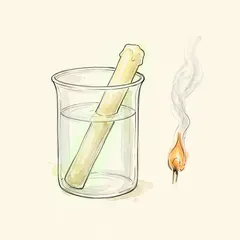
Phosphorus should be pre- served in a stoppered vessel filled with water, and kept in the dark. It has a garlic-like odor, shines in the dark, and is flexible ; a solu- tion may be made of it by dissolving pieces of phosphorus in hot water, and shaking the solution with strong alcohol, for a fortnight, every day. The phosphorus will thus be divided into an infinite number of globules. The tincture is colorless; it should be pre-
PHOSPHORUS. 577
served in blackened glasses ; it has a strong odor of phosphorus, and vapors of phosphorus are formed by pouring the tincture upon the hand or upon water. This tincture should not be kept too long. Triturations may be made of phosphorus by cutting a grain of it into twelve or more pieces, and kneading them together with a paste of one hundred grains of sugar of milk and fifteen drops of water.
Small doses of phosphorus, from one-tenth to one-eighth of a grain, cause a sense of increased and agreeable vitality, increased action of the pulse, increase of the cutaneous secretions, and of secretions from the lungs and kidneys. One grain causes all these symptoms, and moreover great sexual excitement. A few grains will induce burning in the oesophagus and stomach, belching up of wind, nausea, vomiting, thirst and fever. Poisonous doses cause inflam- mation, gangrene and perforation of the stomach, gangrenous petechias on various parts of the body, death.
According to Dumas, pure phosphorus is flexible ; a stick of it may be bent seven or eight times ; but the addition of one-three- hundredth part of sulphur renders it brittle.
Workmen exposed to the fumes of phosphorus are occasionally attacked with necrosis of the jaw-bones. The disorganization com- mences with inflammation of the gums, after which the teeth become loose and fall out. From the empty sockets and around the roots of the remaining teeth a copious fetid ichor is discharged. The whole of the lower jaw, from one articulation to the other, sometimes forms, together with the soft parts which are attached to it, one apparently homogeneous, hypertrophied, osseous mass, having a living appearance and perforated along the margin by small fistulous openings overgrown with fungoid granulations.
In some cases the teeth look black, covered with a thick layer of a firmly-adhering, viscid, dingy substance. This disorganization is accompanied with a general decay of the vital functions. The inspired air is poisoned by the fetor emanating from the ichorous secretion which becomes moreover mingled with the saliva, with the food and drink, thus ruining both respiration and digestion.
Considerable diversity of opinion prevails regarding the manner in which this disorganization develops itself. Some think that it is exclusively produced by the direct action of the fumes of phospho- rus upon the jaws. Others, on the contrary, attribute it to the absorption of the poison by the blood. Dr. Wegner found that in
VOL. II. — 36.
578 phosphokus.
fall-grown animals, fed upon minute closes of phosphorus, a thick- ening of the spongy tissue of the long and short bones was produced, with an increase in the density of the compact tissue. After some time, new tissue was deposited upon the inside of the shafts of the long bones, and, in some instances, obliteration of the marrow-cavity took place.
Phosphorus seems to be in relation with that element or principle in the brain which regulates the renovation of the nervous tissue. Physiological chemistry has determined the presence of phosphorus in the nervous substance, as it has the presence of iron in the blood. As iron plays an important part in diseases of the blood, so does phosphorus in affections of the nervous system. If the reproduction or supply of nervous tissue is deficient, or abnormally altered by some cause or other, phosphorus is, under certain circumstances, the remedy which enables us to repair the damage.
Worbe relates the following case : A man, twenty-eight years of age, swallowed half a grain of phosphorus in some hot water. Experiencing no effect, he swallowed, three days afterward, a grain and a half in the same vehicle. Toward evening he complained of violent pain in the stomach and bowels, attended with unceasing painful vomiting and diarrhoea. Dr.
Worbe saw him on the seventh day after the poisoning. The epigastric region was painful, the abdomen distended ; he was very weak, could only lie on his back, and articulated slowly and with great difficulty. His features had a sort of fixity which impressed upon his physiognomy a singular air of sadness, languor and wandering of mind. The tongue and lining membrane of the mouth looked natural ; the lips and skin presented a livid shade, the conjunctiva had a deep yellow tint.
The pulse was a little hard, respiration natural, urinary secretion normal. Since the first day of the poisoning, the alvine evacuations had stopped.
In spite of an antiphlogistic treatment, the application of leeches to the epigastric region, baths, fomentations, cataplasms, emollient injections, gum-water, the patient grew worse, recognized no one, tore off with violence everything placed on his abdomen. He was convulsively agitated. The abdomen was contracted. Pressure excited plaintive cries and irregular movements.
The mouth was tightly closed ; after bleeding him at the instep, the stomach became meteorized. The urinary and alvine discharges became involuntary, respiration slow and easy ; the beats of the heart regular aud deep. On the eighth day of the poisoning, toward evening, the pulse at the wrist disappeared ; the whole body was intensely yellow and covered with a cold sweat. He died early next morning.
Post-mortem appearances — Physiognomy unchanged ; the limbs were not as rigid as usual. The skin was yellow, the subcutaneous
PHOSPHORUS. 579
veins of the abdomen and the upper part of the thigh very promi- nent and arborescent; the scrotum had a bluish tint. The thorax contained a quantity of blackish serum ; the lungs were gorged with blood, the flaccid heart contained but a small quantity of blood. The mucous coat of the stomach was the only inflamed membrane; the other coats as well as the duodenum were pale and flabby, the submucous cellular tissue of these viscera was distended by gasses ; at both extremities of the stomach, at the cardiac orifice as well as at the pylorus, black, or rather slate-colored, spots were seen, which were genuine ecchymoses.
The intestines were distended with gas, containing very little fluid. The bladder looked healthy ; the brain was not examined.
It is unfortunate that two of the main organs, which were evi- dently powerfully acted upon in this case, were not examined after death : we mean the brain and liver. The symptoms of jaundice which existed in this case almost from the commencement, justify the supposition that both functional and organic changes had taken place in the liver under the action of phosphorus. Dr. W.
H. Hol- combe makes the following comments on this case : " There is no nice distinction recorded to show whether the tenderness on pressure involved also the hepatic region ; but as the duodenum was found healthy, we may safely infer that there was no extension by con- tinuity of the gastric inflammation to the liver. Whatever morbid impression that viscus may have received, was certainly due to the absorption of the phosphorus into the circulation." We shall after- ward learn from other cases of poisoning that phosphorus has a decided action upon the liver, and that it produces derangements in the functions and structure of this organ which justify its use in various affections of the liver characterized by a jaundiced appear- ance of the patient.
We are informed that the stomach was found inflamed after death. The symptoms which the patient manifested during life, the distressing and continued vomitings, the excessive distress in the epigastric region, the meteorism of the stomach, the expression of fixity and sadness in the features, the languor and wandering of mind : these symptoms sufficiently show that the nerve-force of the stomach was prostrated by an inimical power and threatened with utter extinction.
Another marked feature in this case is the state of venous con- gestion which phosphorus induced, and which was distinctly percep- tible in the subcutaneous veins of the abdomen, thigh, and in the capillaries of the scrotum. These signs of congestion most probably
JSO PHOSPHORUS.
arose from the fact that the liver was no longer able to send the blood poured into it through the vena porta, forward in a purified state into the general circulation. To sum up, this case teaches us that phosphorus acts upon the stomach, liver, and pri- marily upon the nervous energy which the brain, through the great sympathetic, imparts to these organs in order to enable them to fulfil their functional destiny.
June 3, 1856, at six o'clock in the evening, J. V. swallowed, to accomplish suicide, the inflammable material of four boxes of lucifer matches, scraped off into a wine-glassful of brandy. He had first taken a repast of solid food ; the swallowing of the poison oc- casioned no pain in the mouth or pharynx. In about fifteen minutes he experienced a slight burning and pricking in the stom- ach, accompanied by eructations of whitish vapors through the mouth and nose.
At eleven in the evening, five hours after taking the poison, he was taken with severe pains, colic and diarrhoea ; vomiting supervened, and at the same time excessive thirst. He drank during the night six quarts of water. The vomiting lasted all night; in the morning, the patient experienced vertigo and some pain in the kidneys, none in the nape of the neck. The vomitings continued during the 4th ; magnesia, mucilaginous drinks and ice- water, were administered, after which the vomiting ceased entirely.
June 5th, a little yellowish tint appeared in both conjunctivae, especially at the internal angles. The patient had experienced all night severe pain in both the upper and lower limbs. These pains which he compared to cramps, persisted all the time, but underwent occasional exacerbations, during which the muscles were stiffly con- tracted. The intelligence remained perfect; epigastric pains slight, but there was sensibility to pressure in the epigastrium and right hypochondrium.
The patient took no notice of things which were passing around him, but his responses were always correct. The icteric coloration of the eyes became more and more manifest, and extended also to the face and extremities.
June 6th, the jaundiced hue was very evident all over the body. He complained at intervals of lancinating darts through the fore- head. About six in the evening, violent delirium supervened ; the patient became restless, wished to get out of bed, and at last had to be tied. Toward morning, delirium gave place to coma, and he died after a short agony.
Post-mortem appearances. — The brain was found healthy. Ecchymoses of extravasated blood were found under the serous membrane of the lungs and in the substance of the lungs, not amounting, however, to sanguine infiltration or apopletic eilusion. The pericardium and endocardium also exhibited ecchymotic spots underneath their tissues. The white parts, the bones, cartilages and the internal coat of the arteries all presented a strong icteric
PHOSPHORUS. 581
coloration. The stomach was found slightly reddened along the lesser curvature, the general tint a little yellow. The bowels were healthy, except the lower third of the small intestine which was found distended by a bloody matter, mixed with feces. Throughout the seat of this bloody effusion, the mucous membrane was reddish in tint, and a little softened.
The liver was a little more voluminous than natural, and presented a clear yellow color, almost uniform, comparable to that of fatty liver. It did not, however, offer any actual traces of fatty degeneration. (Prof. Leudet on Poisoning by Phosphoretted Materials, translated by Dr.
Holcombe in the A7". A. Jour, of Horn.)
In this case the toxical influence shows a specific tendency to affect the biliary apparatus, which confirms our previous deductions relative to the therapeutic powers of phosphorus in affections of the liver, characterized by appearances of jaundice.
Another group of symptoms to which our attention is called in this case, is the enteritis affecting the lower third of the small intestine. We can readily understand why the stomach and the upper two-thirds of the intestines showed no traces of inflammation in this case. The patient had eaten a full repast immediately be- fore swallowing the poison. The presence of the food prevented the irritating action of the poison until it had become sufficiently freed from this mass of material to come in contact with the mucous lining.
This could not well take place except at some point in the lower portion of the small intestines. In the meanwhile a sufficient quantity of the poison had been absorbed to produce constitutional symptoms, which were partly manifested in the brain, and partly in the extremities, the central focus of the operations of the poison being the liver. Here we have a trinitary cycle of phenomena which frequently meets us in important affections of the liver : the disease of the liver occupying the centre, and the distress in the brain and extremities the terminal points of this. series.
In the present case the brain manifested its involvment in the hepatic disease by lancinating pains in the forehead, and a loss of power to notice things ; the severe, crampy pains in the extremities were due to the same cause.
The third case illustrates in a very marked manner the specific power of phosphorus to derange the hepatic functions.
• June 5th. — At eight o'clock in the evening, Maria Leblanc, six hours after having eaten, swallowed the combustible matter of a box of matches, dissolved in a cup of coffee. Immediately after its
582 PHOSPHORUS.
ingestion, she had frequent eructation?, and declared that there issued from her mouth fumes of a strong garlicky taste which were luminous in the dark. In about three-quarters of an hour, she felt severe pain in the throat, a sense of swelling in the tongue, and a pricking in the epigastrium. The pain was paroxysmal, at intervals of five minutes. The woman experienced great sense of fatigue, and there was a peculiar insensibility of the skin of the extremities.
June 6th. — Nausea without vomiting; numbness of the extremi- ties ; formication ; sensibility so much diminished that she could not pick up a pin between her fingers. In the evening she was brought to the hospital, pale, features slightly changed ; had craving thirst; epigastric pains more marked; skin dry; pulse normal.
June 7 th. — Commencing jaundice; chills; intelligence intact.
June 8th Decided jaundice, with bad taste in the mouth, som- nolence ; the liver is sensitive to pressure, projects a very little beyond the false rib ; more chills ; fever more severe. Pulse down to fifty or sixty. Eed spots are seen on the arms which disappear on pressure.
The pain in the liver and the enlargement is increased ; delirium suddenly supervened, followed by a comatose state, inter- rupted by occasional screams. Delirium, coma, dyspnoea, yawning, loss of intelligence, difficulty of articulation, cries ; trismus termin- ated the scene.
Post-mortem appearances Bloody serum in the cavity of the pleura and of the pericardium ; ecchymoses on the costal pleura. Pulmonary engorgement; heart small, collapsed, containing no blood, Ecchymoses under the peritoneum ; bloody serum in its cavity. Stomach and upper half of small intestines full of bloody mucus.
Liver larger than natural, of deep brown color and softened. Spleen also enlarged and softened, ecchymoses under its serous coat. Bladder contained a large quantity of bloody urine and many ecchy- moses under its mucous membrane. Ecchymoses under the perito- neal coat of the uterus and its appendages.
This case again illustrates the marked specific action of phosporus upon the liver. The liver was enlarged, in a condition resembling hepatitis, with the jaundiced tint which always accompanies this disease. The parenchyma of the liver was found softened. The transformation apparently took place in this way : First, the nerve- force of the organ was struck down by the absorbed poison ; the pulse went down to fifty.
The organ became congested, enlarged, and gradually softened, with the accompanying chills and burning fever which are always jjresent during the final dissolution of a vital organ.
"This case," as Dr. Holcombe justly observes, "remarkably illus- trates the power of phosphorus to produce those blood -metamor- phoses or those modifications of the capillary system, perhaps both
PHOSPHORUS. 583
at once, which result in haemorrhages either by ecchymosis into the tissues or by exudation into the cavities."
The red petechias upon the arms deserve our notice. According to Orfila, the petechias caused by phosphorus are red, containing a somewhat bright-red, fluid-blood ; whilst those caused by arsenic are black or blue.
The numbness of the extremities, the formication and the final complete loss of sensation, in this case, will not have escaped your notice. We shall show you that phosphorus may prove eminently useful in paralysis resulting from spinal weakness.
A man of orderly habits, thirty-nine years of age, had been pre- paring for the last three years locofoco-matches in his own apart- ment, where he likewise kept the materials and the manufactured supply. A year ago, a quantity of phosphorus and locofoco-matches took fire with a violent explosion and the rising of a quantity of phosphorated vapor, which he inhaled, in consequence of which he experienced a feeling of suffocation, and fainted. After this he com- plained of a feeling of weakness in the back as if crushed, followed by weakness of the extremities and trembling after the least exertion ; lastly, he was seized with a creeping and twitching sensation under the skin.
At first he was tormented by great desire for sexual inter- course ; this, however, disappeared at a later period, and, for the last six months, all erectile power had left him. In other respects he enjoyed good health, had good appetite, the bowels moved naturally, the respiration was normal, and the functional activity of the brain seemed unimpaired. When admitted into the hospital, both the lower limbs were so feeble that the patient was only able to stagger for a moment or two with a trembling step.
When attempting to stand, his knees shook and gave way; his hands and arms trembled when he attempted to use them ; while in a state of rest, the muscles of the whole body, but especially those of the extremities, seemed to be twitching to and fro, though they were not painful ; different muscles, or bundles of muscles, twitched at different periods. At times the twitching stopped, but it was easily excited by contact. In the left arm he experienced a continual sensation of formication under the skin ; the skin all over the body had a natural feeling, the spine was not sensitive or painful, but so feeble that the patient was not -able to raise himself or to remain in a sitting posture.
His mental faculties, sensual function, his lungs, heart and digestive organs, were all in a normal condition; but he stuttered, when endeavoring to articulate. All efforts to help this patient were fruit- less ; he continued to live three or four years longer, although the paralysis went on increasingly. The intelligence remained perfect.
This case is taken from a Swedish work by Huss, entitled Chronic Alcoholism, where the effects of various poisons are described. The
584 PHOSPHORUS.
chronic effects of alcohol may be considered as typical of the chronic effects of many other poisons.
What attracts our especial attention in this case is the disorganizing action of phosphorus upon the spinal marrow. According to Arnold, phosphorus produces degeneration and deliquescence of the spinal cord. The, effects of the deleterious action of phosphorus upon the cord, showed themselves in this case by the complete prostration of all muscular power. The sentient as well as the motor nervous power was thoroughly assailed by the poison.
A soldier, twenty-one years of age, swallowed the ends of six ordinary packets of locofo co-matches in order to destroy himself. Three hours afterward, he was seized with frequent attacks of vom- iting, in consequence of which a large quantity of the matches was expelled. His pulse was frequent, tongue coated, head hot; he complained of headache. An emetic was given; cold applications were made to the head, and magnesia-milk administered in consider- able quantities.
A greenish fluid was vomited up, with undigested food, mucus, ond some ends of the matches ; the fluid did not emit any odor of phosphorus. The remainder of the report we take from the A7. A. Jour, of Horn., to whose pages Dr.
Peters has transferred it in an abbreviated form.
The next day after using the emetic, the headache was less severe, pulse ninety-two ; stomach but slightly sensitive to pressure, but there were pains in each hypochondrium.
■ In the afternoon, the turgeseence of the face had increased, as had also the hypochondriac pains; there was burning thirst, with dryness of the mouth; the headache had completely disappeared; the urine was highly colored and frothy; its specific gravity in- creased, and it was found to contain albumen and exudation cells ; this state of the urine continued during the whole course of the disease.
Three days after the phosphorus had been taken, the thirst and dryness of the mouth, with the hypochondriac pains, had increased, and there were, moreover, darting pains in the chest. The tinge of the face was heightened, the sensibility of the epigastric region more marked, and the tympanitic percussion-sound of the stomach more extensive. Leeches and ice were applied to the epigastric region ; ice was given internally, with the view of assuaging the intense thirst; the magnesia was also continued. The above symptoms persisted, and the face assumed a remarkable bluish-red color, except a colorless band of about an inch in breadth, which extended from the highest point of the forehead down to the median line of the chin, and was sharply defined, giving to the face a most peculiar appearance.
On the fourth day, the pains in the hypochondrium had some- what abated, but those of the breast had become intolerable, without
PHOSPHOEUS. 585
there being any physical signs of disease of the chest. The bluish- red color of the face had changed into a perfectly cyanotic line, the median line of the face continuing free from all color. The epigas- tric pain had ceased. The patient sweated profusely, and the vapor arising from the body gave out an intensely phosphoric odor.
A peculiar symptom now showed itself : deprivation of sight. The patient, who retained perfect consciousness, stated that in the horizontal position he could perceive a feeble ray of light, but that wlian lie sat up lie could not see at all; the pupils were so dilated that only a narrow ring of the iris was visible ; they were influenced by the light. He now complained of darting pains in the e}"eballs. The pulse was one hundred; but moderately full and strong; in the afternoon it rose to one hundred and fort}', and was small and weak.
The sense of hearing was lost, the extremities were cool, and the second sound of the heart was no longer audible. The patient, who was still perfectly conscious, died tranquilly.
Post-mortem appearances The brain was pale, bloodless, and softer than natural ; the ventricles contained a trace of serum ; the sinuses were distended with dark, fluid blood. The lungs were of a dark-red color ; in the right lung were many patches of extravasated blood ; the subpleural cellular tissue had numerous ecchymoses ; the pleura contained much bloody serum. The pericardium con- tained a little reddish serum ; the heart was soft, the left ventricle empty; the right ventricle and the great veins contained much blood, partly in a state of loose coagulation and jjartly fluid.
The liver was to some extent eularged, fatty and perfectly bloodless. The spleen was bloodless. The cortical substance of the kidneys was granular. The Malpighian corpuscles resembled red j)oints.
On a microposcopic examination, the uriniferous tubuli were found blocked up with exudation-matter. {Ani. Jour. Med. Sciences.)
The reporter of this case, Dr. ISTitsche, remarks, with respect to the existence of albumen in the urine and the signs of commencing Bright's disease, it is not likely tliat this condition was present before the reception of phosphorus, for the patient's previous health was excellent. It is much more probable that the lesion of the kidney was produced directly by the phosphorus, for the same has been observed in instances of poisoning by other agents. Moreover, argues the Doctor, it should be remembered how much the kidneys are exposed to injurious influences in the separation of noxious materials from the system,
CEPHALIC GEOUP.
A great variety of head symptoms have been recorded by provers. Among them we find: Headache, with nausea, in the morning or evening, brought on by vexation. Dull, stupid headache on the
586 PHOSPHORUS.
vertex. Headache, with drowsiness and inability to perform intel- lectual labor, relieved by quiet, and brought on again by moving about, and accompanied by a sensation as if the brain were loose within the cranium. Heaviness and fulness in the head, as if a catarrh were coming on. Pain, as if the brain were bruised or dashed to pieces, from afternoon to bed-time, going off while asleep.
Oppressive headache, here and there, increasing to a pain as if the brain were dashed to pieces on the surface. Oppressive headache, or a muddled feeling, with jerking in the head or tearing every morning, increased during the motion after rising. Drawing with pressure in both temples. Tearing in the forehead, in both temples.
Tearing in the upper and right side of the head, especially on the right side. Tearing stitches in different parts of the head. Beating in the vertex, also in the left side of the head, especially in the back part. Jerks in the sinciput as if pieces of lead were shaken in the brain.
Shocks in the head, especially during a difficult stool. Humming and roaring in the head. Burning pain in the region of the forehead, sometimes with nausea. The head feels easier in the open air.
HEADACHES You will find phosphorus an important remedy in headaches of nervous people or in persons who have exhausted their strength by sexual excesses or by too close application to study. There is usually present considerable vertigo, difficulty of applica- tion to intellectual labor, mental depression, and a feeling of great fatigue. There is often a feeling of fulness in the forehead, and a. sensation of a great pressure upon the eyes and root of the nose.
Motion, stooping forward, mental exertion, warmth and noise aggra- vate the trouble; the reverse conditions relieve. Coldness in the cerebellum. Phosphorus may be indicated in persons who are laboring under softening of the brain or who are threatened with paralysis. In such cases the nervous group of symptoms should be carefully studied.
In
ARTHRITIC HEMICRANIA phosphorus may prove very efficient.
A physician had an attack of rheumatic arthritis of which he was cured after the lapse of six weeks. Since then he had been troubled with attacks of headache which lasted sometimes a day or more, came on without any apparent cause, and invaded at one time the forehead, at another the occiput, etc. The part where the pain was most violent, swelled, causing the most excruciating pain when touched ever so- lightly. The patient became utterly incapacitated from performing the least mental labor.
The left eye had become so weak that he was no longer able to distinguish objects clearly. There was no visible change in the appearance of the eye. In spite of the most careful and abstemious mode of life, the patient had an attack every
PHOSPHORUS. 5«?
few days which lasted from two to three days without interruption. The attacks were accompanied with an anxious choking and retching, lassitude in the limbs, an empty and confused feeling in the head, peevishness, depression of spirits ; falling out of the hair, and violent pains in the small of the back after the attacks ; the pulse was- extremely slow, about forty-five in the minnte; urine pale, watery, having a sicken- ing, sweetish taste ; appetite undisturbed, except during the paroxysms, when he loathed all food, felt very thirsty, and was tormented by so much uneasiness and anxiety that he was unable to contain himself.
After having tried a number of rem- edies without benefit, he now took phosphorus, four grains dissolved in half an ounce of sulphuric ether, from twenty to twenty-five drops every two hours. Already after the third dose, he felt a pleasant warmth over the whole body, with frequent urina- tion, cheerfulness, even mirfhfulness ; the pulse was raised ; the horrid aching pain had become transformed into a dull pain ; the patient felt disposed to be quiet. He transpired over the whole body, perspired about the head, slept quietly all night and felt very much refreshed next morning ; pain and weariness had disappeared, the appetite had returned.
He now took twenty-five drops every three hours. Next day the improvement continued. He felt cheerful, and a pleasant warmth over the whole body. The headache had entirely left him.
Six weeks after, he took a violent cold, which commenced with a chill. The headache returned with great violence. He resumed the phosphorus in thirty-drop doses. After the first dose he felt a sensation of pleasant warmth all over his body ; after the second dose he had a quiet and refreshing sleep for five hours.
On waking, a profuse perspiration had broken out ; the headache had left, he felt well and had regained his appetite. The urine, which had a fiery-red color, deposited a thick, white, slimy sediment two hours after standing. The medicine was continued for one fortnight, twenty-five drops every two hours. "This was," in the patient's own language," "the last attack of this prostrating headache."
HYPEEiEMIA. — Sorge's experiments upon animals, and a num- ber of post-mortem examinations of the human subject, seem to justify the use of phosphorus in hyperemia and consequent oedema of the brain ; the indications for phosphorus in these affections are : a dull, sometimes semilateral headache, extending to the upper eyelids, also attended with a feeling of stoppage in the nose, and generally accompanied with dullness of the head, incapacity for mental occupations, vacuity of mind, hypochondriac or irritable mood, feeling of extreme lassitude; the headache is relieved by sleeping, eating or drinking a little wine, by exposure to the open air or washing the face in cold water, the temperature of the head and the color of the face are little, or not at all, heightened ; the pulse, if altered, is small, the sleep restless, disturbed by dreams of an obscene character, or else the sleep inclines to sopor. (See Sorge's treatise on Phosphorus, pp. 192, 193.)
The special senses are likewise disturbed, more especially the sense of vision, the patient being tormented by an excessive sensitiveness to light.
ISTEEVOUS GEOUP.
That phosphorus has a decided effect upon the nervous system is now admitted by all schools of medicine^ In the estimation of the physiological schools, the remedy is indicated when there exists
588 PHOSPHORUS.
want of nerve-power, proceeding from insufficient nutrition of the nerve. We may accept, if we wish, this general statement, for, to a certain extent, it is based upon facts ; but it behooves us to remember that phosphorus can relieve this want of nutrition only, when its effects find their counterpart in the pathogenetic symptoms of the drug.
Phosphorus has caused paralysis. You have observed various paralytic symptoms in the cases of poisoning given you ; and while provers have not carried their experiments far enough to produce actual paralysis, we have recorded symptoms like the following : Paralytic feeling in the body ; he walks like one paralytic, without noticing it himself ; the whole right side feels paralyzed, with nau- sea ; the hands and feet are heavy as lead ; rigidity of the hands, and hands and feet ; paralysis of the fingers, they can scarcely be moved ; the fingers of one hand feel numb and insensible, those of the other as if they had gone to sleep, etc.
In some cases of poisoning the paralytic symptoms produced were very prominent. Chas. E. Dieffenbach, a druggist, wishing to make an experiment with phosphorus, took three grains in six days. He experienced, before death, violent and continual vomiting ; spasms ; paralysis of the left arm; delirium. A woman attempted to commit suicide by taking phosphorus. She did not accomplish her object, but survived with a paralysis of both hands. [Annates d' Hygiene, etc., 1855, p. 157.)
PARALYSIS. — We may then use the remedy in paralysis, es- pecially in progressive spinal paralysis, with formication, with great numbness of the hands and of the soles of the feet ; recurring pains in the spine, which are of agonizing intensity ; thick, turbid urine ; severe, tearing pains, seemingly neuralgic, in various parts of the body. Hemiplegia, especially of old people.
Mad. P., aged thirty-six years, soon after her marriage, was attacked with a paraly- sis of the lower extremities. For a period of three months many remedies were tried without result. The limbs were powerless, rigid, cold and insensible.
The back was also rigid, and at a certain point near the sacrum, there was no sensibility. She often experienced a tearing and formication in the back, extending into the limbs. The other functions were normal. After two doses of sulphur1'2, she took phospho- rus, 2d dilution, ten drops every two days.
After the fourth day from the employ- ment of the remedy, she was able to walk with the aid of a cane, and without any other aid she was completely cured of her malady. (Dr. Engelhard, Allg. Horn.
Zeitg., 1854, p. 172.)
A girl of sixteen years, with a broken-down constitution, and having never yet menstruated, had been confined for three years with paralysis of the -spinal marrow. She was unable to turn about in bed or sit up, and sank down utterly powerless if an attempt was made to raise her. The paralysis had come on and had developed itselt'
PHOSPHOKUS. 589
gradually; in other respects the patient did not complain much. For the last two years she had been attended by a physician without experiencing any benefit from his treatment. Dr. Frank, who reports this case, finally put her on the use of phos- phorus dissolved in ether, of which solution she took twenty-five drops four times a day.
The strength of the solution is not stated, but it was very probably two grains of phosphorus in one ounce of ether. Two months after this treatment had been com- menced, the patient was able, for the first time in three years and a half, to leave her bed and walk on two crutches ; gradually she only required her cane for her support, and some time after, the menses made their appearance. The phosphorus was con- tinued, together with baths in which some sulphuret of potash was dissolved.
Some six weeks after the first menstrual period, the patient was able to walk half a mile without an effort, and without using a cane. The improvement proved permanent. {Frank's Magazine.)
EPILEPSY. — Phosphorus has been found to act cnratively in the treatment of epilepsy. An epileptic drank accidentally about an ounce from a tumblerful of water in which two drachms of phos- phorus has been kept. She was entirely cured.
The remedy would be of especial value in cases where the patient has brought on the disease by onanism, venereal excesses, or similar irregularities and when there are present gastric symptoms which are characteristic of this drug.
Phosphorus has caused : Aching of the malar and parietal bones, and of the teeth, increased by warmth. Pressure from without inward above the orbit of the left eye. Tension in the malar bones, if violently pressed toward each other, going off by friction. In- creasing tearing in the facial bones and temples, as if every part would be torn out.
Tearing in the lower border of the orbit, as if the flesh would be torn off. Violent tearing below the right ear. Violent stitch from the middle of the left lower jaw, through the cheek and eye, coming out at the forehead. The pains in the face come on again after the least cold, when talking, eating or by contact.
PROSOPALGIA — The above symptoms certainly justify the use of phosphorus in prosopalgia, especially in the temporal and maxil- lary region. The pain is usually very severe, and corresponds to the symptoms given. The remedy is especially applicable to thin, nervous people.
A woman, thirty-five years old, has been subject to prosopalgia, sometimes on the left side and again on the right. It feels as if a nail were driven into the flesh; this is especially the case in the temples, and it seems to run behind the eyeball. Pressure and the use of hot or cold applications relieve occasionally. Her teeth are decayed and are sore to touch and during mastication.
She feels weak, menstruation is regu- lar, but painful. Sleep does not refresh. She is troubled with eructations and can taste her food for hours after eating. Irritable state of mind, and palpitation of the heart from slightest exertion.
Prescribed belladonna6. A little better for a few days. Mercurius6. General health seems some better; prosopalgia no better.
Phosphorus6. The pain is wholly relieved and the patient is better, bodily and mentally. {Allg. Horn. Zeilg., xxxix., p. 126.)
590 PHOSPHOKUS.
A man, fifty years old, had a violent tearing pain, which commenced in the gum of the inferior maxillary bone and, increasing in severity, ran into the upper jaw-bone as high up as the infra-orbital fossa. The attack is brought on by talking, eating or the slightest touch, and continues for several hours. With it, he had a tearing pain in the vertex, roaring in the ears, and a feeling of tightness in the cheek, as if he could not well open the mouth. Four doses of phosphorus, one dose every five days, cured him.
(Schindler in Prakt. Beitraege, vol. ii.)
Mrs. E. B., aged twenty years; blue eyes, light hair, short, thin in flesh. When in the seventh month of her first pregnancy, she was taken with severe pains in her stomach, appearing in paroxysms, and continuing in the same form for three days.
In a few hours after leaving the stomach, the same kind of pains appeared in her left temple, extending to the eye, teeth and side of the head. The character of the pains was like "sticking the parts with a knife," being so severe as to make her wholly beside herself. Severity of the pains seemed to be the great characteristic point. After she had been under varied medical care for a year, I gave her phosphorus30, to be taken every six hours, until relieved.
She took but one dose. Cured. (Dr. T.
L. Brown, Am. Jour. Horn.
Mat. Med., May, 1869.)
APHONIA Clinical experience lias shown phosphorus able to relieve, and frequently to cure, aphonia or loss of voice. While the remedy is of great service when this difficulty depends upon catarrhal trouble or is found in connection with tuberculosis, it is of especial importance when we have reason to suspect atrophy of nerve-tissue as the cause of the loss of voice. We would, in such a case, make a careful study of the constitutional symptoms and of the patholog- ical condition.
Special indications for the remedy are : great pain in the larynx when speaking ; excessive dryness of the larynx ; sud- den loss of voice.
A young girl of fifteen years, of slender build and of an active disposition, had been troubled with various spasmodic difficulties, and with a short, barking cough, which came on in frequent paroxysms. She had improved under belladonna. Dur- ing a menstrual period, which was characterized by a scanty flow of blood and con- siderable pain in the bowels, she received pulsatilla. The pain in the bowels disap- peared ; but in their place she suffered a complete loss of voice, accompanied by painful pressure in the pit of the stomach, extending upward into the throat, which seemed much swollen and felt as hard as stone.
Belladonna, stramonium, hyocya- mus and spongia gave no relief whatever. She received at last every morning and evening five drops of a solution of one grain of phosphorus in one drachm of sulphuric ether ; later, four doses each day of ten drops of a solution of four grains of phospho- rus to one drachm of sulphuric ether. Within a week she regained her voice and commenced to enjoy the most perfect health. (Kraemer in the Hygea, vol. vii., p. 56.)
ASTHMA, whether pnrely nervous or occurring as a symptom of tuberculosis or of some other serious lesion in the lungs, yields often to this remedy. There will be present : greafc fear of suffoca- tion ; difficult inspiration ; feeling of pressure upon the chest ; the attacks are worse every morning and evening. Heavy breathing; loud, labored breathing. "Phosphorus is of no service to phleg- matic persons ; it relieves only excitable, lively people, particularly those of light complexion." (Lobeth.)
If the patient is afflicted with lung disease, the nature of the
PHOSPHORUS. 591
cough and of the expectoration must be taken into careful con- sideration.
INFLAMMATORY GROUP.
Professor Brera gave to a paralytic patient one grain of phospho- rus in two doses. Toward evening of the same day she felt con- siderably better, with formication in the paralyzed limb; but she likewise complained of a feeling of weight in the stomach. Next day, a repetition of the dose was followed by the faculty of using the limb ; she walked about her room, but complained of oppression and burning in the stomach, formication in tho paralyzed arm, and frequent pulse. After an interval of three days, she took a double dose in the shape of an injection.
That day she had several attacks of vomiting, pains in the abdomen, violent burning in the stomach and bowels, considerable prostration, feeble pulse, paleness of the face, and she finally perished in spite of all antidotal treatment.
A post-mortem examination revealed the following symptoms : The stomach and intestinal canal were very much distended, con- taining a good deal of combustible gas in the form of a white vapor, having an alliacious odor ; there was no trace of inflammation in the stomach ; a few red spots were discovered in the small intestines ; in the larger bowels the phosphorus-injection was found unaltered.
This case shows that the burning pain in the stomach, in a case of poisoning by phosphorus, may arise from the action of the vapors of phosphorus upon the mucus lining, unaccompanied by any per- ceptible signs of inflammation. These signs exist in the majority of cases, as in the following :
A woman, of fifty-two years, who was afflicted with paralytic weakness and pains in the extremities, took one-fourth of a grain of phosphorus morning and evening, and on the fourth day, three times. Shortly after, she vomited tasteless water, and complained of very violent pains in the stomach. The pains gradually spread over the whole abdomen, but were most violeut in the stomach. The patient expelled a greenish and finally a blackish substance ; the alvine evacuations were of the same color.
The abdomen be- came meteorized and exceedingly sensitive ; the fever which had set in with pains in the stomach, was accompanied with a small, hard -and very frequent pulse. The patient died within three days.
Post-mortem examination. — The external surface of the stomach ■did not seem altered, but the smaller intestines were livid on the outer surface, and even black ; the mesentery was very much in- flamed. The internal surface of the oesophagus inflamed; the internal surface of the stomach aud lesser intestines, which were all — stomach aud intestines — tilled with a black fluid, were dark- red, the cardiac region was clotted with a large number of points {gangrened) ; the large intestines were not altered.
592 • PHOSPHORUS.
In the experiments made upon animals where phosphorus was in- troduced into the stomach, the mucous lining of this viscns was found more or less inflamed. In some cases, the coats of the stomach were found perforated. In a case of poisoning (Frank's Magazine) where from six to nine grains of phosphorus had been swallowed, two gangrenous ulcers were found near the pyloric orifice, and a perforating ulcer of the size of a dime at the cul-de-sac. The appearance of the stomach is in many cases that of gangrenous i - flammation, with the mucous membrane sometimes in a state of complete softening; the patients vomit up foul, dark, greenish and even bloody masses ; feel weak, trembling, have a livid, cadaverous appearance ; they complain of horrid burning pains in the stomach • the extremities feel cold, the pulse is hurried, small, the finger-nails may look bluish.
Delirium may be present. The patients are exceedingly restless.
GASTRITIS. — You may, then, use phosphorus in gastritis with violent burning pains in the stomach ; pains in the abdomen ; vom- iting of food and of greenish matter ; great prostration ; tenderness of the abdomen; cold extremities; small pulse. In severe cases, where we fear a tendency to gangrene, the symptoms described above will be found present more or less completely.
A lady was taken, on Friday, with pain in the stomach. On Saturday she took an emetic, and mercury and magnesia. She vomited freely and had copious evacua- tions from the bowels; but the pain in the stomach continued to increase rapidly, so that, on Sunday, the patient could not bear the least touch, not even the pressure of the bedding upon the abdomen. She had also: Slight delirium; small, quick pulse ; the tongue looked as if covered with a coat of white paint; breathing hurried ; countenance deathly pale, hippocratic.
After giving her aconite and belladonna she received a dose of phosphorus2, every fifteen minutes. There was improvement after the first dose, after the second dose sleep, and in the morning she wakened free from pain. Discharged cured in three days. (Dr.
Sharp in the i^om. Times.)
MUCOUS ENTERITIS may yield to phosphorus. In cases of poisoning by phosphorus, the ileum has been found filled with blood and mucus ; in other cases the mucous lining looked dark -red, as it does in inflammation, thickened, though not ulcerated. In forms of enteritis to which phosphorus is homoeopathic, the ganglionic sys- tem is threatened witli prostration, and the cerebral action may be correspondingly impaired. A typhoid condition, dry heat of the skin, sallow, cadaverous countenance, coldness of the extremities, small hurried pulse and excessive prostration, may develop.
PHLEBITIS. — Phosphorus has been employed in some forms of phlebitis, especially in inflammations of the larger veins, the vena cava ascendcns, for instance, the patient complaining of a burning
phosphorus. 593
pain along tlie track of tins vein ; with sallow, jaundiced appearance, coated tongue, prostration, constipation, dark urine.
PNEUMONIA has been very successfully treated with phosphorus. Fleischmann regards it as specific in this disease. It is homoe- opathic to the second stage of pneumonia, when the pulmonary parenchyma has become hepatized, the percussion-sound is very dull, and bronchophony, or bronchial respiration, is fully established. Phosphorus is indicated from the commencement of the parenchy- matous solidification, even to the acme of this metamorphosis, when the crepitating murmur has entirely ceased.
Both the results of poisoning and of physiological experimenta- tion show that phosphorus has a specific action upon the lungs. In a case of poisoning, reported in Frank's Magazine, the lower lobes of the lungs were found solidified and turgid with venous blood In experimenting upon animals, Magendie found the lungs exhibiting several blue spots, of a dense and slightly crepitating tissue, the remaining portion of the lungs rose-colored ; hence he concludes that phosphorus causes hepatization. In
TYPHOID PNEUMONIA phosphorus is an important remedy.
A married woman of thirty-eight years, with weak chest, was attacked with pneumonia which soon assumed a typhoid form. On the second day after the attack the patient became stupid, the pleuritic stitches became very violent, the tongue dry, the skin dry and burning; on the fourth day she seemed to be in a dying condition; dysphagia, singultus, cold sweats set in. Phosphorus dissolved in ether was now given, eight drops every half-hour. In three hours, the consciousness had entirely returned, the tongue became moist, the extremities warmed up, a warm sweat broke out.
Phosphorus was continued until the patient had entirely recovered.
A very interesting case of typhoid pneumonia is that of a man of forty-five years, several of whose brothers and sisters had died of consumption. He took cold, in consequence of which he had an attack of pneumonia. I saw him first late in the evening, and found him with a high fever, a severe stitching pain in the left lung, and a continual hacking cough, with a feeling of irritation pervading the whole lungs. Next morning the symptoms looked worse ; the patient expectorated a heavy, greenish, sanguinolent pus which came from the spot where he had experienced the stitching pain the night before.
The space occupied by the abscess which had evi- dently formed, was about the size of a dollar. The pain on pressure was exceed- ingly keen. Typhoid symptoms were rapidly developing themselves. The tongue looked dry, glazed, lined with a dark-brown coating.
The complexion was of a deep sallow, even chestnut-brown ; skin dry and brittle. The patient wanted to sleep all the time ; delirium began to set in ; he became visibly more and more ema- ciated, and his friends confidently expected his death. His brothers and sisters had died in a similar manner with what had been considered galloping consumption. Phosphorus was given every two hours, and in one fortnight from the beginning of the treatment, the patient was again able to attend to business.
CHRONIC PNEUMONIA. — Phosphorus acts curatively in chronic pneumonia with tearing, irritating cough, causing soreness, with expectoration of mucus, pus and blood, especially when such a condition remains after mismanaged acute pneumonia.
VOL. II. — 17.
594 PHOSPHORUS.
A rose-colored gouty inflammation of the ankle-joint has yielded to phosphorus.
RHEUMATISMUS may find its remedy in phosphorus, if the pain is tearing, drawing, brought on by the slightest exposure and accompanied with headache, vertigo and asthmatic breathing. It is especially valuable in cases where we find spinal trouble.
H., aged forty-four years, accustomed to all kinds of weather, caught cold two years ago and has been rheumatic since then. The symptoms are : Tearing pains in the extremities constantly changing location, and violent headaches, both caused by trifling exposure. Violent headache, with a sensation of stupor, with rush of blood to the head and pulsation in the head. Pale, earthy complexion.
Dark rings around the eyes. Stitching and drawing pain in the jaw-bone, shifting from one side to the other; frequent bleeding of the gums; toothache and profuse flow of saliva. Frequent and painful belching of wind ; no desire for food, but he relishes his meals. Tobacco causes nausea and palpitation of the heart; uneasiness in the bowels with flatulency.
He has one diarrhoeic stool each day. Turbid urine, with brick-dust sediment. Frequent dry coryza ; oppression of breathing, languor, sore- ness, heaviness in all the limbs ; every movement exhausts him. Peevish, dis- couraged, anxious and hypochondric.
Phosphorus cured him promptly and radically. (Gaspary in the Annal. der Horn. Klinik, vol. hi., p. 30.)
COXALGIA with symptoms of great nervous exhaustion, lung- complications ; hectic fever ; the urine is turbid and deposits, on cooling, a white sediment. If fistulous openings exist, they secrete a thin, unhealthy pus ; bleed upon slight irritation.
Student, aged eighteen years. Suppression of the itch [? Ed.] in a cold bath. Soon after, pain in the hip, and after one year fully-developed coxalgia.
The patient looked cachectic, his pulse was feverish, the leg shortened ; he had to use a crutch. At times he had very violent pains in the hip-joint, which were relieved by the frequent application of warm poultices. The urine was characteristic in so far, that soon after being voided, it looked turbid, but without any particular color ; upon standing it deposited a white sediment. Sulphur did no good.
Considering the chronic inflammation in the joint, the hectic fever and the copious, white deposit in the urine, I gave him one drop of phosphorus1 every day. The patient was dis- charged cured in two months. He remained somewhat lame, since the joint itself had been seriously involved. (Maly in Hygea, xx., p. 356.)
ARTHEITIS NODOSA In arthritis nodosa, as in arthritic
pains generally, phosphorus is said to have done much good.
The patient was a girl of nineteen years, of good constitution and sanguine temper- ament. After bathing in the river, she was attacked by wandering arthritic pains, at times in one, and at other times in another limb or articulation, with rigidity and swelling of the affected parts. For six weeks she was treated without any percep- tible benefit. The pains continued to shift from one part to another.
Three grains of phosphorus dissolved in half a drachm of sulphuric ether were now administered in eight-drop doses three times a day. After the third dose, the patient experienced an agreeable warmth in the affected parts, perspired a good deal over night, and felt considerably relieved the next morning. The medicine was continued in smaller doses for a few days longer, after which period the patient had entirely recovered except some weakness, which speedily yielded to a strengthening diet. [Frank's Magazine.)
ORBITAL GROUP.
CHRONIC CONJUNCTIVITIS.— Observation has revealed the
PHOSPHORUS. 595
irritating action of phosphorus upon the conjunctiva. In chronic conjunctivitis, with inflammatory irritation of the canthi and palpe- bral conjunctiva, secretion of pus, agglutination of the lids, slight vascularity of the conjunctiva, itching and smarting of the eye, we shall find phosphorus of use. In the treatment of
AMAUROSIS this agent may prove useful if the eyeball is threatened with marasmus ; the patient complains of lancinating pains through the balls, a deep-seated distress at the bottom of the orbit ; the blindness may come in paroxysms, it is worse when the patient sits up erect than it is when he is lying down ; muscae volitantes, and a gray mist interfere with vision; there is intense photophobia.
On the 3d of April, I had an opportunity to see the child. It was stone blind — a well pronounced case of amaurosis. Healthy child, large head, only slight weakness of the feet prevented standing and walking. Prescribed phosphorus 6th centesimal, morning and evening.
On the 14th of April I received a letter, which said " the child has much more sight." On May 2d I had a second opportunity to see the child. She took what was offered her, and noticed different objects. Perfectly nor- mal sight has not been attained, but the probability that the improvement will con- tinue can hardly be doubted ; at all events the characteristic influence of phosphorus is astonishingly great. (H.
Goullon, jun., Horn. Times, May, 1879, fr°m New Eng. Med. Gazette, vol. xi.)
CATARACT has been treated by rubbing phosphorized oil upon the forehead and dropping it into the eye. It is stated that this treatment, in the hands of the French oculist Javiguol, has caused softening and absorption of the induration of the lens or its capsules.
AURICULAR GROUP.
Phosphorus has caused: buzzing and roaring in the ears; deaf- ness to the sound of human voice. " Lobethal calls attention to that type of dysecoia, which arises from weakness of the auditory nerves, especially after exhausting disease, and which is caused by the long-continued increase of volume in the blood-waves of the carotids, exerting a decided effect npon the organs of hearing, and ultimately causing incurable deafness, unless relieved by skillful treatment. The seat of the difficulty lies in the blood-vessels of the inner ear, which act as the medium by which the excited circulation affects the nerves.
If this difficulty of hearing does not develop itself suddenly and with a high degree of intensity at the close of a typhoid fever, it commences very gradually, manifesting itself by sounds which are at first clear and on a higher key, but later consist of a hollow roaring in one and soon in both ears. This congestion shows itself in redness of the eyelids, increased heat in the head,
596 PHOSPHORUS.
scanty secretion of ear-was, frequent burning and great external redness of the ear, very unpleasant effects from the use of stimu- lants and from mental excitement, and is most frequently found in persons of light complexion, with a large head and prominent mas- toid process, especially in thinking men of more than usual intelli- gence. In this form of partial deafness phosphorus acts very nicely. Aconite and belladonna can only temporarily relieve this often intolerable congestion to the ears.
But with phosphorus we have often succeeded to lessen this confusing noise in the ears, at least to prevent its injurious effects upon the hearing itself. To accomplish much, the remedy must be given in a low trituration at least once a day ; when improvement has taken place and has continued for some little time, it may be omitted, to be prescribed again, if necessary. The higher attenuations accomplished nothing in our hands." (Praktische Beitrsege v. Thorer, vol. iv., p. 144.)
A German, fifty-six years old, has, for twenty-eight years, been hardly free from, intermittent fever, which would not yield to the use of china. For many years she has also been troubled with roaring in both ears and with deafness. Symptoms : On the right side the ticking of a watch is heard only when pressed upon die ear; on the left side at a distance of 1% inches. The tuning fork is heard in He head and very slightly in the left ear; if the ear is plugged, it adds to the clearness of the sound.
The auditory canal is dry, the right tympanum is paler than that of the left ear, sensitiveness of the inner and outer ear is normal. After the fever symptoms had been removed, the difficulty of hearing still remained. One dose of phospho- rus1600 cured the roaring in the ears and the deafness ; a moderate amount of ear-wax was secreted, the ticking of the watch was heard, on both sides, at a greatly increased distance, there was no change in the right tympanum ; the patient took a ready part in conversation.
(Reutsch in the Allg. Horn. Zeitg., vol. xxxviii., p. 135.)
NASAL GROUP. '
CHEONIC OATAEEH.— In chronic catarrh, with discharge of green mucus, phosphorus may prove useful, especially if the nose is more or less inflamed.
POLYPUS of the nose has been reduced in size, and even removed, by touching it with a solution of phosphorus.
FACIAL GROUP.
Phosphorus causes a pale and sickly appearance of the counte- nance; under the effects of phosphorus the face looks sallow and bloated, and finally assumes the hippocratic expression of the fea- tures. This group of symptoms is only of use to us as part of a more comprehensive group of phenomena, such as typhus or cholera.
DENTAL GROUP.
We have seen that phosphorus causes necrosis or an osteo-sarco-
PHOSPHOKUS. 597
matous degeneration of the maxillary bones. It is important for lis to know whether this destruction is the result of a purely local or chemical action of phosphorus, or whether it is consequent upon an absorption of phosphorus into the general circulation, and may be looked upon as a constitutional disease. In the latter event, we may feel justified in recommending a trial of phosphorus in
OSTEO-SABCOMA, a disorganization for which the knife seems to have been the only desperate, and very frequently unsuccessful, remedy heretofore.
CHYLO-POIETIC GROUP
Phosphorus affects the digestive apparatus in a very marked manner, which enables us to avail ourselves of this agent in the treatment of several more or less important disorders. It causes a white coating on the tongue, and a parched and cracked tongue, or a tongue covered with a blackish or dark-colored glazed coating. We may avail ourselves of this symptom in some forms of typhus, especially in abdominal typhus.
Phosphorus also causes a slimy taste, and a loss of taste.
It also causes excessive hunger. Bouttaz dissolved four grains in half an ounce of sulphuric ether, of which he took, for purposes of experimentation, twenty drops every two hours. After the first dose, he experienced nausea, which passed ofE after drinking cold water. After the second dose : ravenous appetite, the pulse and warmth of the body being slightly raised ; throughout his body he experienced a feeling of ease.
This apparent exaltation of functional action was accompanied by an excessive desire for sexual intercourse.
BULIMIA. — Evidently this group of symptoms denotes an abnormal functional excitement, such as may initiate a state of prostration of the reproductive energies of the organism. Hence, we may recommend phosphorus in bulimia, when symptomatic of marasmus or nervous consumption.
Phosphorus causes risings of air, and paroxysms like the follow- ing : nausea and vomiting, also sour and bilious vomiting, preceded by vertigo and nausea; at the same time the hands and feet become numb and cold, a cold sweat breaks out on the forehead ; after several attacks of vomiting, two natural evacuations from the bowels occur. This group of symptoms may represent a case of
GASTBODYNIA; as may likewise be said of the following symptoms, developod by one-eighth of a grain of phosphorus taken
598 PHOSPHOKUS.
by an epileptic young man : Twenty-five minutes after swallowing the medicine, he was seized with a burning in the stomach, followed by violent thirst, anxiety, quivering of the facial muscles, violent chill with coldness of the extremities. His eyes became shining as if transfigured, his lips ash-colored, pulse small ; his strength sank, and he died.
In this case there may have been some inflammatory irritation of the mucous lining of the stomach, but the nervous character of this group of symptoms is so strikingly marked, that we may clearly interpret these symptoms as a group representing gastrodynia.
That phosphorus is a remedy of much importance in this dis- tressing difficulty cannot be doubted. Hahnemann recommends it when there is very severe pressure in the stomach after eating, with vomiting of food very soon after swallowing it, and when there exists a partial stricture in the cardiac orifice. Gross speaks highly of its use in cases where there are paroxysms of pressing pain in the stomach which run into the back, brought on or aggravated by eating, or relieved by yielding to a most ravenous appetite.
A finely developed young girl of sixteen years, of sanguine temperament, suffered frequently from violent pressure in the stomach, which affected the back also and was greatly aggravated from eating. One dose of phosphorus tincture relieved her •in one hour. The disease never returned. (Gross in jfahrb. d. Horn., vol. ii., p. 238.)
H. has suffered for three years from gastrodynia. Symptoms : gnawing sensation in the stomach, relieved, for a short time, by eating. Frequently he gets up in the night to get rest from pain through eating something. After the use of three drops of spirit of phosphorus on sugar, the difficulty disappeared at once. He had a relapse three years later, which was cured by the same means. (Vehsemeyer in Jahrb. d. Horn., vol. iii., p. 207.)
A man, forty-eight years old, subject to haemorrhoids, has suffered with burning, stitches and pressure in the stomach, always present, but greatly aggravated for several hours after eating, thus preventing him from satisfying his hunger; worse in the evening and during the night; the burning rises, at times, into the throat. Whenever the pains became violent, he had a cold, shuddering sensation over the entire body and a "boiling" sensation in the stomach. There were at times sour eructations, waterbrash ; bowels irregular, the stools hard and expelled with much difficulty ; burning in the rectum.
Great weakness. Nux and sulphur failed to relieve. Phosphorus18 was followed by marked improvement, which lasted three months. He then had a slight relapse, with restlessness, anxiety, palpitation of the heart and pain in the back.
Another dose of phosphorus, this time in the 30th atten- uation, cured him. (Hartlaub in Annal. d. Horn. Klinik, vol. iv., p. 462.
SOIREHOUS INDURATIONS.— Phosphorus may likewise prove useful in scirrhous indurations of the stomach. Hufeland informs us that he has known several persons who had taken phosphorus from a quack, and who afterward suffered with cardialgia, bad digestion, chronic vomiting, constipation, and other troubles : lastly
PHOSPHORUS. 599
marasmus and hectic fever set in ; scirrhous indurations were found in their stomachs after death.
Even in the lighter forms of gastric derangement phosphorus may prove serviceable. The nausea and sour vomiting which phos- phorus produces may render it valuable in
DYSPEPSIA, characterized by a sense of pressure in the stomach after eating, as from a load, accompanied with sour eructa- tions and sour vomiting.
This remedy is particularly valuable in chronic cases. The symptoms given under gastralgia, and indications furnished under other subdivisions, should be carefully considered.
Phosphorus has, in its pathogenetic record, a large number of symptoms, which foreshadow its importance as a remedy in diarrhoea. We may mention : soft stool, with pressing and cutting in the abdo- men ; the stool ieAs hot. Diarrhoea with tenesmus of the rectum. Diarrhoea, preceded by shifting of flatulence and pinching around the .umbilicus, accompanied or succeeded by burning at the anus, or passing out with force.
Slimy, bloody, watery, exhausting diarrhoea. Thin, green stools. Gray stools, mixed with white mucus. Pressure at the anus and violent, constrictive pain before stool.
Violent burning at the anus and rectum, after a soft stool, and great weak- ness. Sticking, gnawing and itching at the anus. Varices in the anus, with itching, tickling and stitching, especially during walking. Haemorrhage from the anus or rectum, also during the emission of flatulence.
Mucous discharge from the anus, which is constantly open.
DIARRHCEA. — We may then use phosphorus in diarrhoea, pre- senting a counterpart to the enumerated symptoms and further characterized by great thirst for very cold drinks, with vomiting of drinks as soon as they become warm ; emissions of very fetid flatus ; very forcible expulsion of the passages, especially in cases of watery diarrhoea in children or in persons in the latter stages of phthisis. It is also of the greatest use in the diarrhoea of lying-in women and of persons very sick with typhoid fever. It is equally serviceable in acute and chronic cases.
B. S., aged sixteen months. Has been sick with diarrhoea for nine weeks. The stools are watery, were discharged with a gush ; are preceded by rumbling in the bowels and much pain. At stool, considerable straining. At times emission of fetid flatus. Skin looks yellow. Oleum crotonis was given, because from the first day of his sickness the stools had been passed with the characteristic gush. There was no improvement. Phosphorus4, one dose every two hours, cured promptly.
Mr. M., aged forty-eight years, has had diarrhoea every day for eight years. He had from two to fifteen stools a day. He was always worse in warm weather; the
600 PHOSPHORUS.
stools were ligl.t yellow and painless; appetite good; health not much impaired. Phosphorus6 was given, three times a day. Cured with one prescription. (Dr. Gage in the Am. Homceopathist, December, 1877.)
H., aged thirty-six years, brunette with dark hair, thin in flesh, had had diarrhoea for ten weeks. Symptoms : The body is emaciated ; the countenance earthy-pale, the eyes dull, the tongue covered, in the middle, with a grayish-white coating but dry and bright-red on the margins : the lower abdomen is sunk in; there is a cutting, contractive pain in the umbilical region, which hardly ever leaves him and is hardest in the morning, when he has from two to four diarrhceic stools in quick succession; the passages are grayish-white and are accompanied with much prostration.
He has another evacuation at noon and at night. The urine is scanty, turbid and deposits a light-yellow sediment. There is little appetite and thirst ; the forehead and hands are cool ; he feels cool in the morning, warm in the evening, especially in the coun- tenance and in the palms of the hands. Pulse small, feeble, hardy, 60.
For several years constant irritation in throat with dry, hacking cough. Chamomilla relieved the piin somewhat. He then received three doses of phosphorus30, in five days. Improvement set in after the first dose as shown in the diarrhoea itself, increase of appetite and of strength.
Within a week he walked about and was discharged cured in fourteen days. (Schwarze, Horn. Heilungen, p. 99.)
The passage of involuntary stools become often a serious and annoying symptom in the course of various serious diseases. The use of phosphorus is indicated by such symptoms of the remedy, as : mucous discharge from the anus, which is constantly open ; involuntary stool during coughing, on slight motion and as soon as anything enters the rectum.
COLIC. — We may recommend phosphorus in colic with flatulency deep in the lower abdomen, usually aggravated by lying in bed, with loud, painful rumbling in the distended abdomen and with a pain as if the bowels were cut with knives.
In cases of poisoning by phosphorus, patients have vomited up a blackish substance resembling foul blood and bile, and the stomach has been found filled with a blackish fluid. We may therefore recommend phosphorus in cases of
MELiEJSTA, or black vomit, when occurring as an idiopathic affection, especially when accompanied by an intense burning dis- tress in the stomach. Phosphorus may likewise be remembered in
BLACK VOMIT of yellow fever ; we know that phosphorus has a remarkable action upon the liver, hence we may expect some good from phosphorus in this disease.
We have seen that phosphorus will cause cramps in the extremi- ties, coldness, sinking pulse, serous diarrhoea, vomiting, burning in the epigastrium, and other symptoms which may be regarded as a group representing
CHOLERA of a milder type, more particularly
CHOLERA MORBUS, to which the effects of phosphorus, de- veloped by Professor Sundelin, likewise point.
PHOSPHORUS. 601
Sundelin informs us, in his manual of Therapeutics, that he swal- lowed one-quarter of a grain of phosphorus dissolved in oil, for the purpose of ascertaining the effects of this agent upon the healthy organism. It excited a feeling of intense heat in the stomach, and afterward in the whole abdomen. Half an hour later, violent vom- iting and diarrhoea took place, accompanied by distinct febrile motions. After eating a thick farinaceous soup boiled with milk^ the pains in the abdomen soon abated, but the stomach remained sensitive for several days, and was only able to digest light food.
Our cases of poisoning have shown us that phosphorus may prove serviceable in
FATTY DEGENERATION" OF THE LIVER, and likewise in
CIRRHOSIS or the so-called nutmeg-liver, which sometimes is the result of hard and continued drinking.
URINARY GROUP.
ALBUMINURIA — Phosphorus may be eminently useful in albu- minuria, even in that form of it which is designated as Bright' s disease.
The urine, under the effects of phosphorus, frequently assumes an opalescent appearance, from the fact that fatty pellicles or oily globules float on the liquid. This symptom may be of value to us as an indication for phosphorus in the treatment for phthisis.
A thick, turbid and scanty urine, or a copious watery urine, is characteristic of phosphorus, the former especially in low typhoid diseases, the latter in nervous conditions with which phosphorus is in homoeopathic rapport.
SEXUAL GROUP.
Phosphorus causes an irresistible desire for sexual intercourse. This is one of the most marked effects of phosphorus upon the sexual organs of the male. Alphonse le Roy, Bouttaz and other pro vers of phosphorus have noticed this remarkable symptom. In cases of paralysis, where phosphorus was given in medicinal doses, it has had this effect.
In the experiments made upon animals, this effect has likewise been observed in a most remarkable degree. This effect may be associated with increased redness of the urine. We may avail ourselves of this experience in the treatment of
SATYRIASIS, especially when this derangement is accompanied with wild cerebral excitement, flushed face and glistening eyes. Phosphorus and cantharides may prove two of the most efficient ■agents in controlling this dreadful affection.
602 phosphorus.
This abnormal excitement of the sexual functions would, in the end, result in sexual weakness, an opposite condition to which phos- phorus is likewise homoeopathic. In
IMPOTENCE, or sexual weakness arising from previous abuse, we may find this drug a valuable agent.
A gentleman, about thirty years of age, of delicate frame and of dark complexion, had been treated for phthisis pulmonalis. He had indulged in promiscuous inter- course from his fourteenth year until now. He had contracted, several times, blen- norrhcea and syphilis. He had married a girl of seventeen, of a passionate temper- ament, and with her he had indulged so freely, that in a few years after his marriage he found himself perfectly impotent.
Treatment had proved of no avail. When I was consulted, his symptoms were : extreme debility of all the functions; dry, short cough ; painr in the chest; the entire muscular system was enfeebled and the nerv- ous system was much excited ; no appetite ; severe pain in the lumbar vertebrae, and very copious alvine evacuations; a thin, slimy, colorless fluid oozed constantly from the urethra. I gave him phosphorus30, six pellets every eighth day, for six weeks, and had the satisfaction to send him back perfectly restored and free from all the tormenting symptoms, which marked his disease when he came under my treatment.
(Dr. Spech in U. S. your. Horn., February, i860, BlumenthaPs trans.)
Phosphorus has a tendency to bring on the menses and to pro- mote conception. It has, therefore, beeri frequently used by old- school physicians as a palliative means of restoring the menstrual discharge, if it happened to have been interrupted by a suddenly operating cause, a cold for instance. In women of a naturally sound and vigorous constitution this palliative treatment has some- times been found sufficient.
Phosphorus, in the hands of a homoeopathic physician, fulfils far higher and more rational therapeutic uses. He may avail himself of this agent in cases of
PKOFUSE MENSTRUATION, attended with sexual excite- ment, tendency of the blood to the head, abnormal, excessive sensi- sitiveness of feeling, and mental excitement.
MENOSTASIA. — On the other hand, phosphorus may be useful in an opposite condition, menostasia, with absence of sexual desire, general weakness, pale and sallow complexion, dry and smooth, transparent, waxy skin, and a condition generally bordering upon
OHLOKOSIS, especially in young women of a strumous habit, who have undergone hardship, exposure, want. In
MASTITIS, phosphorus has been found useful, especially after an abscess had commenced to form, or fistulous openings had been established in the gland by the ulcerative process.
Swelling of the left mammary gland in a young married lady, with a child nine- teen months old, still nursing; veins very prominent, capillaries engorged; pain of an aching character, occasionally shooting. Gave phosphorus 1st decimal and cloths dipped in hot water, in which some phosphorus was also dissolved, applied to the
PHOSPHOKUS. 603
breast. Next day the pain was gone, and the swelling had disappeared. (Dr. Aus- ten in the Med. Investigator, October, i S69. )
CATARRHAL GROUP.
In various cases of poisoning by phosphorus, the mucous mem- brane of the trachea and its ramifications has been found very red. In other cases, the air-tubes have been found gorged with mucus and blood.
In a case of paraplegia, where the patient enjoyed otherwise good health and was perfectly free from all pulmonary symptoms, the gradual employment of one grain of phosphorus, within the space of a few days, produced the following symptoms : feverish pulse, coated tongue, throbbing of the carotids, several attacks of bilious vomiting, disagreeable tension and dryness of the chest, cough and expectoration of mucus.
Provers have given us a large number of valuable symptoms, such as : Dryness in the pharynx and fauces, day and night. Hawking up of mucus in the morning. Hawking up of gray, salt- ish expectoration. Eoughness of the larynx and trachea, with hacking.
Eoughness and dryness in the chest. Hoarseness. Vio- lent catarrh with hoarseness. Expectoration of mucus.
Cough from tickling in the chest, with rawness and hoarseness in the chest. Cough with stitching pain below the pit of the stomach ; she has to hold her chest. Loose, rattling cough, as in old people. Violent, dry, hacking cough all day.
Violent, dry cough with oppressive headache. Hollow, mostly dry, cough, with pressure in the pit of the stomach, hindering sleep the whole night. Hollow cough, night and morning, with pressure in the pit of the stomach. Loose cough, without expectoration, with pain and soreness in the chest.
Panting cough with slight oppression of the chest and some expectoration. Fatiguing cough with expectoration of tenacious mucus. Morning cough, with translucent expectoration, and sen- sation in the middle of the sternum as if something had been torn loose. Muco-sauguineous expectoration, when coughing, or with fatiguing hacking, before and during the menses.
Discharge of purulent flocculi, with erosive burning behind the sternum. Green- ish expectoration. Saltish, purulent expectoration, particularly morning and evening. Short breathing after coughing.
Arrest of breathing during a quick walk. Difficult, panting breathing when ascending a hill. Loud rattling breathiug. Oppression of the chest, with chilliness and violent headache.
Oppression as if the
604 PHOSPHOKUS.
hot blood were pressing upward in the throat, early in the morning. Tension and tightness in the chest with dryness. Stitches in various parts of the chest. Kush of blood to the chest ; palpitation of the heart. Weakness of the chest, with a sensation as if a pain would appear there. Pain as if bruised in the upper part of the chest and below the right shoulder-blade. Burning, pinching, beating pain. Yellow spots on the chest.
BRONCHIAL CATARRH.— These symptoms all point to phos- phorus as an excellent remedy in bronchial catarrh, with dry, titillating cough, burning and irritation in the air-passages, expecto- ration of frothy mucus.
CHRONIC BRONCHITIS, with expectoration of bloody mucus, soreness of the air-passages, expectoration of froth and blood, or even pus and blood, tearing and racking cough.
In a case of dry, titillating cough, if the patient feels an irritation throughout the chest; he coughs all the time, a short, hacking, exhaustive cough as if emanating from every part of the lungs, phosphorus will prove eminently useful even when administered in the middle attenuations. In a cough of this kind, the lungs feel as if crowded full of blood, the patient complains of a feeling of tension across the chest ; the expectoration consists of a little frothy mucus.
In some cases of poisoning, the larynx has been found red, and apparently inflamed. We may therefore recommend phosphorus in
LARYNGITIS, especially chronic, with heat and dryness of the larynx, laryngeal cough with expectoration of mucus, streaks of blood.
Mrs. F., aged forty-seven years ; had laryngitis some six years. Cough, with free and easy expectoration of sweetish, or musty, yellow matter. Frequent haemoptysis, and even hemorrhage of quite large quantities of blood, warm and fresh.
She was thin, has blue eyes, light brown hair, her condition is passive and painless. I saw her first on August 8th. Gave her phosphorus30, three prescriptions of ten powders each. She has had no haemorrhage since the first prescription, and the cough has ceased.
She now has only occasional hawking of mucus mixed with a little phlegm. She is much better generally, and rides and walks long distances, which she dared not do before. (Dr. Storo in Hahn.
Monthly, Dec, 1873.)
CROUP. — In croup, phosphorus has likewise been used, with apparently good effect. The remedy is especially adapted to cases where there is short, quick breathing, constant rattling of phlegm, very quick light pulse and a very high temperature. The attacks are sometimes preceded by hoarseness, and are accompanied by great difficulty of breathing, amounting to fear of suffocation.
PHOSPHORUS. 605
A girl, five years old, was taken with croup, which grew rapidly worse under regular treatment. On the third day she received hepar2 and spongia2, as the symp- toms demanded. On the the fourth day she was still worse. Prescribed spirits of phosphorus1, two drops ; a few hours later the child ceased to swallow.
Apathy, dropping of the lower jaw ; sunken, half-closed eyes, only an occasional spasmodic effort to breath, bloating of the hands and face ; the face is cool and cyanosed ; the body covered with a cold, clammy sweat. There was now only an occasional cough, the respiration (altogether abdominal) was irregular and the voice hardly audible. Two grains of phosphorus were dissolved in half a drachm of oil of almonds and every ten minutes the throat and chest were first thoroughly rubbed with it, then covered with flannel.
In an hour and a half she commenced to revive. She grasped the throat and imitated the motion of rubbing. The oil was now used every fifteen to thirty minutes. Return of the cough, but still no ring to it.
In the night return of deglutition, and internal use of phosphorus as before. On the next morning we found that the dangerous symptoms had disappeared. The cough is more frequent, dry and croupy. Respiration even, hurried, whistling and mainly abdominal.
Pulse 135, small. Expression of the countenance better and the general condition as it was on the third day. Phosphorus continued, both internally and externally, but less frequently. On the sixth day the cough became looser and expectoration of of masses of mucus took place, with great relief.
Mucous rattling, etc. Hepar sulphur2 finished the cure. (Vehsemeyer, Allg. Horn.
Zeitg., vol. li., p. 59.)
TUBERCULAR PHTHISIS.— We should not be unmindful of the eminent services which phosphorus may render us in the treat- ment of tubercular phthisis, more particularly in the first stages of this disease.
Dr. Holcombe informs us in his short, but exceedingly interesting proving of phosphorus, instituted with large doses of the strong tincture, that the drug had a marked action upon the lungs, char- acterized by the following significant symptoms : Sensation of heat in the lungs. Disposition to take deep inspirations, with discomfort on doing so. Shooting pains in the right side of the chest.
Occa- sional sneezing, which aggravates the unpleasant and stuffed feeling of the breast. Severe pain in the posterior part of the left lung, sometimes aggravated upon inspiration, sometimes not. Some hacking, tickling cough. Considerable mucous accumulation in the trachea, with hoarseness.
The doctor states that the fugitive thoracic pains which phos- phorus excited, annoyed him with apprehensions of a tubercular diathesis. They disappeared entirely after the proving had been discontinued.
According to Hartmann, phosphorus is the remedy when the cough is very violent, continuing day and night ; copious expectora- tion of phlegm ; great oppression and anxious breathing ; rush of blood to the chest, especially if it follows every slight mental excite- ment, violent palpitation of the heart with occasional stitches in the left side, and a slight admixture of blood to the sputa.
A furniture maker, thirty-five years old, of well-defined tuberculous diathesis, has
606 PHOSPHORUS.
had yearly attacks of pneumonia, under the care of a "regular" physician. From the last attack he did not rally. Symptoms : The throat was raw, hoarse and dry ; the chest felt to him as if filled with pus; the cough was very exhausting, causing him to tremble all over. The violent stitching pain in the chest had left him, but there was much general irritation throughout the chest ; the yellow pus-like expecto- ration tasted salty and was most copious in the morning and evening.
The eyes were unsteady and he could hardly speak a word without being interrupted by short harrassing hacking. Constant chilliness, especially toward evening, interrupted by flashes of heat At times, he complained of tearing and stitching pain all through the chest; again the pain seemed beating, or the whole chest seemed raw and greatly oppressed. He had night-sweats and tumbled all night on his couch of shavings. After having been treated by the "regular" attendant, he received phosphorus80.
On the third day he was more comfortable ; on the fourth he had some sleep ; after a week, the hoarseness and nightly fever disappeared, his voice became stronger, and he improved gradually and sufficiently to again perform his accustomed labor. (Bethmann in Annal. der Horn. Klinik., vol, i., p. 340.)
FEVER GROUP.
TYPHUS — Phosphorus has been advantageously employed in typhus, when symptoms of paralysis seemed impending, with loss of consciousness, muttering delirium, singultus, petechias, involuntary discharges from the bowels, hurried, small, even filiform pulse, cold- ness aud parchment-like dryness of the skin, paralytic inability to pass urine.
Professor Mitchell informs us in his Manual of Therapeutics that as early as the year 1793, Dr. Wolff employed phosphorus dissolved in ether in cases of low typhoid fevers, with feeble pulse, petechiae, etc. He gave five drops of a solution of two grains of phosphorus in half an ounce of ether, every three hours. The pulse improved after a few doses had been taken ; a uniform heat pervaded the sys- tem, a pleasant moisture covered the skin, and the delirium subsided.
Much testimony of a similar nature could be adduced. All well- informed alkeopathic physicians admit that the exhibition of phos- phorus in typhoid fevers by judicious practitioners may be attended with salutary results.
ADYNAMIC FEVERS.— In the class of low typhoid fevers which some pathologists have been in the habit of describing under the name of adynamic fevers, phosphorus has been eminently useful.
A man of seventy-one years had sunk into the following condition in consequence of catarrh : Prostration, singultus, difficulty of swallowing, the liquids rolled down audibly; sopor, rattling breathing, without power to expectorate, debility and ema- ciation, quick and small pulse ; cold extremities, cold and clammy sweat in the face ; dull eyes, with blear-eyedness, red, smooth and dry tongue. He took phosphorus, dissolved in sulphuric ether, ten drops every few hours. In six hours the singultus and the rumbling of the liquid subsided; the skin became moist, the patient was able to expectorate a tenacious mucus, and very soon recovered. [Frank's Magazine.)
PURPURA H/EMORRHAGIOA.— In purpura haemo-rhagi'ca, also described as morbus maculosus Werlhofii, phosphorus may be
PHOSPHOKUS. 607
of service ; the petechial exudations should have a reddish appear- ance.
JAUNDICE Phosphorus may prove useful in certain forms of jaundice, especially of the chronic kind, in cases where the liver may he suspected of being invaded by organic disease. In a case of paralysis where the patient seemed otherwise quite well, had a good appetite and slept well, and was finally completely cured by means of rhus tox., phosphorus, given internally by Dr. Buehheim, pro- duced in a few days complete jaundice, loss of appetite and fever.
This would seem to show that even in acute jaundice phosphorus may prove serviceable.
A woman, in the fifth month of pregnancy, suffered from jaundice, as she usually did under similar conditions. There was dry cough, provoked by the slightest exer- tion, headache, involuntary emission of urine, chilliness and thirst. After receiving bryonia, she suffered additionally from stabbing pains in the region of the liver when coughing. Pulsatilla and sulphur failed to benefit her. Phosphorus1000 cured her completely and permanently. (Gross in New Arch., iii., 3, 34.)
EX ANTHEM ATO US GKOUP.
CHILBLAINS. — Phosphorus is homoeopathic to inflamed chil- blains, if they break and discharge a watery, fetid secretion.
OLD GLANDULAR SWELLINGS — It has been advantage- ously employed for the dispersion of old glandular swellings, especially in the case of old, cachectic individuals ; in such cases it may be employed externally, one grain in an ounce of olive oil.
BURNS AND PANARITIA— Some physicians have used this agent in the case of recent burns and panaritia, applying a solution of phosphorus in ether externally. It is useful in
HERPES consisting in round spots all over the body. In dry,
SCALY SCALDHEAD phosphorus has proved useful. Like- wise in
FISTULOUS ULCERS, or ulcers with callous edges, or difficult to heal, secreting a thin and foul pus, with fever. In
MEASLES AND SCARLET FEVER phosphorus becomes a valuable remedy when lung complications arise to which the remedy is homoeopathic.
SMALL-POX. — It is also successfully used in a somewhat rare form of small-pox, where the pustules fill with blood instead of pus (variola sanguinea). Fleischmann relates such a case (Hygea, vol. ix.) where severe lung-complications arose in addition to the already grave condition of the patient; a perfect recovery was made under the use of phosphorus.
608 PHOSPHORUS.
OAEIES. — In certain diseases of the bones phosphorus acts curatively. We may mention caries of mercurial or scrofulous origin, and
EXOSTOSIS, especially of the bones of the skull, with violeut tearing pains, swelling of the bones in various parts of the body, discbarge of thin, watery pus.
A middle-aged woman had suffered exostosis for one year, when she was suddenly taken worse. Symptoms : Increase of pain in the affected bones, which became very intense at night, robbing her of sleep. The pains were tearing, boring, all through the head, attacking at times the occipital region, then the teeth, jaw-bones, extremities, etc. ; at times she had violent itching on the head, glandular swellings on the neck, gum-boils; there was daily more or less sour and bitter vomiting; the small amount of food which she took turned intensely sour, causing acrid eructa- tions, burning in the mouth, throat and stomach, persistent hiccough, burning and cutting pain in the bowels, constipation ; thirst, loss of flesh, cachectic appearance of the countenance, great weakness, fainting-spells when she tried to raise the head, paralytic weakness in the right arm and leg, impetigo in the elbow-joint of the left arm, periodical itching of the whole body, small blood-boils ; the exostoses were situated on both temporal bones, the left parietal and occipital bones, were of the size of a bean or hazel-nut and had the characteristics of tophi.
The two largest ones were on the sternal extremity of the clavicle and the region of the anterior fontanelle in the infant. The clavicle was enlarged to twice its normal size and the exostosis on the head was as large as a silver dollar [a little larger than the American silver half-dollar Ed.] nearly half an inch high and gradually losing itself in the sound bone. The surrounding and covering tissues were natural.
They were quite sensi- tive to severe pressure with the finger, but did not yield a particle. Prescribed one drop of phosphorus30 each day; in two weeks the headache and other difficulties were improved ; after that she received one drop every second day for three weeks, and still later one drop every eighth day for eight weeks. After three months' use of the remedy the smaller tophi and the whole train of constitutional symptoms had disap- peared. The exostoses on the cranium and clavicle had shrunk to one-half of their former size and were painful only upon very severe pressure but disappeared entirely within a few months more.
(Knorre in All°. Horn. Zeitg., vol., v., p. 309.)
MENTAL GROUP.
The primary action of phosphorus upon the mind seems to be a stimulation of the vital spirits ; the secondary action is characterized by depression of spirits. In morbid conditions, fevers and other derangements where phosphorus seems indicated, a state of mental exaltation, intense excitement of the affectional, sexual and imagina- tive sphere, as well as a state of melancholy, quiet lowness of spirits, is additionally characteristic of phosphorus.
A young woman, strictly moral, unhappy in her love, was taken down with crazy - deliria. She accused herself of the most obscene actions, of which she was never guilty. Hyoscyamus (jealousy) strammonium and veratrum showed none of their usual curative effects, but, phosphorus (which she got on account of her simultaneous hysterical laughter and crying spells,) proved salutary in less than twenty-four hours, and was followed by perfect recovery. (Jahr's Therap.
Zeitf., 1865, LilienthaPs translation in Am. Jour. Horn. Mat.
Med., January, 1869.)
A woman, forty-nine years old, of choleric-sanguine temperament, who nine years, ago had been an inmate of an insane asylum, had been for four weeks in the follow- ing condition : She destroys everything in her reach ; talks in a loud, peremptory
PHYSOSTIGMA YENENOSUM. 009
tone : spits into the face of her nurse. She lifts up her garments to expose her body, and kisses persons who come near her. She does silly things, talking incoherently and at the same time. Pulse slightly accelerated, tongue coated while ; sleep is almost entirely absent, — menses very scanty, pale, watery. Prescribed belladonna and hysocyamus without giving relief. Cured by phosphorus60. (Schmidt, New Arch., ii., 3, 103.)