 Ομοιοπαθητική Βιβλιοθήκη
Αρχική / Εικονογραφημένα φάρμακα
Εικονογραφημένα φάρμακα
357 φάρμακα έχουν εικονογράφηση. Τα δέκα παρακάτω συνοδεύονται από το τι βλέπετε, τι χρησιμοποιείται για την παρασκευή του φαρμάκου και την ιστορία του από τα κλασικά κείμενα. Σύρετε ή χρησιμοποιήστε τα βέλη και πατήστε την εικόνα μπροστά για την πλήρη καταχώριση.
 Εικονογράφηση
 Εικονογράφηση
 Εικονογράφηση
 Εικονογράφηση
 Εικονογράφηση
 Εικονογράφηση
 Εικονογράφηση
 Εικονογράφηση
 Εικονογράφηση
 Εικονογράφηση
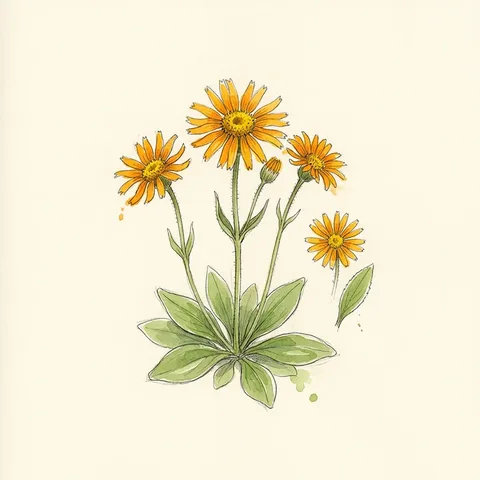
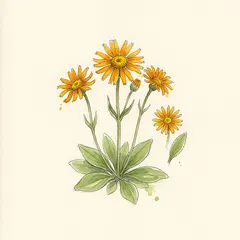
Arnica Montana
Leopard's Bane
- Τι βλέπετε
- Orange-yellow daisy-like flower heads on slender stems, above a rosette of green leaves.
- Μέρη που χρησιμοποιούνται
- The fresh plant or the root. Clarke lists a tincture of the whole fresh plant and a tincture of the root, and Hering notes that Hahnemann's proving used the root.
- Η ιστορία
- A plant of the high mountain plains of Germany, known for injuries long before homeopathy. Its German names mean “the herb useful after a fall” (Fallkraut) and “bestowing well-being” (Wohlverleih), and Hering calls it “one of the oldest popular drugs”. Hahnemann made it one of his first provings. Boericke sums up the result: it produces conditions “quite similar to those resulting from injuries, falls, blows, contusions”.
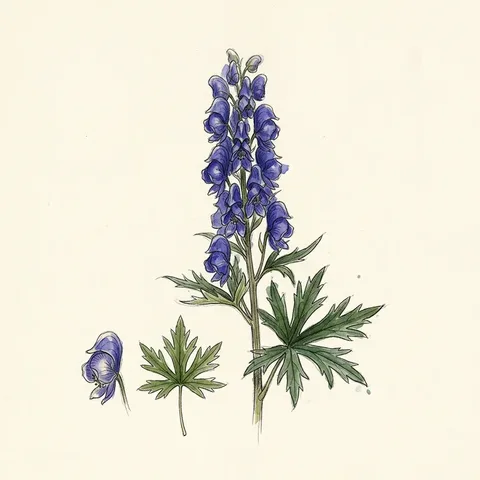
Aconitum Napellus
Monkshood
- Τι βλέπετε
- A tall spike of blue-violet, hooded flowers above deeply cut dark green leaves.
- Μέρη που χρησιμοποιούνται
- The whole plant with its root, picked as it begins to flower (Clarke). Hering adds that the root is stronger than the herb.
- Η ιστορία
- Monkshood or Wolfsbane, a plant of damp mountain country across Europe and Central Asia, and “one of the deadliest and most rapidly acting of poisons”. Before Hahnemann it was known for rheumatism, sciatica and tumours, but Clarke says its properties were understood only once Hahnemann proved it. It became the remedy with which he met most of the conditions that were then treated by blood-letting.
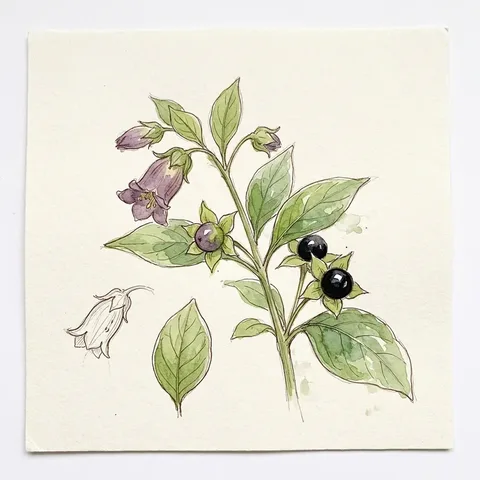
Belladonna
Deadly Nightshade
- Τι βλέπετε
- A leafy stem with a nodding purple bell-shaped flower and shiny black berries.
- Μέρη που χρησιμοποιούνται
- The whole plant, picked as it begins to flower (Clarke).
- Η ιστορία
- Deadly Nightshade, from Greece, Italy and Britain. Hering writes that it was “one of the first of all medicines Hahnemann experimented with”, and that it led him in 1800 to a discovery “greater than any other ever made in the domain of science”. Clarke notes that poisoning by Belladonna has often been mistaken for scarlatina, and discusses the remedy's correspondence to that fever.
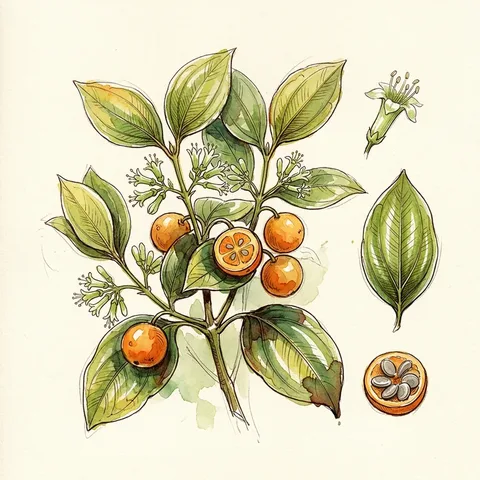
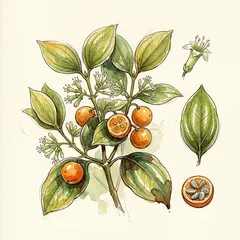
Nux Vomica
Poison-nut
- Τι βλέπετε
- A leafy branch with small white flowers and round orange fruit; one fruit is cut open to show its flat grey seeds.
- Μέρη που χρησιμοποιούνται
- The seed. Clarke lists a tincture and trituration of imported seeds, and Hering a tincture made from the finely powdered seed.
- Η ιστορία
- Strychnos nux vomica is a moderate-sized tree native to the Coromandel Coast and Cochin China. Its fruit is very like an orange, and the flat seeds inside are intensely bitter. Hering records that Hahnemann introduced it and proved it on himself, his son Frederick and others. Boericke calls it “the greatest of polychrests”.
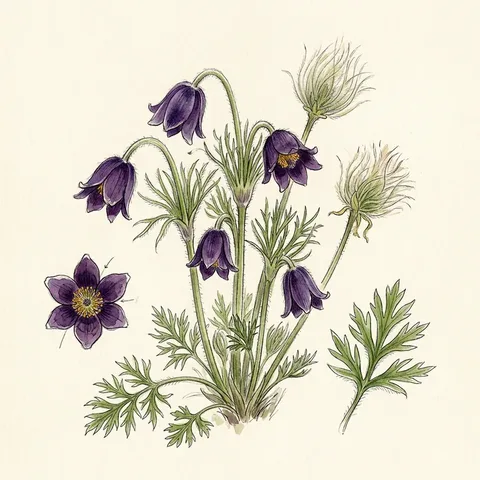
Pulsatilla Pratensis
Wind Flower
- Τι βλέπετε
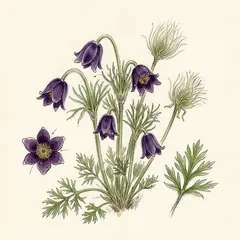
- Deep purple, nodding bell-shaped flowers on hairy stems above feathery leaves, with fluffy silver seed-heads.
- Μέρη που χρησιμοποιούνται
- The whole fresh plant, picked in flower (Clarke and Hering).
- Η ιστορία
- It is called Pasque Flower because “it is in bloom at Easter”, and Clarke adds that its flowers are used for colouring Easter eggs. He calls the Anemone “a medicine of ancient date” whose affinity for the eyes was noted from the first. Stoerck, Hahnemann's forerunner, used it for chronic eye complaints; Teste called Hahnemann's proving “one of the most interesting and most characteristic provings of his materia medica”.
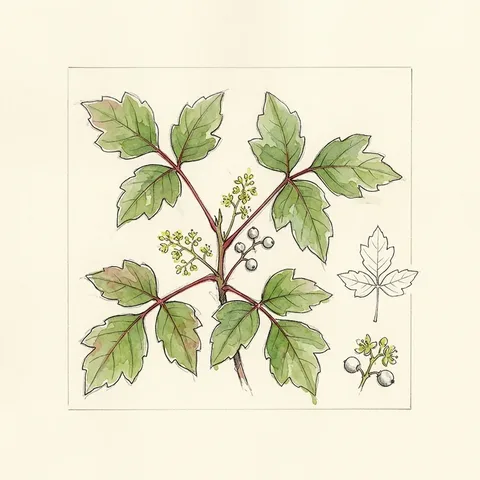
Rhus Toxicodendron
Poison-ivy
- Τι βλέπετε
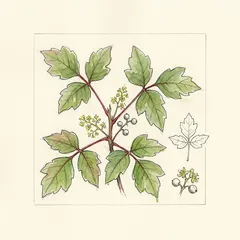
- A branch of three-leaflet leaves on red stalks, with small yellow-green flowers and white berries.
- Μέρη που χρησιμοποιούνται
- The fresh leaves, picked at sunset just before flowering (Clarke).
- Η ιστορία
- Poison Ivy grows in thickets and low ground in North America and was introduced into England as a plant in 1640. In 1798 Dufresnoy of Valenciennes first used it as a medicine, after a young man was cured of a skin eruption of six years' duration by being accidentally poisoned with it. Hahnemann wrote that it and a sister remedy successfully met the typhus that followed the wars from 1813; Clarke adds that of 183 cases Hahnemann treated in Leipzig “not one died”.
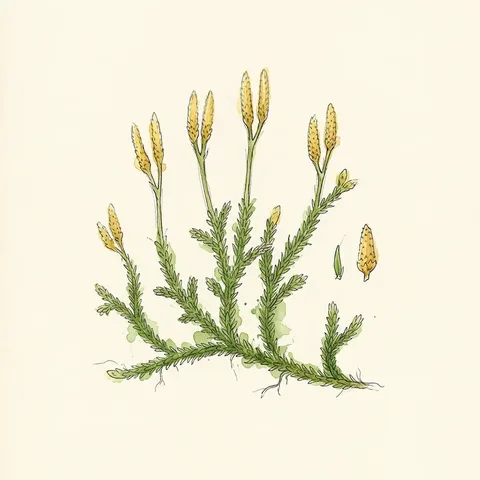
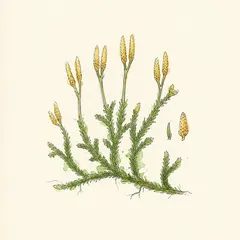
Lycopodium Clavatum
Club Moss
- Τι βλέπετε
- A creeping green stem with upright stalks topped by pale yellow cones, and a single cone and scale drawn beside it.
- Μέρη που χρησιμοποιούνται
- The spores, as a fine powder (Hering: “the medicinal part is the powder”). Clarke lists a trituration and tinctures of the spores.
- Η ιστορία
- A low creeping plant of dry woods, most common in northern countries (Hering). Boericke notes the drug is “inert until the spores are crushed”, and that its “wonderful medicinal properties are only disclosed by trituration and succussion”. Clarke adds that the spores have been called “vegetable sulphur”, probably from their use to produce stage lightning in theatres. Hahnemann introduced it and proved it on himself.
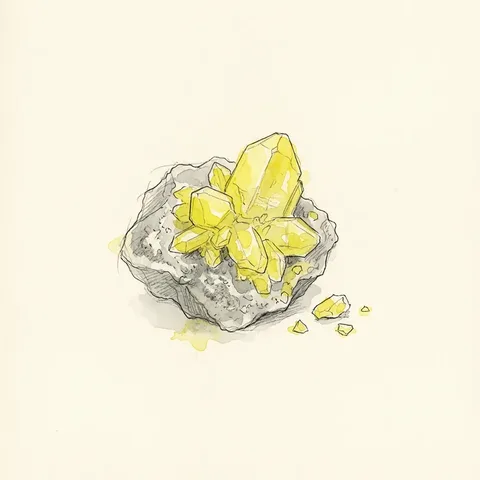
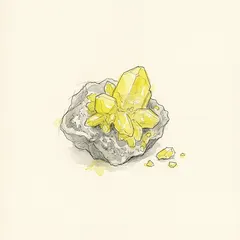
Sulphur
Sublimated Sulphur
- Τι βλέπετε
- Yellow sulphur crystals on a grey rock, with a few loose fragments.
- Μέρη που χρησιμοποιούνται
- Not a plant: the mineral itself. Clarke lists a trituration of “Flowers of Sulphur” and a saturated solution in alcohol as the tincture.
- Η ιστορία
- One of the oldest medicines: Hahnemann, quoted by Clarke, says that “as early as 2,000 years ago” it “had been used as the most powerful specific against the itch”. Applied only to the skin, Clarke adds, it repelled the eruption and “a host of secondary affections appeared in its place”. Hahnemann proved it, and Clarke calls it “the chief of Hahnemann's antipsorics”.
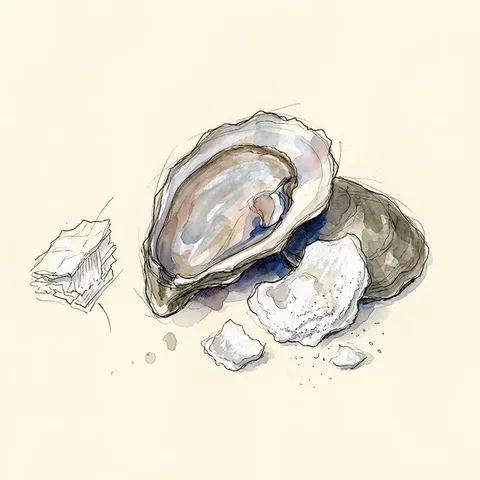
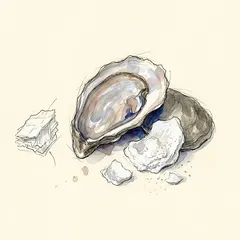
Calcarea Carbonica
Carbonate of Lime
- Τι βλέπετε
- An oyster shell with a pearly inside, and crumbled white lime beside it.
- Μέρη που χρησιμοποιούνται
- Impure calcium carbonate. Clarke notes that Hahnemann proved Calcarea ostrearum, a trituration of the middle layer of oyster shells, and that Koch proved carbonate of lime made from chalk.
- Η ιστορία
- Clarke calls Calcarea “one of the greatest monuments of Hahnemann's genius”: his method of preparing insoluble substances “brought to light in this instance a whole world of therapeutic power formerly unknown”. Boericke calls it “a constitutional remedy par excellence”.
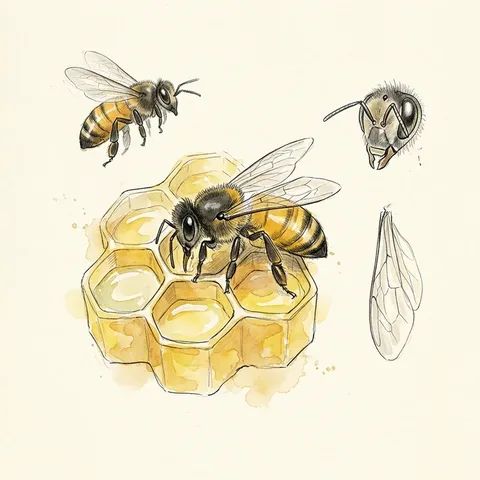
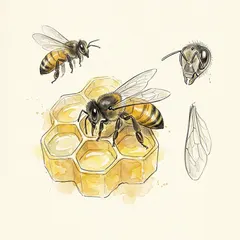
Apis Mellifica
The Honey-Bee
- Τι βλέπετε
- A honeybee on a honeycomb, with a second bee in flight and a bee's head and wing drawn beside.
- Μέρη που χρησιμοποιούνται
- The whole bee or its poison. Clarke says tinctures are made of the whole bee and of dilutions of the poison in alcohol; Hering describes collecting the drop of poison from the sting with forceps, and calls taking the whole bee “foolish”.
- Η ιστορία
- In 1835 the Rev. Brauns, a clergyman in Thuringia, reported cures made with the pure poison of the honey bee, which he called Apisin. Real provings followed in 1852 from the New York Central Homoeopathic Society, and Hering says the collected provings form “the most complete collection of the effects of any animal poison in medical literature”.
Όλα τα 357 εικονογραφημένα φάρμακα
 Abies Nigra
 Aconitum Ferox
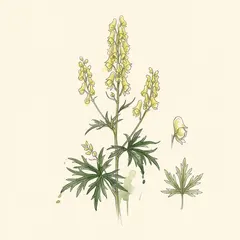 Aconitum Lycoctonum
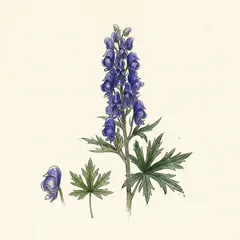 Aconitum Napellus
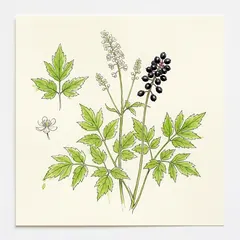 Actea Spicata
 Adelheidsquelle
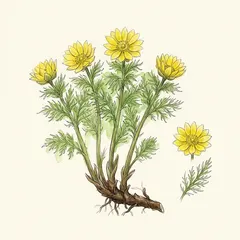 Adonis Vernalis
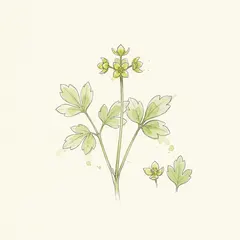 Adoxa
Adoxa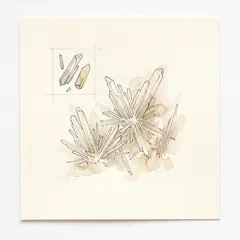 Adrenalinum
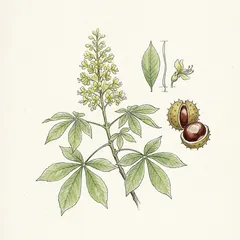 Aesculus Glabra
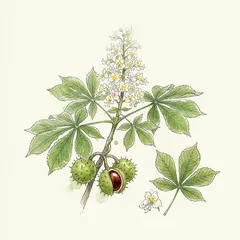 Aesculus Hippocastanum
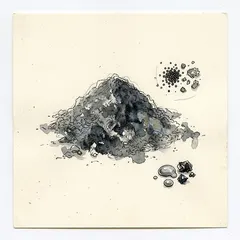 Aethiops Antimonialis
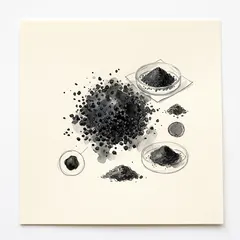 Aethiops Mineralis
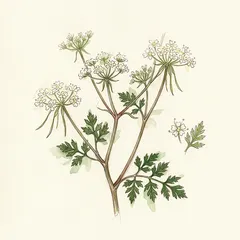 Aethusa Cynapium
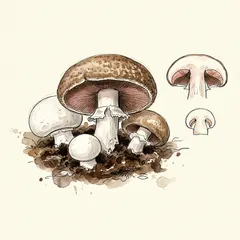 Agaricus
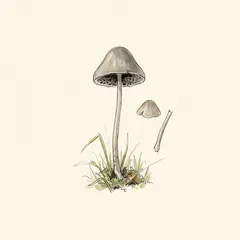 Agaricus Campanulatus
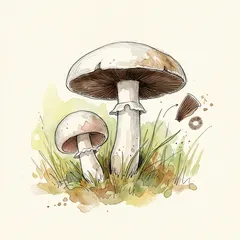 Agaricus Campestris
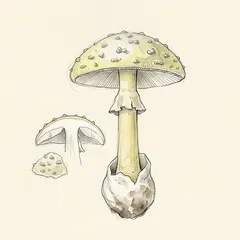 Agaricus Citrinus
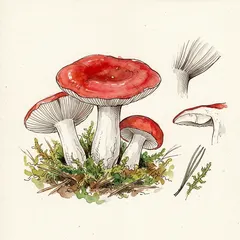 Agaricus Emeticus
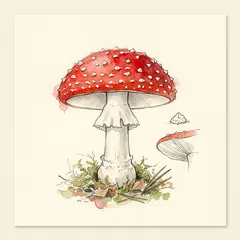 Agaricus Muscarius
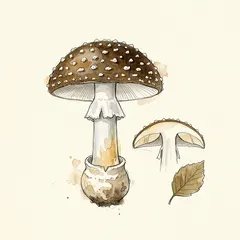 Agaricus Pantherinus
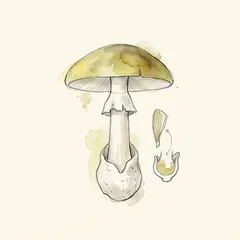 Agaricus Phalloides
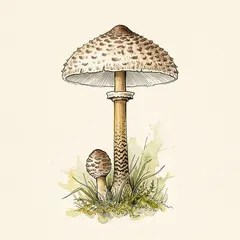 Agaricus Procerus
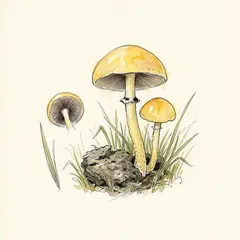 Agaricus Semiglobatus
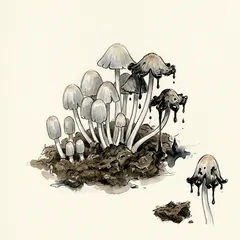 Agaricus Stercorarius
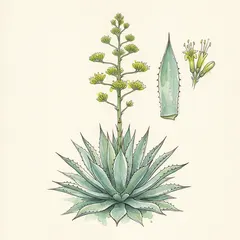 Agave Americana
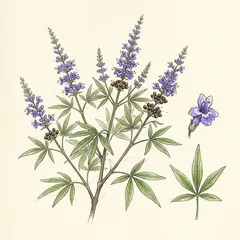 Agnus Castus
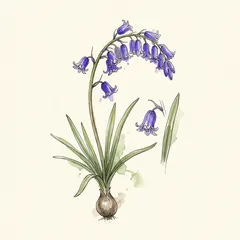 Agraphis Nutans
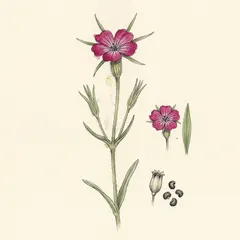 Agrostema Githago
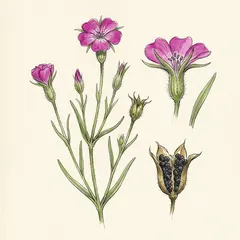 Agrostemma Githago
 Ailanthus Glandulosa
 Alcohol
 Aldehyde
 Aletris Farinosa
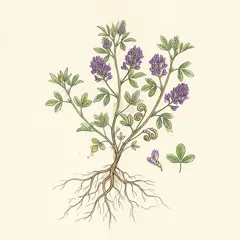 Alfalfa
 Allergy
 Allergy Balance
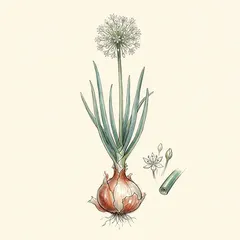 Allium Cepa
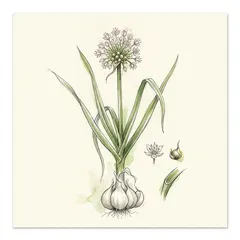 Allium Sativum
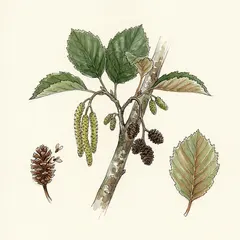 Alnus Rubra
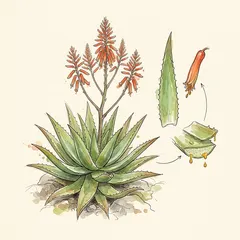 Aloe Socotrina
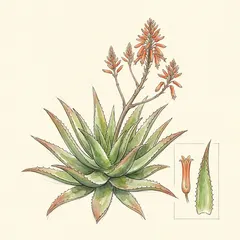 Aloes Socotrina
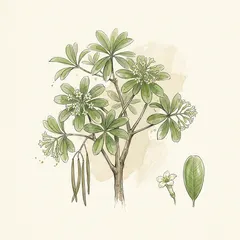 Alstonia
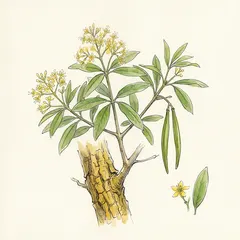 Alstonia Constricta
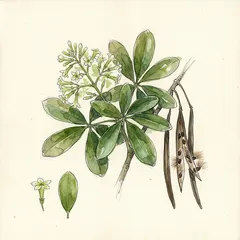 Alstonia Scholaris
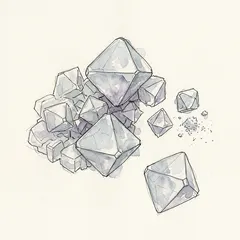 Alumen
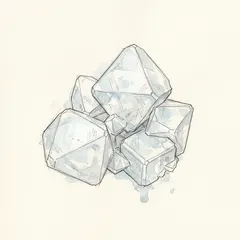 Alumen Alum
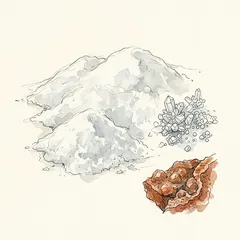 Alumina
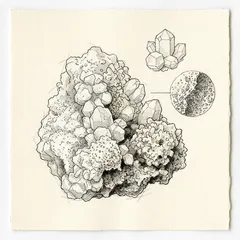 Alumina Or Argilla
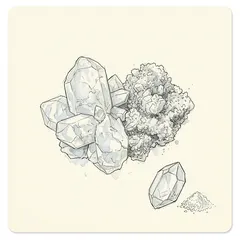 Alumina Phosphorica
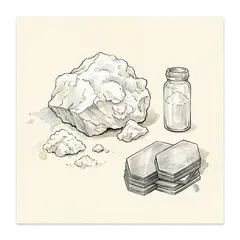 Alumina Silicata
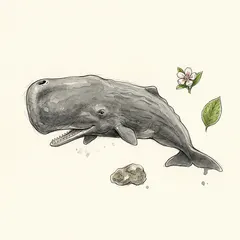 Ambra Grisea
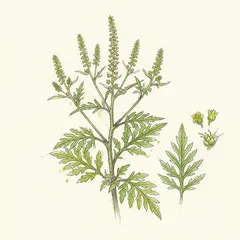 Ambrosia Artemisiaefolia
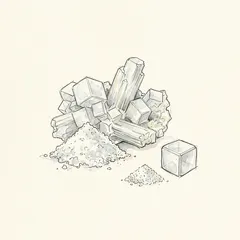 Ammon Mur
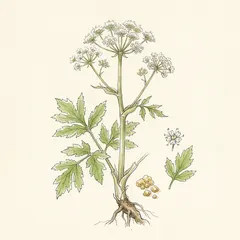 Ammoniacum Gummi
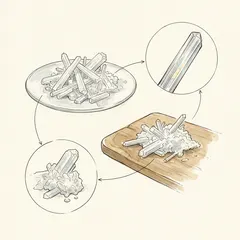 Ammonium Aceticum
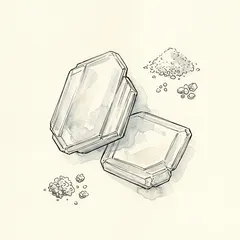 Ammonium Benzoicum
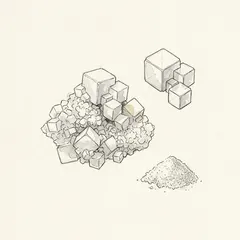 Ammonium Bromatum
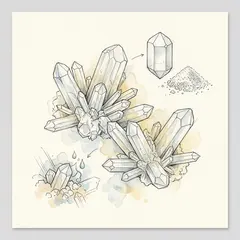 Ammonium Bromidum
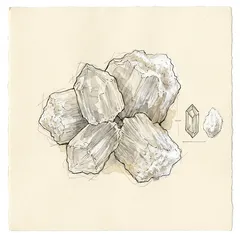 Ammonium Carbonicum
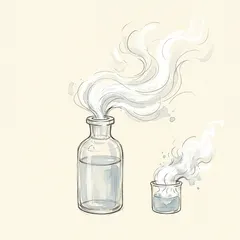 Ammonium Causticum
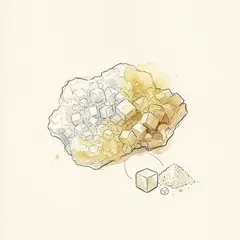 Ammonium Iodatum
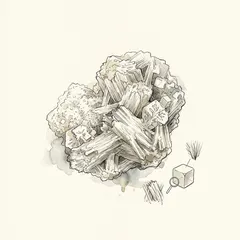 Ammonium Muriaticum
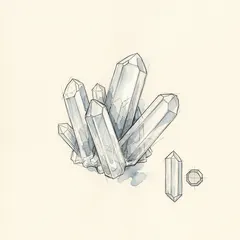 Ammonium Phosphoricum
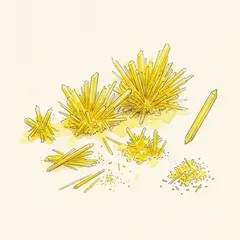 Ammonium Picricum
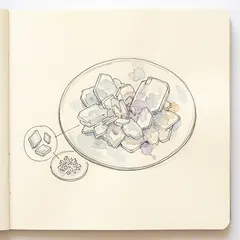 Ammonium Valerianicum
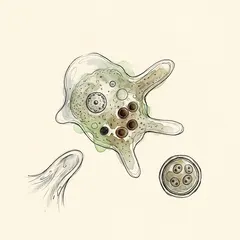 Amoebic Dysentery
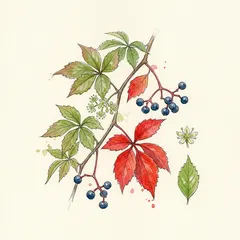 Ampelopsis Quinquefolia
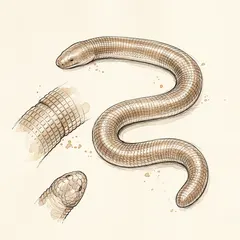 Amphisbaena
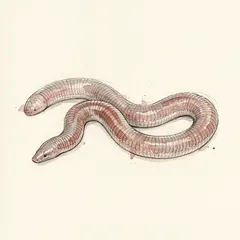 Amphisboena
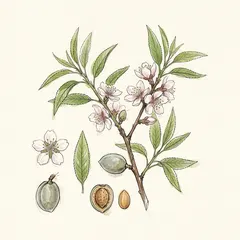 Amygdala Amara
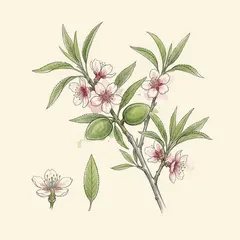 Amygdalae Amarae Aqua
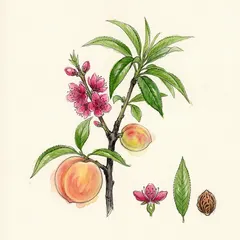 Amygdalus Persica
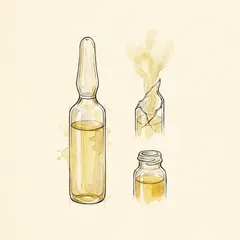 Amyl Nitrosum
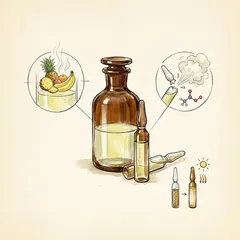 Amylenum Nitrosum
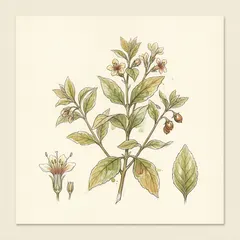 Amylis Nitris
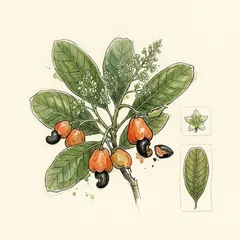 Anacardium
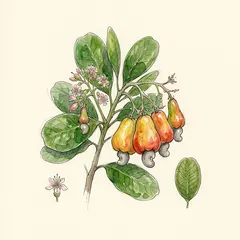 Anacardium Occidentale
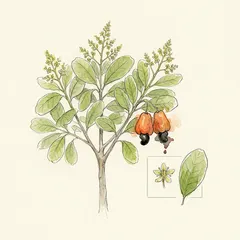 Anacardium Orientale
 Anaemia Balance
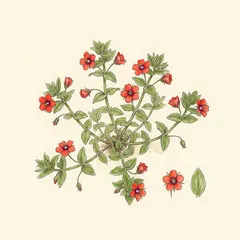 Anagallis Arvensis
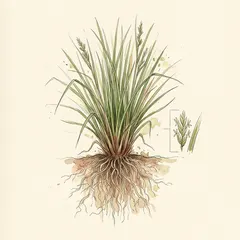 Anantherum Muricatum
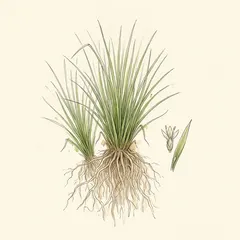 Anatherum
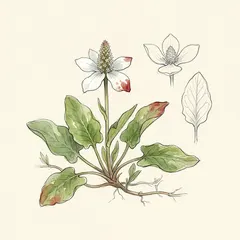 Anemopsis Californica
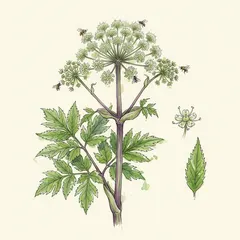 Angelica Atropurpurea
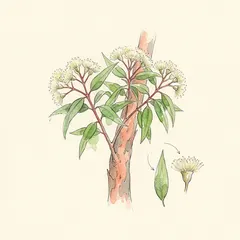 Angophora
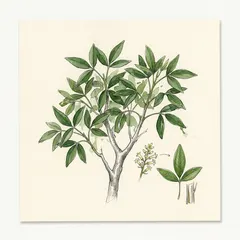 Angustura Vera
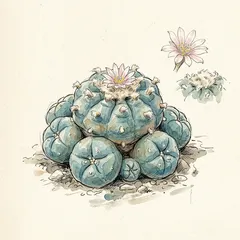 Anhalonium Lewinii
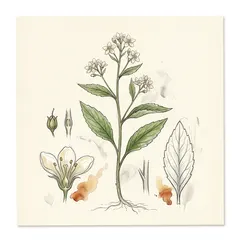 Anilinum
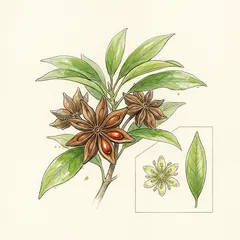 Anisum Stellatum
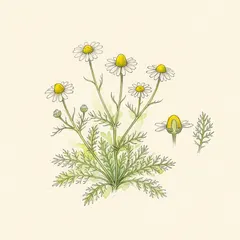 Anthemis Nobilis
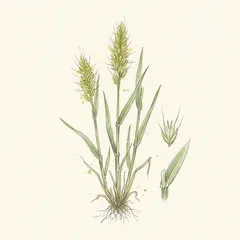 Anthoxanthum
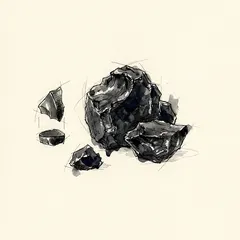 Anthracokali
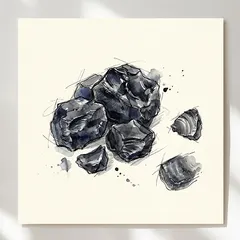 Anthrakokali
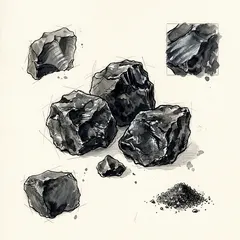 Anthrokokali
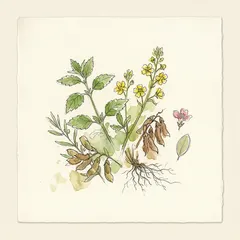 Anti Smoking
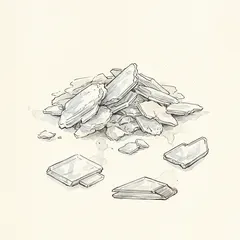 Antifebrinum
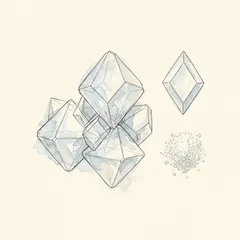 Antimon Et Potass Tart
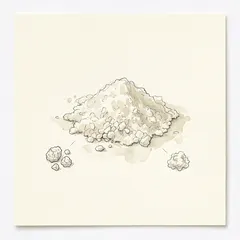 Antimonium Arsenicicum
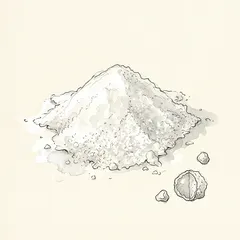 Antimonium Arsenicosum
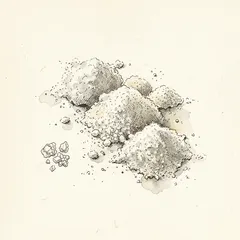 Antimonium Arsenitum
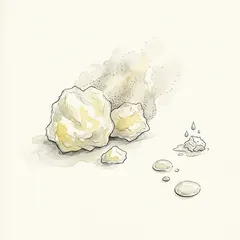 Antimonium Chloratum
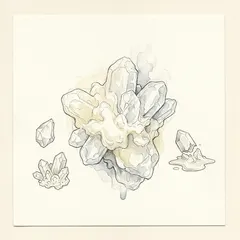 Antimonium Chloridum
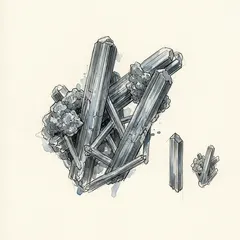 Antimonium Crudum
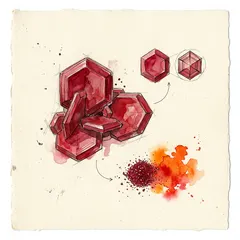 Antimonium Iodatum
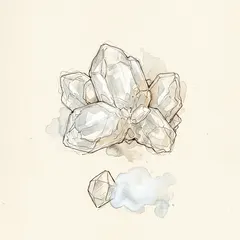 Antimonium Muriaticum
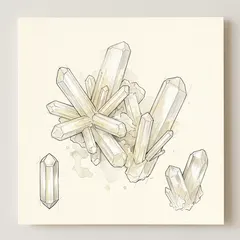 Antimonium Oxigenatum
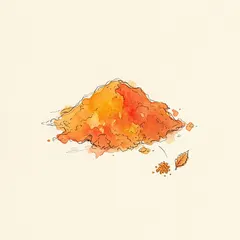 Antimonium Sulphuratum Auratum
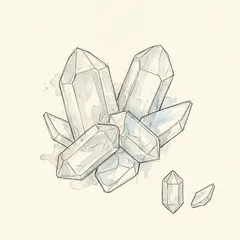 Antimonium Tartaricum
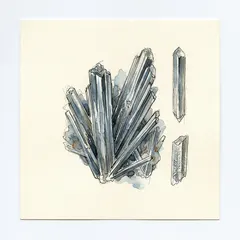 Antimony Crudum
 Antipyrinum
 Aphis Chenopodii Glauci
 Apis Mellifica
 Apium Graveolens
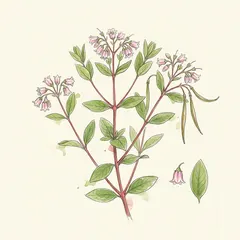 Apocynum Androsaemifolium
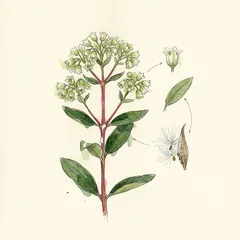 Apocynum Cannabinum
 Apomorphinum
 Aqua Marina
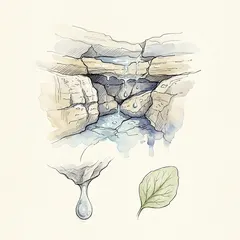 Aqua Petra
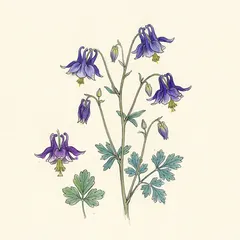 Aquilegia Vulgaris
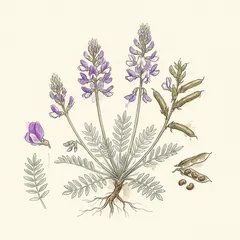 Aragallus Lamberti
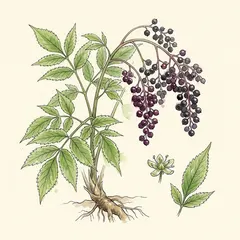 Aralia Racemosa
 Aranea Diadema
 Aranea Scinencia
 Aranearum Tela
 Arbutus Andrachne
 Arctium Lappa
 Areca Catechu
 Argemone Mexicana
 Argentum Cyanatum
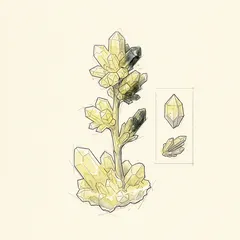 Argentum Iodatum
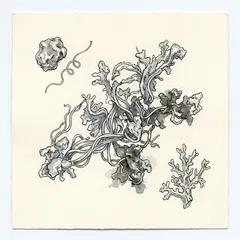 Argentum Metallicum
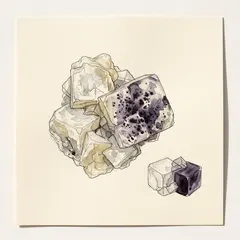 Argentum Muriaticum
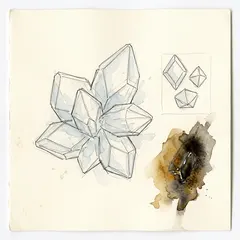 Argentum Nitricum
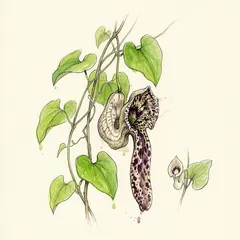 Arist Aristolochia Glandiflora Aristolochia
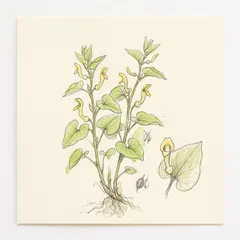 Aristolochia
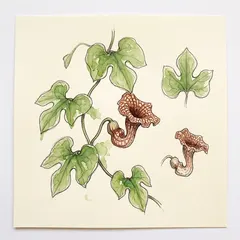 Aristolochia Colombiana
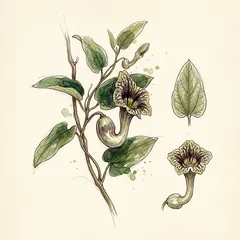 Aristolochia Milhomens
 Aristolochia Serpentaria
 Armoracea Sativa
 Arnica Montana
 Arsenic Album
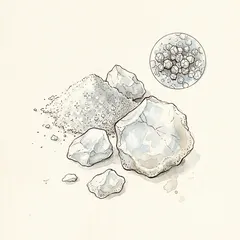 Arsenicum Album
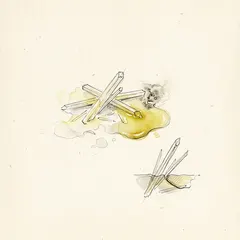 Arsenicum Bromatum
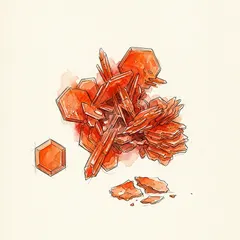 Arsenicum Iodatum
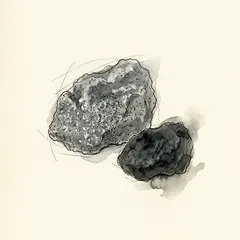 Arsenicum Metallicum
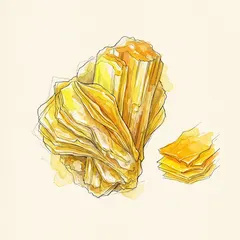 Arsenicum Sulfuratum Flavum
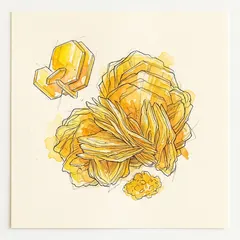 Arsenicum Sulphuratum Flavum
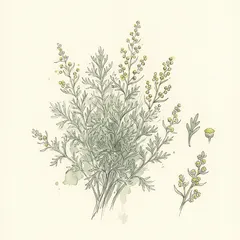 Artemisia Abrotanum
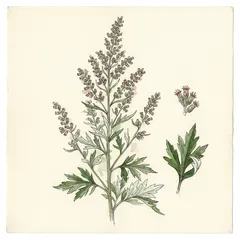 Artemisia Vulgaris
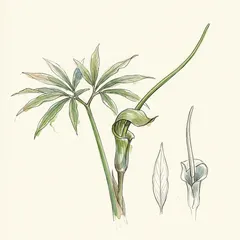 Arum Dracontium
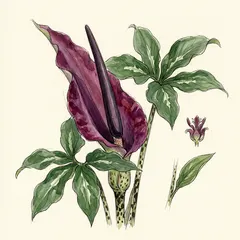 Arum Dracunculus
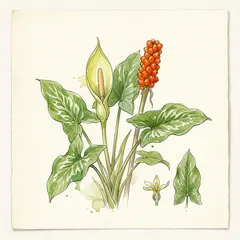 Arum Italicum
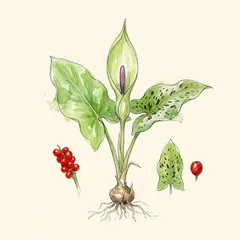 Arum Maculatum
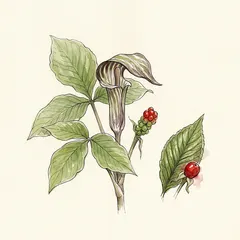 Arum Triphyllum
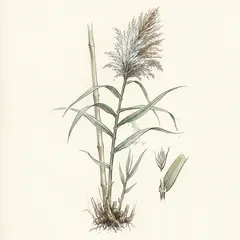 Arundo Mauritanica
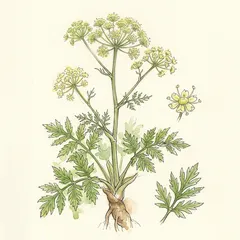 Asa Foetida
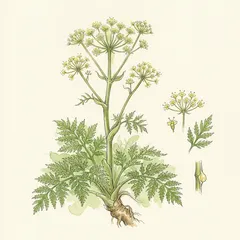 Asaf Etida
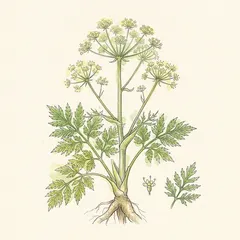 Asafoetida
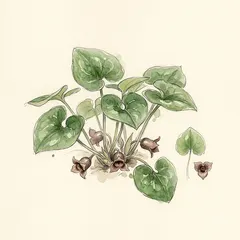 Asarum
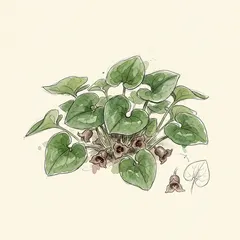 Asarum Europaeum
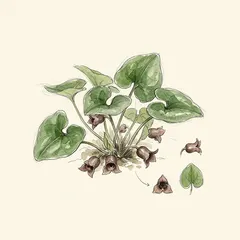 Asarum Europoeum
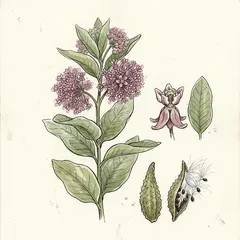 Asclepias Cornuti
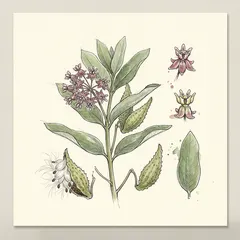 Asclepias Syriaca
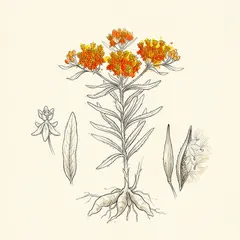 Asclepias Tuberosa
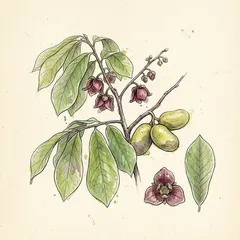 Asimina Triloba
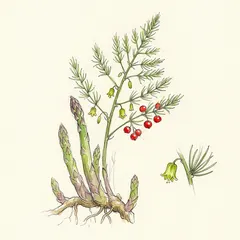 Asparagus Officinalis
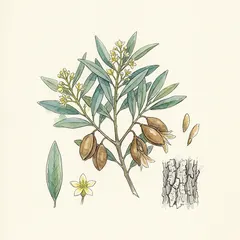 Aspidospermine
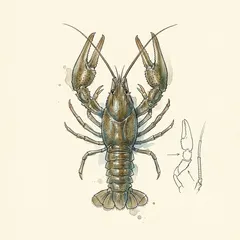 Astacus Fluviatilis
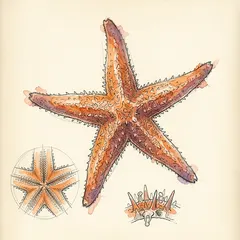 Asterias Rubens
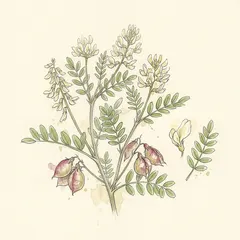 Astragalus Menziesii
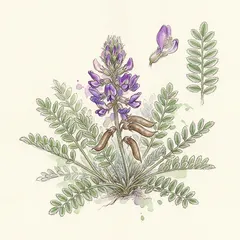 Astragalus Mollissimus
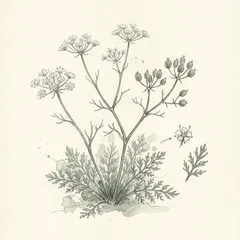 Athamanta
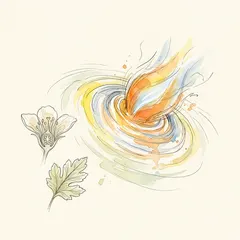 Atomic Radiation
 Atropinum
 Atropinum Sulphuricum
 Aurantium
 Aurum
Aurum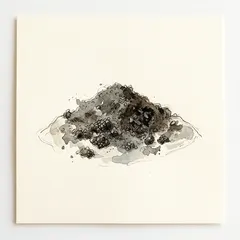 Aurum Arsenicicum
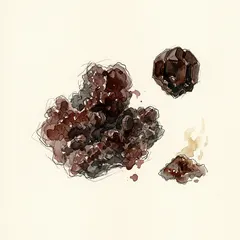 Aurum Bromatum
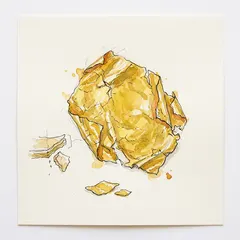 Aurum Foliatum
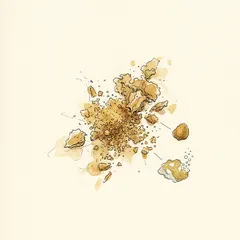 Aurum Fulminans
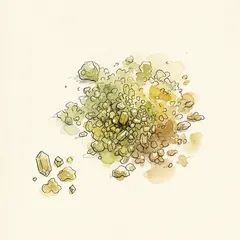 Aurum Iodatum
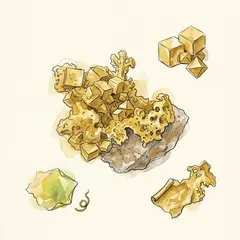 Aurum Metallicum
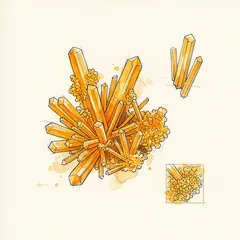 Aurum Muriaticum Natronatum
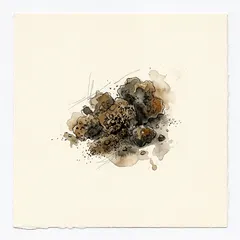 Aurum Sulfuratum
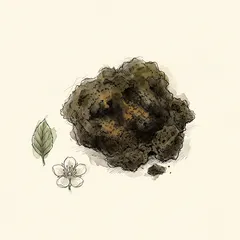 Aurum Sulphuratum
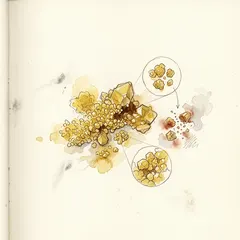 Aurum Sulphuricum
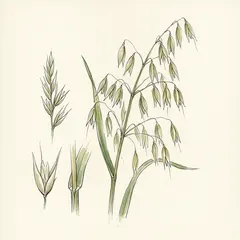 Avena Sativa
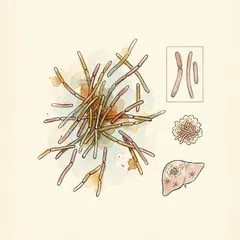 Aviaire
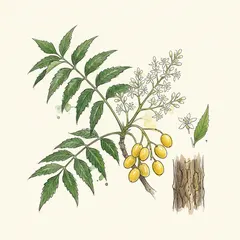 Azadirachta Indica
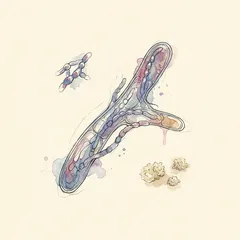 Bacillinum
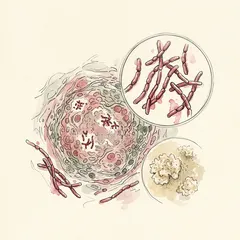 Bacillinum Burnett
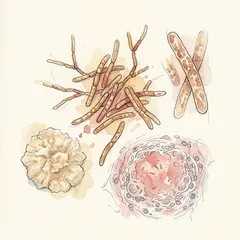 Bacillinum Testium
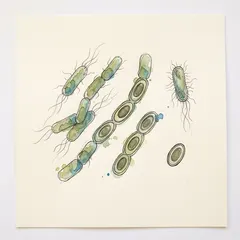 Bacillus Seven
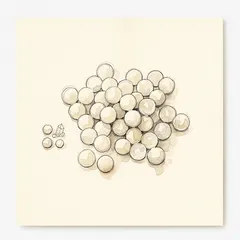 Back Pain
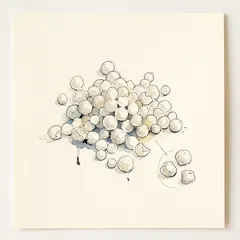 Back Up
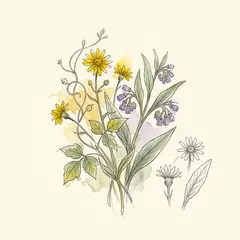 Bad Temper
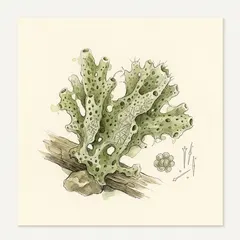 Badiaga
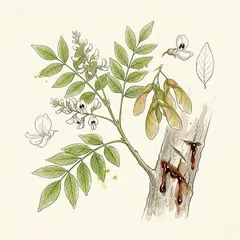 Balsamum Peruvianum
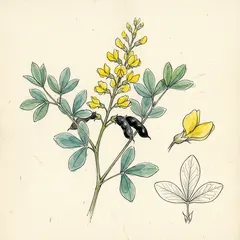 Baptisia
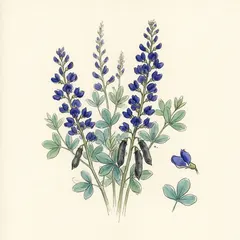 Baptisia Confusa Acetica
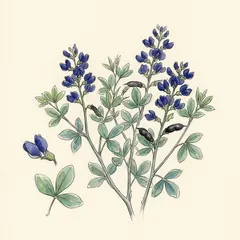 Baptisia Tinctoria
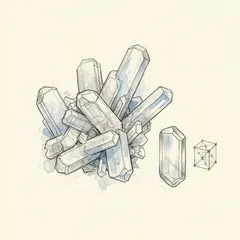 Barium Sulphuricum
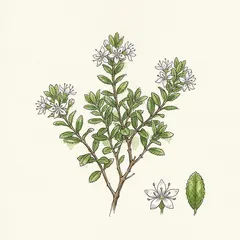 Barosma Crenulatum
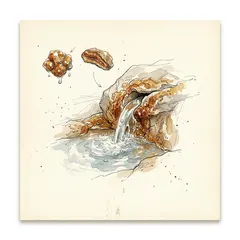 Bartfelder
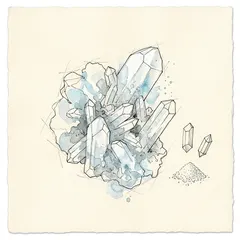 Baryta Acetica
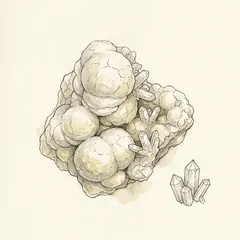 Baryta Carbonica
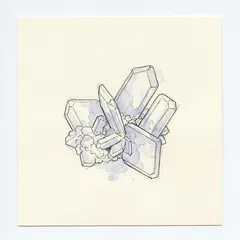 Baryta Iodata
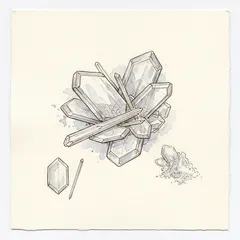 Baryta Muriatica
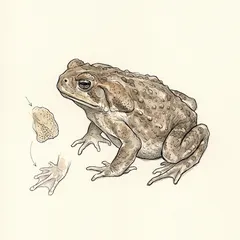 Bdfo Bufo Agua Toad
 Bedwetting
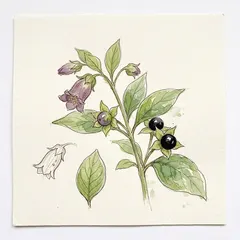 Belladonna
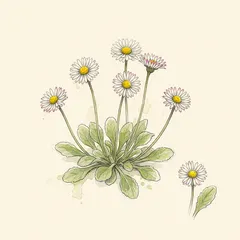 Bellis Perennis
 Benzinum
 Benzinum Dinitricum
 Benzinum Nitricum
 Benzoi Cum Acidum
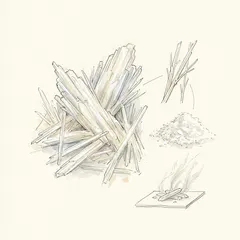 Benzoic Acid
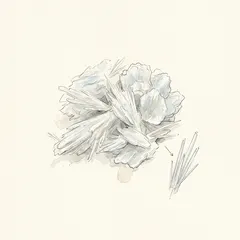 Benzoicum Acidum
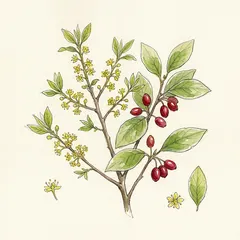 Benzoin
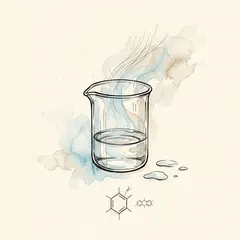 Benzolum
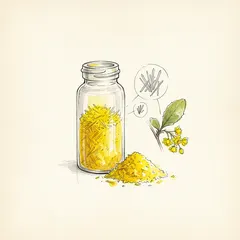 Berberinum
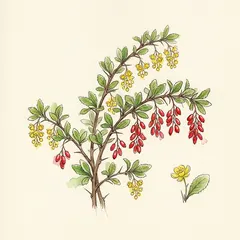 Berberis
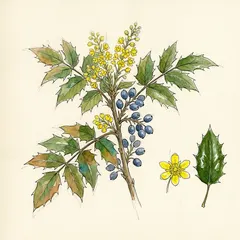 Berberis Aquifolium
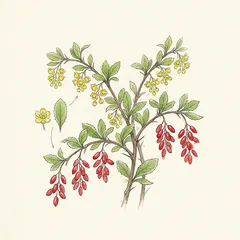 Berberis Vulgaris
 Beta Vulgaris
 Bilharzia
 Bismuthum
 Bismuthum Oxidum
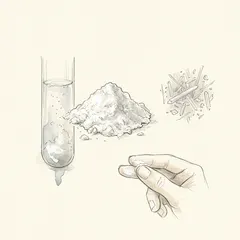 Bismuthum Subnitricum
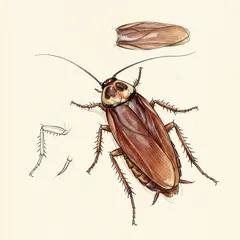 Blatta Americana
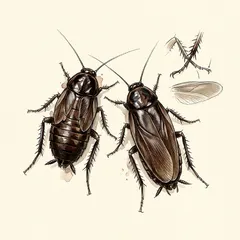 Blatta Orientalis
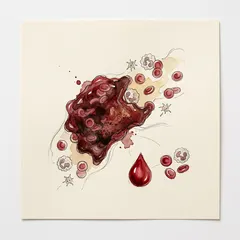 Blood
Blood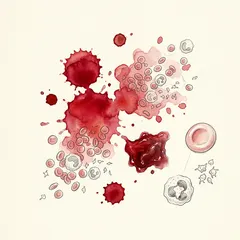 Blood Pressure
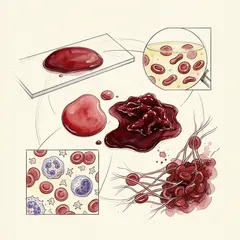 Blood Sugar Balance
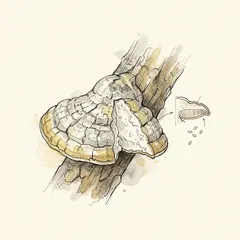 Boletus Laricis
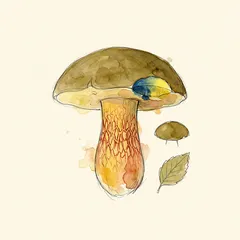 Boletus Luridus
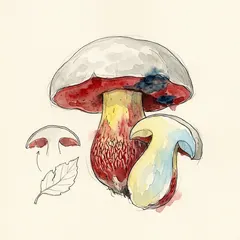 Boletus Satanas
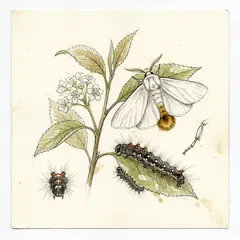 Bombyx Chrysorrhoea
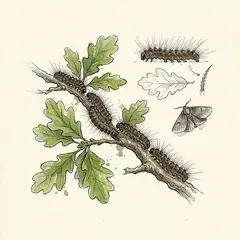 Bombyx Processionea
 Bondonneau
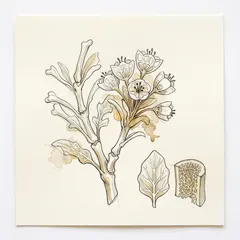 Bone Irregularities
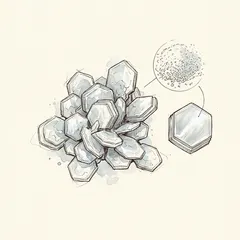 Boracicum Acidum
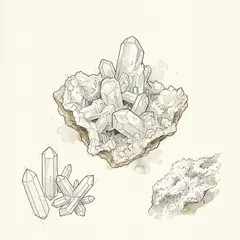 Borax Veneta
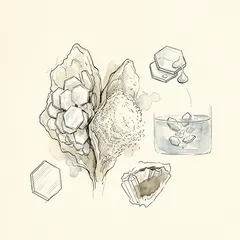 Boricum Acidum
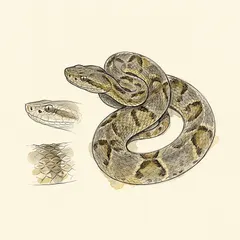 Bothrops Lanceolatus
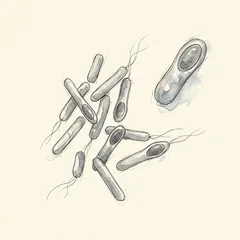 Botulinum
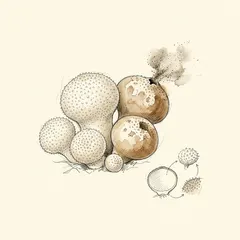 Bovista Lycoperdon
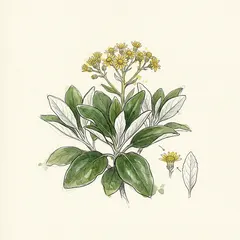 Brachyglottis Repens
 Brain Paralysis
 Brain Tissue Salts
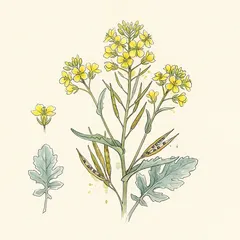 Brassica Napus
 Bromine
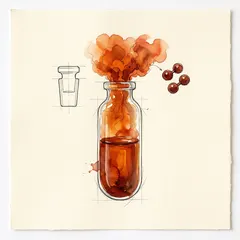 Bromium
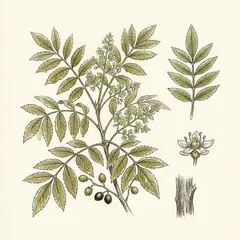 Brucea Antidysenterica
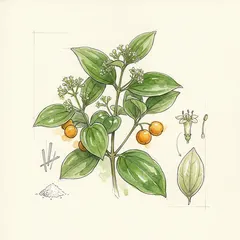 Brucinum
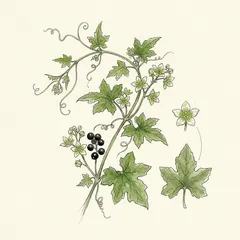 Bryonia Alba
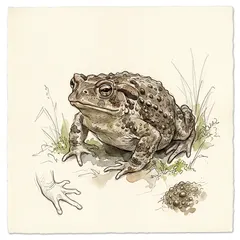 Bufo Rana
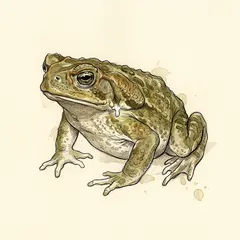 Bufo Sahytiensis
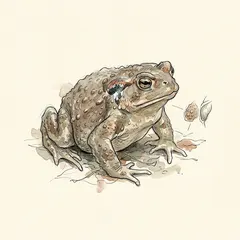 Bufones
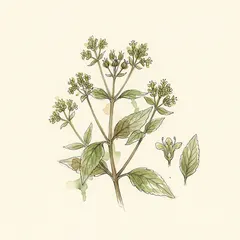 Butyric Acidum
 Butyricum Acidum
 Buxus
Buxus Cacao
Cacao Cactus Grandiflorus
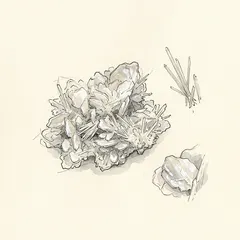 Cadmium Bromatum
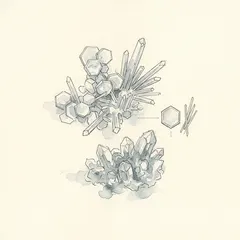 Cadmium Muriaticum
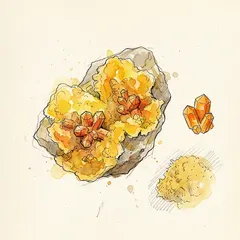 Cadmium Sulfuratum
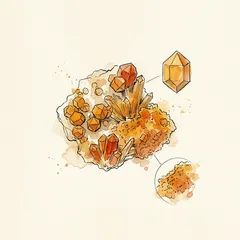 Cadmium Sulphuratum
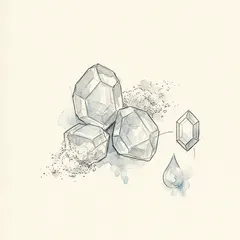 Cadmium Sulphuricum
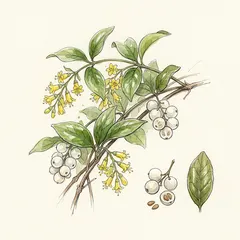 Cainca
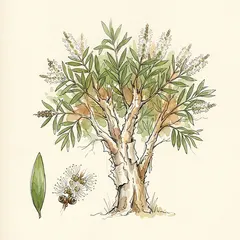 Cajuputum
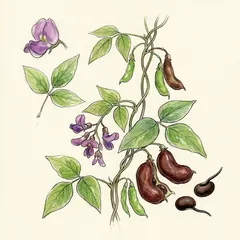 Calabar
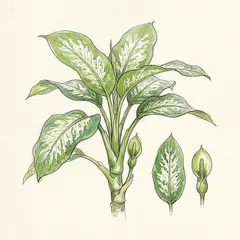 Caladium Seguinum
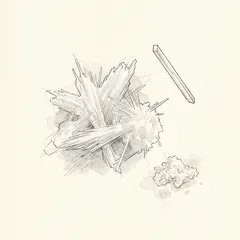 Calcarea Acetica
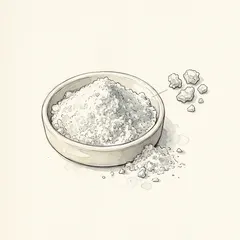 Calcarea Arsenica
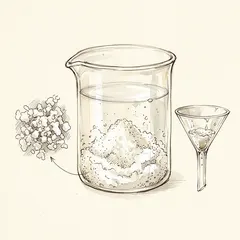 Calcarea Arsenicosa
 Calcarea Bromata
 Calcarea Calcinata
 Calcarea Carbonica
 Calcarea Caustica
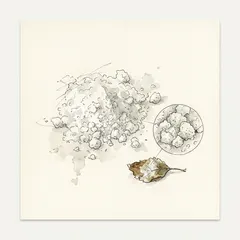 Calcarea Chlorata
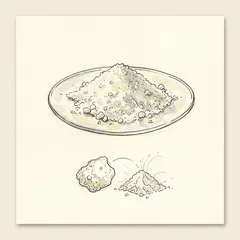 Calcarea Chlorinata
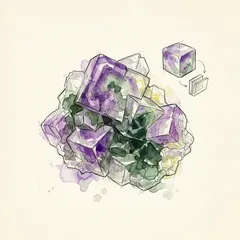 Calcarea Fluorata
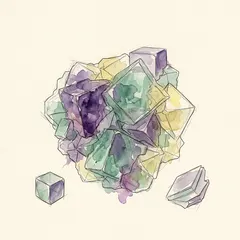 Calcarea Fluorica
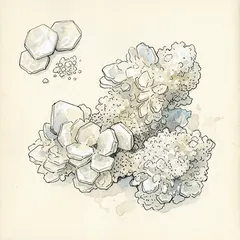 Calcarea Hypophosphorica
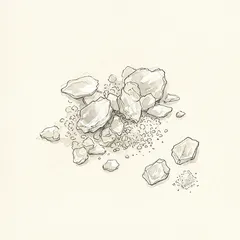 Calcarea Hypophosphorosa
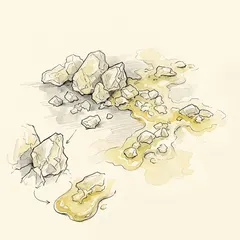 Calcarea Iodata
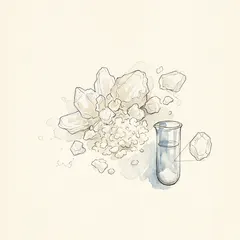 Calcarea Lactica Natronata
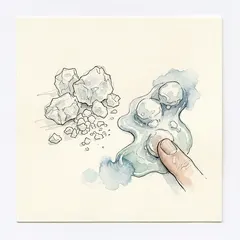 Calcarea Muriatica
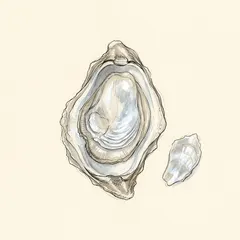 Calcarea Ostrearum
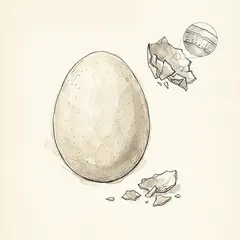 Calcarea Ovi Testae
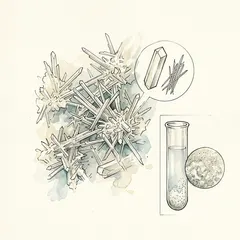 Calcarea Oxalica
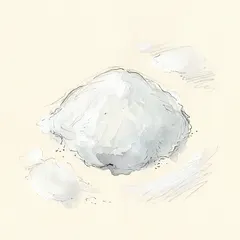 Calcarea Phosphorica
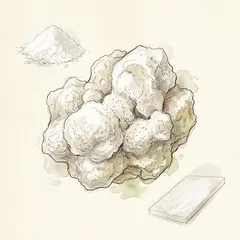 Calcarea Phosphoricum
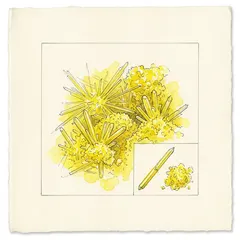 Calcarea Picrica
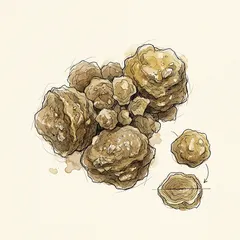 Calcarea Renalis
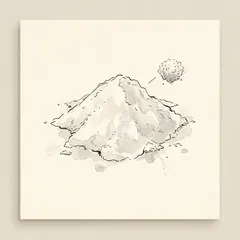 Calcarea Silicata
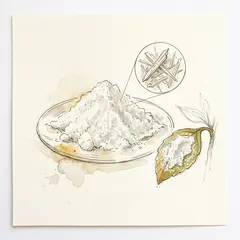 Calcarea Silicica
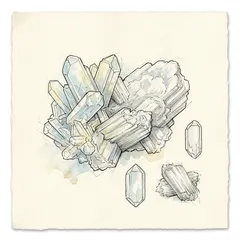 Calcarea Sulfurica
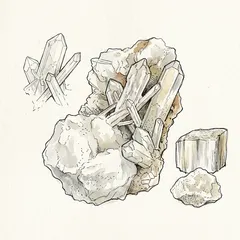 Calcarea Sulphurica
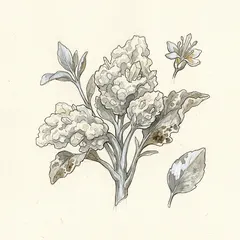 Calcium
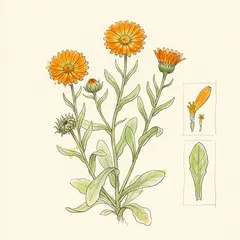 Calendula Officinalis
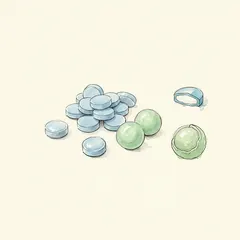 Calming Pills
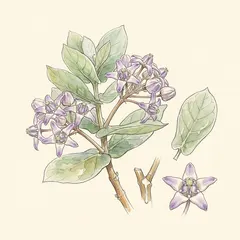 Calotropis Gigantea
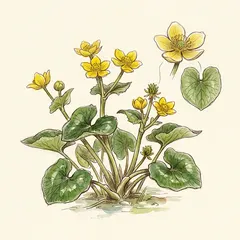 Caltha Palustris
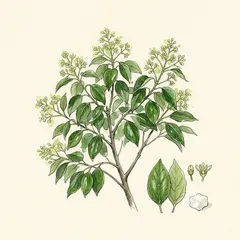 Camphora
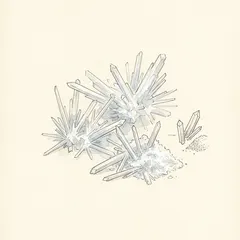 Camphora Bromata
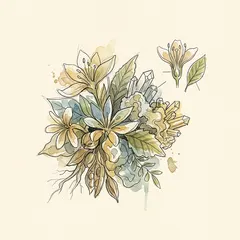 Cancer Special
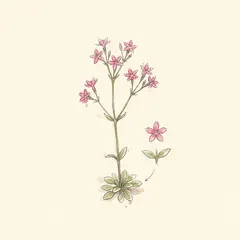 Canchalagua
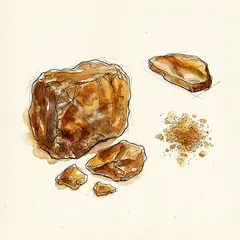 Cann Ind Haschich Pango
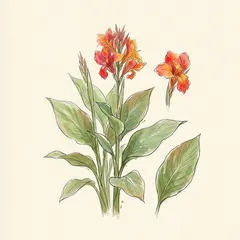 Canna
Canna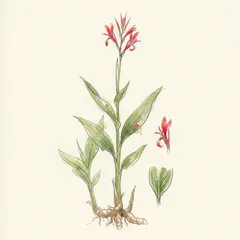 Canna Angustifolia
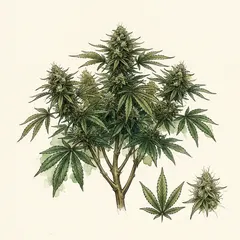 Cannabis Indica
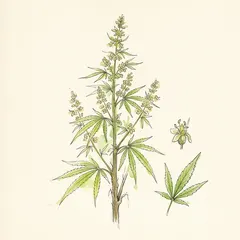 Cannabis Sativa
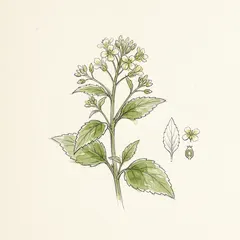 Cantharides
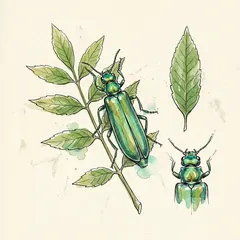 Cantharis Vesicatoria
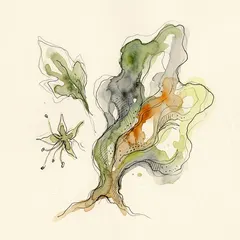 Capsicum
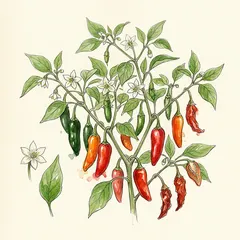 Capsicum Annuum
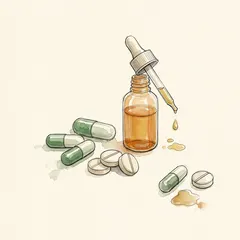 Capsicum Sos
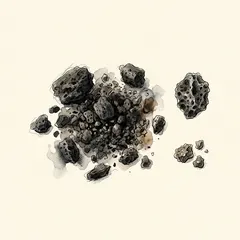 Carbo Animalis
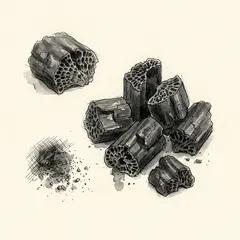 Carbo Vegetabilis
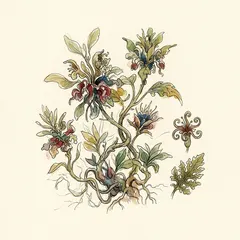 Carbolic Acid
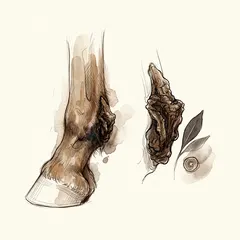 Castor Equi
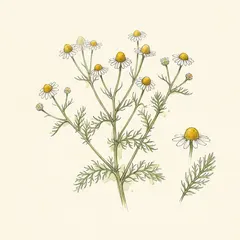 Chamomilla
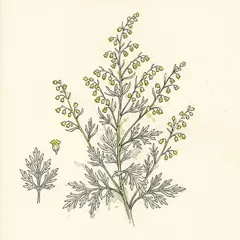 Cina Maritima
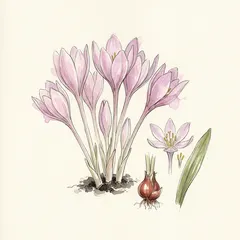 Colchicum Autumnale
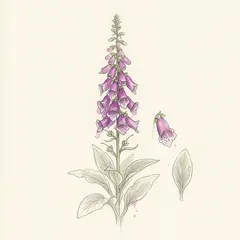 Digitalis Purpurea
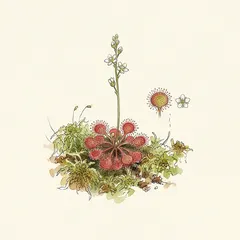 Drosera Rotundifolia
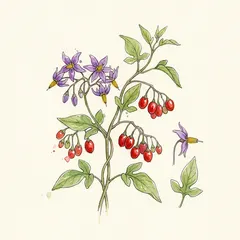 Dulcamara
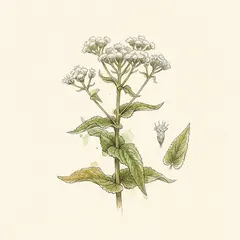 Eupatorium Perfoliatum
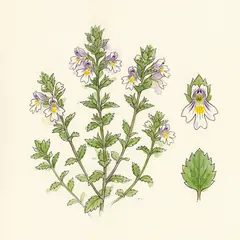 Euphrasia Officinalis
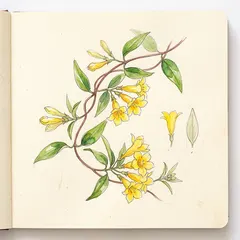 Gelsemium Sempervirens
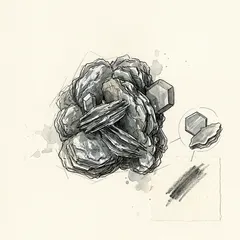 Graphites
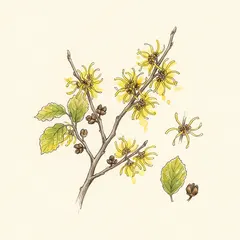 Hamamelis Virginiana
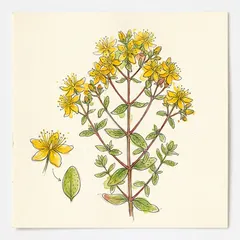 Hypericum Perforatum
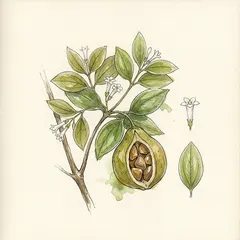 Ignatia Amara
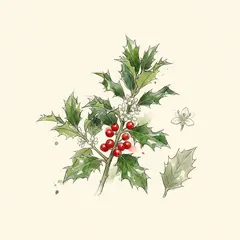 Ilex Aquifolium
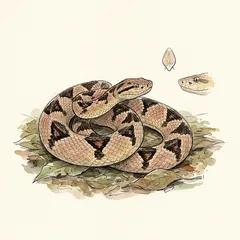 Lachesis
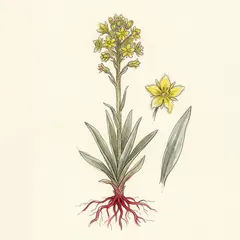 Lachnanthes Tinctoria
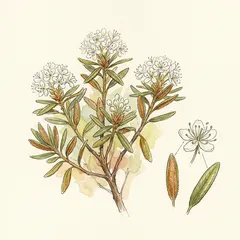 Ledum Palustre
 Lycopodium Clavatum
 Medorrhinum
 Natrum Muriaticum
 Nux Vomica
 Phosphorus
 Pulsatilla Pratensis
 Rhus Toxicodendron
 Ruta Graveolens
 Sarsaparilla Officinalis
 Sepia Officinalis
 Silicea Terra
 Staphisagria
 Sulphur
 Theridion Curassavicum
 Thuja Occidentalis